1. Identify what can actually be released
For a switchgear sale in Licking County, begin with the proposed release boundary, not the nearest cabinet. Existing records identify Newark as the county seat, but the actual pickup site may be elsewhere in the county. Ask first whether the lineup is surplus or still serves an occupied area. In this route’s assumed renovation, a lineup may sit beside equipment that must remain in service for offices, production, life-safety systems or another tenant. Treat that retained equipment as excluded unless the owner’s records and authorized decision-maker establish otherwise.
This buyer considers all voltage classes. The seller decision sequence is: identify the lot, reconcile completeness, describe condition, review value and logistics, then approve a safe release. A precise boundary makes each later step more reliable.
2. Capture identification without guessing
Start with existing drawings, schedules, inventory sheets and exterior nameplate information. Record the manufacturer, section or lineup designation, documented voltage, current, bus information and visible dates or serial references. List main sections and feeder sections separately. An assembly rating is not automatically the rating of every individual device; a main device, feeder breaker and assembly may carry different documented ratings.
- Record each section label and its position, including main, tie and feeder positions where documented.
- List visible breaker or device labels and manufacturer markings without inferring missing data.
- Count installed removable breakers separately from stored breakers or spares, and preserve any documented association.
- Mark voltage, current, interrupting information or ownership as unknown when records do not establish it.
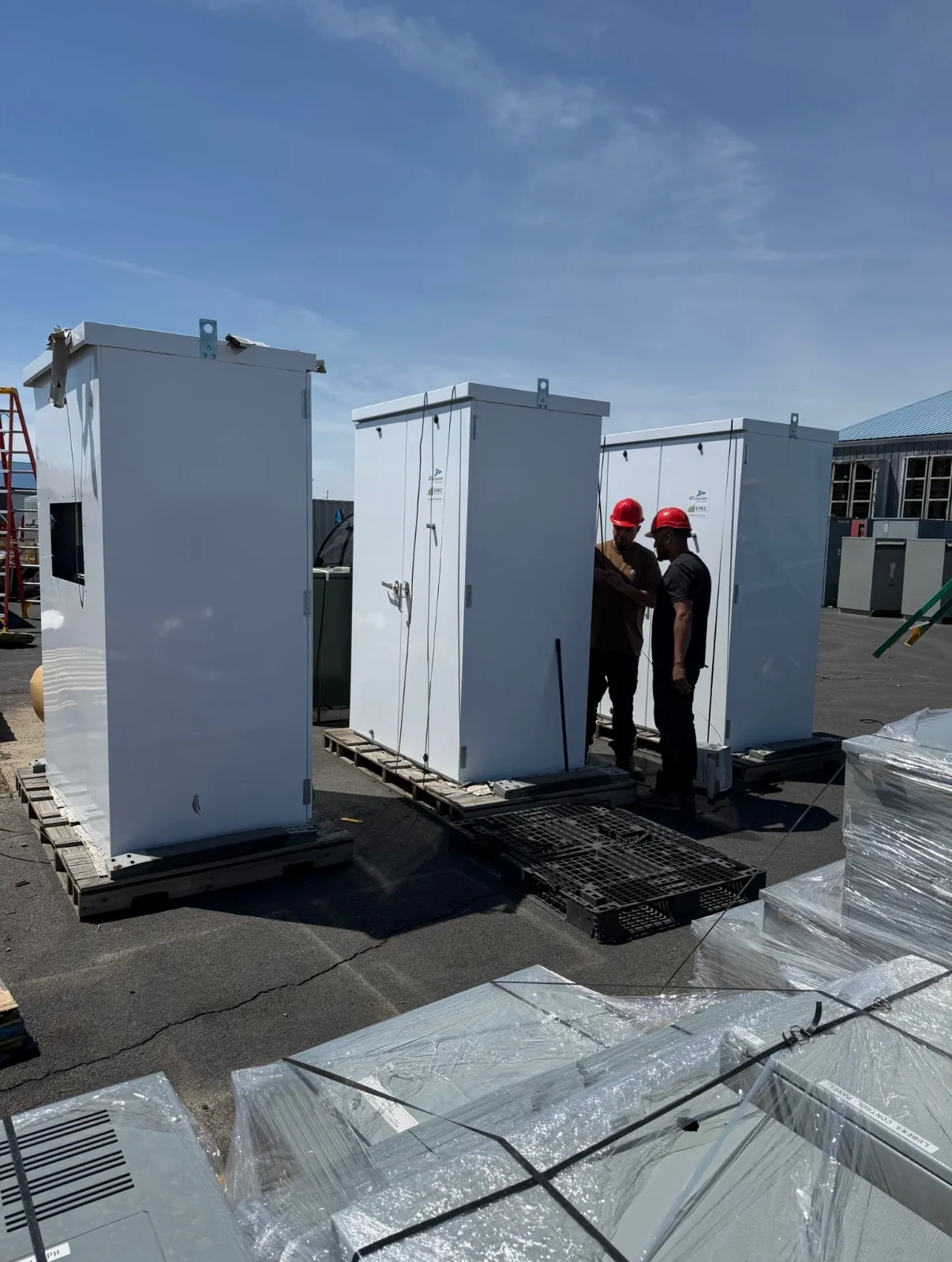
Safe exterior photos may show labels, doors, covers and overall arrangement. They must be taken from a safe position and must not require opening a compartment or operating a device. No seller testing is required. A qualified, authorized team must establish safe conditions and handle disconnection.
3. Reconcile the lot and retained equipment
Switchgear value is not simply cabinet count. Connect each main or feeder section to the devices and loose components that belong with it. Include doors, covers, barriers, shutters, hardware and documentation when known to be present. Separately stored breakers can be useful, but a loose device should not be assigned to a section merely because it looks similar.
For the hypothetical renovation, create two lists: proposed sale lot and retained service equipment. Add a note for unresolved items and identify any staged release dates. This prevents an entire electrical room from being pooled into one count and protects circuits that an occupied area still needs.
4. Describe condition and documentation
Report observable condition without opening, cleaning, dismantling or testing anything. Note exterior corrosion, dents, paint loss, moisture evidence, impact damage, missing covers, unreadable labels and storage exposure. For loose breakers, describe whether they are boxed, palletized or exposed and whether packaging appears intact. If internal condition is unknown, say so; appearance alone does not prove operability or suitability.
Available one-lines, section schedules, purchase or maintenance records, prior removal notes and existing photographs can clarify identity and condition. Do not invent a manufacturer model, local project history or compatibility conclusion. An incomplete or untested lot can still be evaluated, but uncertainty should be visible in the offer discussion.
5. Review value before agreement
Valuation may consider voltage class, documented ratings, manufacturer, section count, device mix, completeness, storage, condition and demand for the configuration. A matching group of main and feeder sections may be more useful than assorted cabinets. Separately stored spares can add value when their labels support a credible match. Missing barriers, covers, breakers or records may reduce value, as can an unclear boundary with retained equipment.
Confirm that the seller controls the equipment and can authorize release where a landlord, tenant, utility or other asset owner may be involved. After reviewing the lot and release conditions, the buyer can make a cash offer; once the seller accepts and the sale is agreed, payment is made upfront before the agreed pickup. The seller does not need to test the gear.
6. Coordinate access, removal and freight
Describe the actual site rather than assuming the county seat is the pickup point. Identify the facility contact, approval process, occupied-area restrictions, loading hours, doors, corridors and any proposed staging. These details coordinate access without transferring removal costs to the seller.
The buyer handles the crane, qualified disconnects, rigging, loading, freight and hauling. The seller provides accurate records, ownership and release authority, coordinates site approvals and communicates access restrictions. Do not open, operate, dismantle, touch energized equipment or test it. A qualified, authorized team establishes safe conditions before any disconnect or movement.
7. Hypothetical inventory and seller questions
Hypothetical example: owner records show one lineup with a main section, feeder sections, installed removable breakers and two separately stored breakers. One adjacent section remains retained for an occupied area. List the lineup designation, each proposed section, device labels, spare labels, visible covers and known missing items. List the retained section separately, and keep the release date proposed until the authorized site contact confirms it.
- Which sections and devices are included, and which must remain in service?
- Which records establish voltage, current, manufacturer and device association?
- Are covers, barriers, breakers, keys or schedules missing?
- What approvals, access windows and loading restrictions apply at the actual site?
8. Release from a clear record
Before release, document the agreed equipment list, excluded retained equipment, known condition, unresolved facts, authorized contact, access coordination and payment terms. Preserve unknowns as unknown rather than filling gaps with assumptions. This disciplined handoff helps the Licking County seller present a credible switchgear lot while protecting occupied-area service and leaving physical work with the qualified team responsible for it.