How should a phased power-plant release be defined?
What is actually being offered when a power plant closes in stages? The useful answer is a documented release package, not an assumption that every electrical item on the property is available. In this hypothetical Ohio shutdown, Building A might release a medium-voltage lineup after isolation, while Building B retains station service equipment until a later milestone. A turbine hall, control room, or auxiliary building could have its own ownership boundary, outage dependency, and access approval. The facility and closure are hypothetical; no particular Ohio plant, project, or completed local transaction is being claimed.
Can assets be listed before every approval is complete? Yes, if the status is stated precisely. Identify equipment available for evaluation, equipment pending owner, utility, lender, tenant, or environmental approval, and equipment that must remain in service. A staged schedule may use records review, authorized isolation, release confirmation, qualified disconnect, rigging, and load-out as milestones. Dates remain proposed unless confirmed by the owner.
What belongs in a practical inventory?
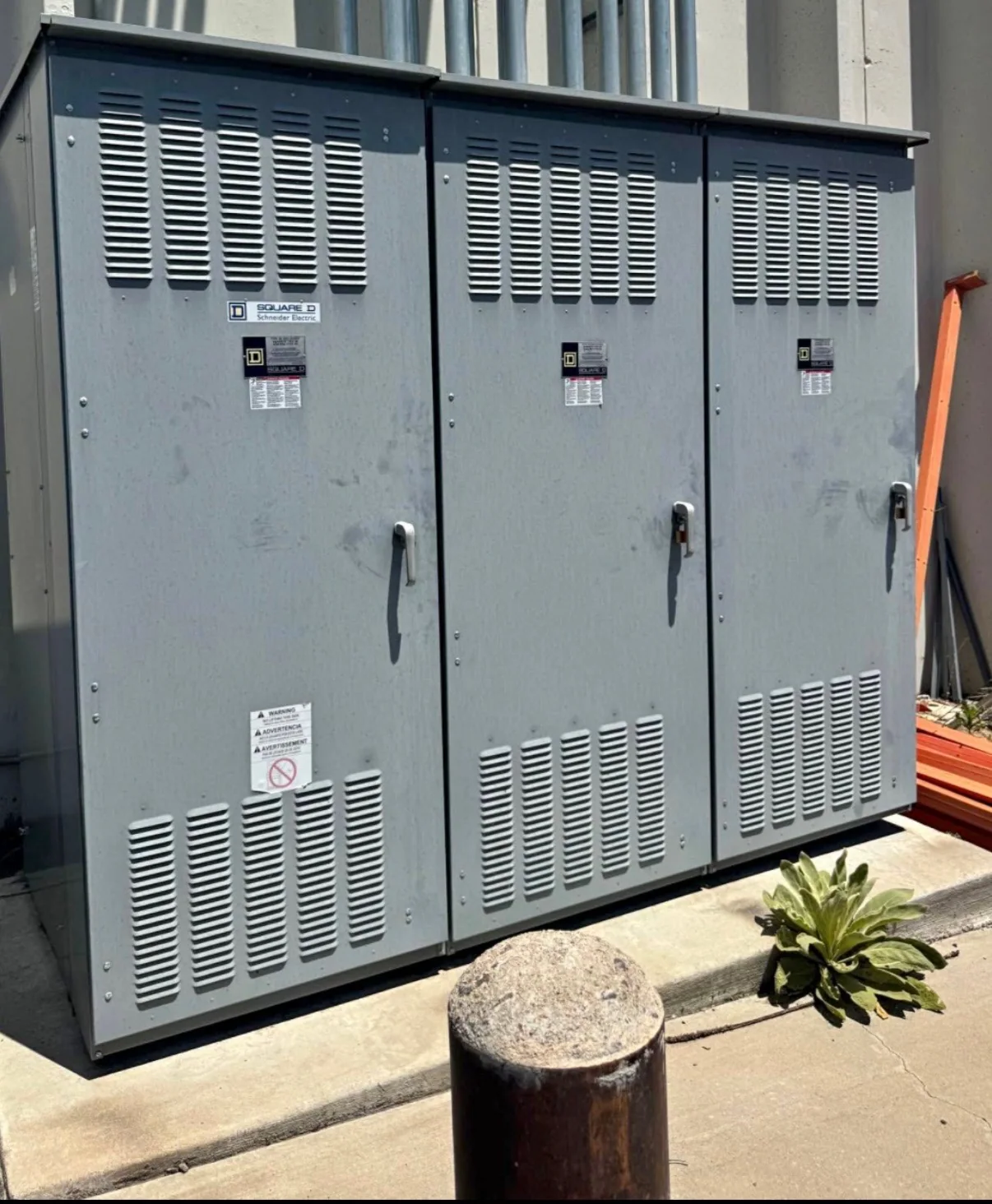
Start with the equipment group and physical location, then connect each item to its nameplate and records. A clearly hypothetical example could contain four metal-clad switchgear sections in an electrical building, two documented feeder breakers on labeled pallets, a transformer with an uncertain ownership boundary, a motor-control-center lineup in an auxiliary building, and loose control cabinets. State which items are installed, stored, or excluded.
- Record manufacturer, marked model or series, voltage class, current rating, serial number, section count, and visible device identifiers where documentation provides them.
- Separate main, feeder, tie, protective, control, and auxiliary equipment rather than calling an entire room one lot.
- Match removable breakers, relays, fuses, doors, barriers, drawout hardware, and labeled spares to their documented section; mark uncertain associations as unknown.
- Note approximate dimensions, recorded weight information, lifting points if documented, packaging, and missing covers or parts without opening or dismantling anything.
Why do completeness checks matter? A lineup with identified devices and accessories is easier to evaluate than a cabinet count. Drawings, bills of material, maintenance records, and decommissioning schedules can show what belongs together. Before sharing drawings or photographs, remove sensitive operational details, security information, access codes, and other nonessential data.
How do condition and value get assessed safely?
Condition is more than clean paint. Records may show service history, storage conditions, repairs, moisture exposure, corrosion, impact, missing components, or environmental controls. Disclose known oil, fuel, chemical, asbestos, lead, PCB, or other environmental concerns as documented; do not sample, disturb, or speculate. A clear exterior photograph and an available record help, but neither proves internal condition or compatibility.
What affects an offer? Documented identity, voltage and current information, completeness, manufacturer supportability, section dimensions, weight, recoverable devices, condition, and safe-handling complexity all matter. Demand varies by voltage class and equipment type. Unknown ratings, mixed lots, incomplete spares, restricted access, approval risk, and uncertain ownership reduce confidence. The buyer considers all voltage classes, so an unusual rating should be reported accurately rather than guessed.
Who controls ownership, isolation, and site access?
Could a tenant, utility, lender, or successor owner control part of the lot? Resolve that boundary before agreement. Identify the legal owner, tenant-held equipment, utility-owned assets, known liens or retention rights, and the person authorized to approve release. Coordinate access approvals, outage windows, escorts, environmental rules, and site induction; these are planning dependencies, not instructions for the seller to remove equipment.
Who makes the equipment safe? Qualified, authorized personnel establish safe conditions and handle disconnection or required isolation. The seller is not asked to open, operate, dismantle, touch energized equipment, or perform testing. No seller testing is required. After agreement, the buyer handles qualified disconnects, crane coordination, rigging, loading, freight, and hauling, while the site owner coordinates permissions and the safe release window.
What should be planned for heavy lifting and transport?
A large section may need a travel path, door clearance, floor-loading review, temporary protection, crane or lift access, and truck staging. Share known dimensions, elevations, turning limitations, overhead obstructions, restricted hours, and weather or ground constraints from existing information. Do not remove covers or measure inside live areas to answer a question. The buyer and qualified contractors can plan the lift after safe conditions and access approvals are established.
Phased releases create dependencies: a feeder may wait for an authorized isolation milestone; rigging may wait for demolition work; loading may require a building cleared of other work. A proposed sequence should identify these dependencies rather than promise a pickup date. Keep sections, breakers, accessories, and records traceable from their building of origin through loading.
Which seller questions make evaluation easier?
- Which buildings and equipment groups are included in each phase, and what remains in service?
- Who owns each item, who can authorize release, and are tenant, utility, lender, or environmental approvals pending?
- What nameplates, drawings, schedules, service records, serial lists, and spare-parts records exist?
- What is known about corrosion, moisture, contamination, missing parts, prior storage, or damage?
- What are the dimensions, weight records, access restrictions, isolation dependencies, and loading window?
Once the lot boundary and release status are understood, the buyer can evaluate a cash offer. Payment is made upfront after agreement, with the buyer coordinating qualified disconnect, rigging, loading, freight, and hauling. The seller provides accurate records, discloses known issues, and coordinates authorized access—not testing or dismantling.