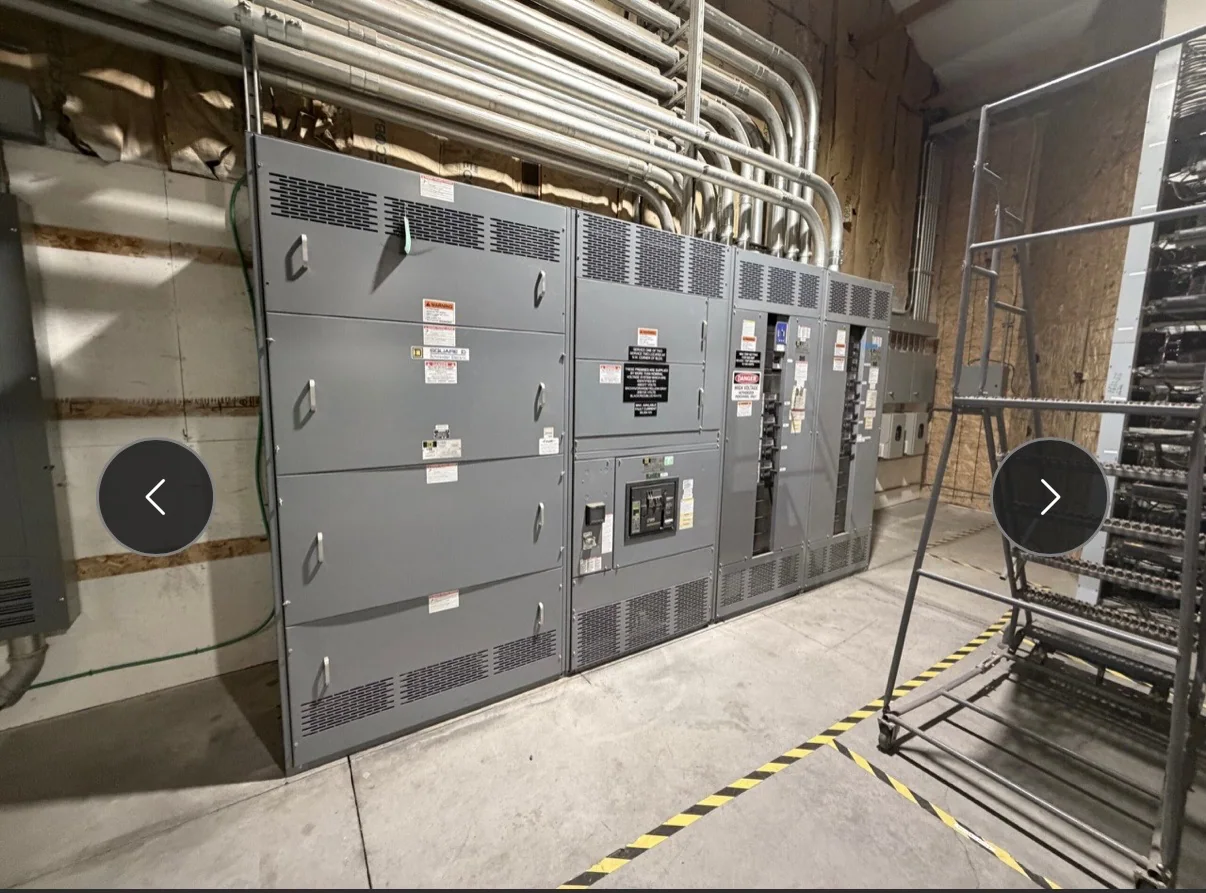
Start with the release decision, not the removal plan
Motor control centers from a power plant decommissioning can represent a mixed inventory, but the first question is whether each section is truly available. Some controls may remain necessary for water treatment, fire protection, environmental monitoring, security, or temporary power. Treat the sale as a defined release lot rather than assuming every cabinet is surplus.
This is a hypothetical planning example, not a description of an existing Ohio project: an owner may retire a generating unit while keeping a separate balance-of-plant area operational for a period. In that situation, the seller should identify the MCC sections assigned to the retired process, then mark controls reserved for continued site operations as not released or release date unknown. That distinction prevents a useful valuation from becoming an unsafe or incomplete handoff.
Identify sections, buckets, and associated spares
Begin with available one-line diagrams, MCC schedules, asset registers, outage plans, and room lists. Record the building or process, lineup identifier, section count, visible manufacturer and nameplate wording, documented voltage and current, and available bus information. Do not infer voltage class, capacity, or bucket compatibility from appearance. All voltage classes can be considered when documentation supports an evaluation.
Inventory vertically, not just by total cabinet count. For every section, list the starter buckets, feeder buckets, variable-frequency drives, soft starters, transformers, relays, meters, and control power components that are actually associated with it. Note whether a bucket is installed, separately stored, reserved, empty, or unknown. Common control wiring can cross section boundaries, so flag shared PLC interfaces, remote I/O, interlocks, or plant-wide permissives without opening equipment or operating anything. A loose spare with no documented association should remain a separate line item until its identity is confirmed.
Use a practical completeness and condition check
A useful inventory makes gaps visible. For example, a hypothetical lot might contain Process Building A: three documented MCC sections, fourteen installed starter buckets, two spare buckets in labeled packaging, and one drive listed on the schedule but not located. Auxiliary Building B might contain two sections, six feeder buckets, a shared control cabinet, and several loose covers whose original positions are unknown. This example is illustrative only; actual counts, brands, ratings, and locations must come from the seller’s records.
Describe condition from safe exterior observation and existing maintenance information: moisture, corrosion, impact damage, missing covers, removed buckets, storage packaging, or outdoor exposure. Disclose known oil, chemical, ash, PCB-related, or other environmental concerns rather than sampling or disturbing material. Do not ask the seller to energize, test, open, dismantle, or touch equipment. Qualified, authorized personnel establish safe conditions and handle disconnection.
Separate ownership and project milestones
Before an offer is tied to a lot, establish release authority. A plant owner, tenant, lessor, lender, contractor, or utility may control different assets. Identify each lineup’s owner and any tenant boundary, retained component, easement, or sale restriction. If a contractor coordinates the shutdown, confirm that it can communicate the owner’s authorization; coordination is not ownership.
Then map the decision sequence: inventory freeze, approval of the sale lot, final operating date, qualified disconnect, environmental or safety clearance, access approval, loading window, and release confirmation. Milestones may change, so state dates as proposed until authorized. Sensitive drawings and photos should be reviewed before sharing; remove operational, security, access-control, and other information that is not needed for valuation. Safe exterior images and redacted schedules are generally more useful than an unedited plant package.
Understand what drives the offer
Valuation depends on more than section count. Documented voltage, bus and device ratings, manufacturer, arrangement, bucket mix, removable devices, spare completeness, and condition affect the assessment. A coherent lineup with traceable buckets may be more useful than unidentified cabinets. Missing covers, unknown shared controls, corrosion, contamination, incomplete records, or schedule mismatches reduce confidence.
Location matters operationally even when it does not change the equipment’s identity. Record the building, floor or elevation, doorway and aisle constraints, overhead clearance, dock or yard access, surface conditions, and any security or escort requirements. Do not promise a price, compatibility, resale destination, or pickup date before those facts are reviewed. After agreement, payment is made upfront according to the agreed arrangement; the buyer coordinates crane service, qualified disconnects, rigging, loading, freight, and hauling. The seller’s role is to authorize release and coordinate access, not to perform removal.
Questions to answer before release
- Which MCC sections, buckets, drives, controls, covers, and spares are included, and which remain reserved for site operations?
- What manufacturer, documented voltage, current, lineup identifiers, and section or bucket schedules are available?
- Do loose devices have labels or records tying them to a specific section, or should they be listed as unmatched?
- Who owns each item, who can authorize release, and are any tenant, utility, lease, lender, or contractor approvals required?
- What shutdown milestone establishes safe release, and who will coordinate qualified disconnection and access approval?
- Are there known environmental concerns, water intrusion, corrosion, fire damage, or restricted areas that should be disclosed?
- What are the practical rigging and transport constraints, including dimensions, weights if documented, clearances, loading surfaces, escorts, and available windows?
With those answers, a seller can present a defensible lot without guessing at ratings or disturbing energized equipment. The buyer can evaluate the documented MCC inventory, agree on scope and payment, and coordinate a controlled release from identification through loading.