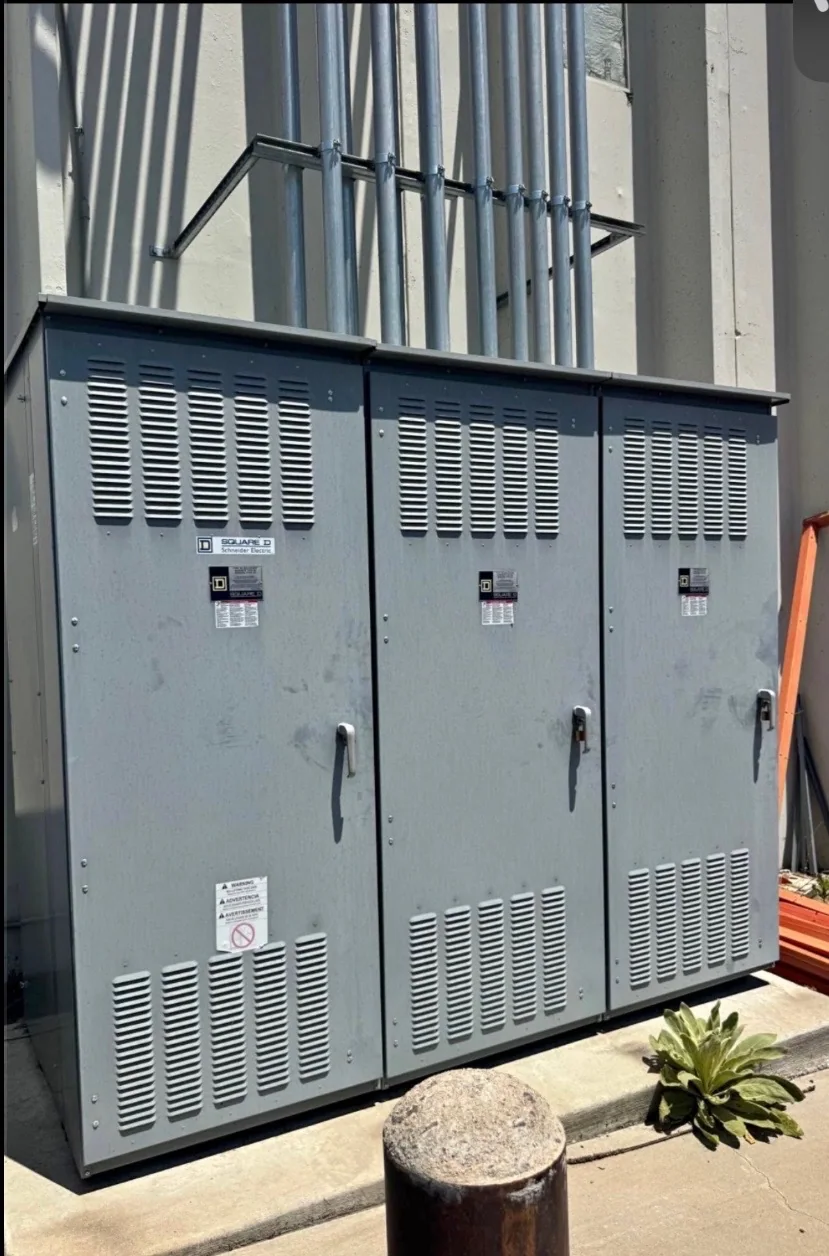
Establish what the equipment is
Pad-mounted switchgear may look like a plain outdoor steel cabinet, but its value depends on the documented lot and the authority governing its release. For a site anywhere in Mahoning County, Youngstown is the county seat; the actual pickup location, owner and service arrangement remain unknown until records are provided. Start with the enclosure count and each unit’s visible nameplate information. Record the manufacturer or brand exactly as shown, catalog or serial information when legible, voltage class, current rating, interrupting information, switch or fuse descriptions, and the number of ways or positions. Do not infer a rating from cabinet size or appearance.
Separate the enclosure from its installed switches, fuses, sectionalizing devices, controls and accessories. A documented 15 kV assembly should not be casually described as a 15 kV device if the label refers only to the assembly. The buyer considers all voltage classes, but needs the actual wording from drawings, nameplates and asset records.
Two hypothetical sale situations
Hypothetical situation one: a defined site-closure lot
Imagine a former industrial property being cleared after a service change. The seller has three customer-owned pad-mounted enclosures, a schedule identifying one as 13.8 kV and two as another documented class, plus separate switch and fuse records. The units remain outdoors, an approved gate provides access, and the owner has written authority to release them. This is a coherent lot because identity, ownership, location and release date support one another. The buyer can assess the group without guessing whether a nearby cabinet belongs.
This is hypothetical, not a claim about a local project. Separate customer-owned equipment from utility-owned assets, retained feeders and easements that can limit release.
Hypothetical situation two: an uncertain cleanup area
Now consider a hypothetical site cleanup where one cabinet is tagged for removal, another is unmarked, and a third sits beside an active service. A file mentions a possible oil or fluid concern, but no confirmed condition report exists. The seller may own only the first unit. Present the lot for evaluation, but mark the boundary, environmental restrictions and release authority as unresolved.
Completeness and condition
List each cabinet separately and state whether documented switches, fuse holders, operating hardware, labels, barriers and external accessories are included. Identify loose parts only when records or safe visual review associate them with a particular enclosure. A missing nameplate, absent cover, damaged hinge, corrosion, impact, water intrusion, fire residue or vandalism can change the assessment. So can known contamination, fluid leakage or a restricted ground surface. Disclose known issues and unknowns; do not sample, open, operate or dismantle equipment to investigate.
Safe exterior photos are useful: front and side views, nameplates that can be photographed without contact, mounting area, visible damage and the surrounding approach. Photos should not require opening doors, reaching inside or entering an unsafe area. No testing is required from the seller. A qualified, authorized team must establish safe conditions and handle electrical disconnection.
Offer factors
Valuation is shaped by verified voltage and current information, manufacturer or brand documentation, switch configuration, quantity, completeness, age when known, visible condition, ownership clarity and whether the equipment is isolated from an active system. A recognizable manufacturer name alone does not establish compatibility or value. Records showing the original configuration and preserved accessories are stronger than an unsupported assumption that parts fit.
The buyer can make a cash offer after reviewing the available facts. Once the seller accepts and the sale is agreed, payment is made upfront before the agreed pickup. The seller does not perform electrical tests. The assessment may remain subject to confirming ownership, safe release and the agreed lot boundary.
Access and freight planning
For a Mahoning County site cleanup, provide the pickup address privately during coordination, site contact, gate or escort requirements, available hours, surface conditions, overhead obstructions, turning space and required building or utility approvals. If a utility-owned enclosure, easement or active service is nearby, identify the party whose authorization is required and the date release is permitted. This is coordination, not a request for the seller to absorb removal work.
The buyer handles crane arrangements, qualified disconnects, rigging, loading, freight and hauling. The seller should not move, open, operate, disconnect or dismantle the switchgear. State whether a crane setup area or restricted environmental zone needs advance approval, and disclose rules governing vehicles, escorts, weather access or contaminated ground.
Example inventory and seller questions
- Enclosure A: one pad-mounted cabinet; documented manufacturer or brand; voltage, current and device details copied from records; customer-owned or unknown.
- Enclosure B: quantity and visible label recorded; switch or fuse positions documented; corrosion, fluid issue or damage stated separately.
- Loose components: only items with a documented association, with storage location and packaging condition noted.
- Site information: actual pickup location, access restrictions, authorized release contact, environmental restrictions and proposed release date.
Ask: Who owns each enclosure and its internal devices? Which units are utility-owned or remain energized? Are the voltage and current values for the assembly or an individual device? Are drawings, asset tags, service records or decommissioning documents available? What contamination or impact history is known? What approvals govern access and release? Accurate gaps are more useful than invented certainty.
Practical next step
Send documentation and exterior photos for the Mahoning County lot, identifying boundaries and unknowns. Keep active or utility-controlled equipment separate. Once ownership, condition, access and release authority are coordinated, the buyer can evaluate switchgear and discuss a cash purchase without asking the seller to test or handle hazardous work.