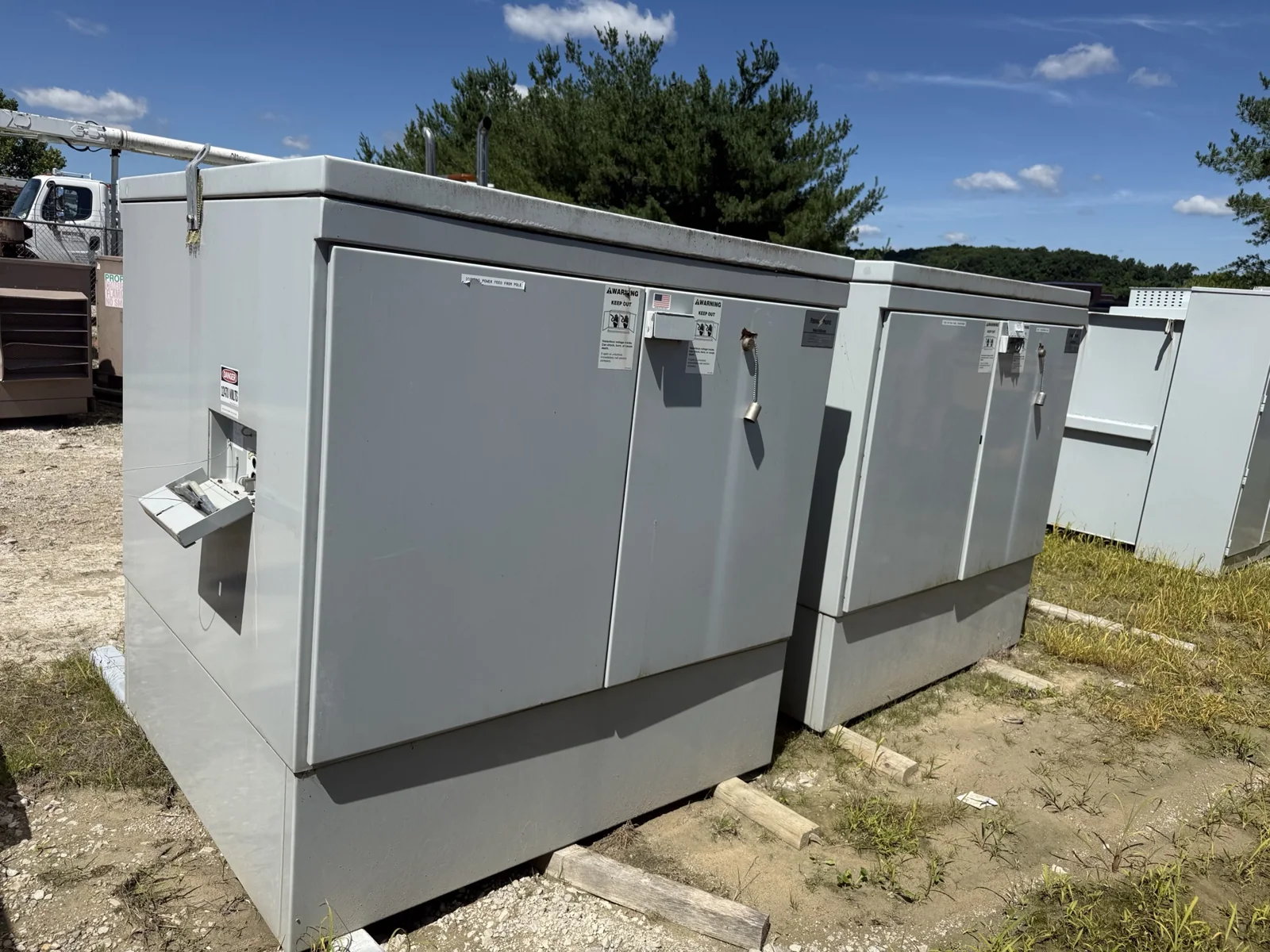
Selling metal-clad switchgear from a Youngstown-area facility is primarily an equipment-matching and release-planning exercise. A lineup can look substantial yet be difficult to value if its sections, removable devices, records, or ownership boundaries are unclear. This matters in a hypothetical industrial shutdown, where an operating schedule may be changing while part of the electrical room remains controlled. An evaluation can consider equipment from Mahoning and Trumbull counties, but the actual site, authority to release the gear, and access conditions must be confirmed.
Start with documentation, not appearance
Use existing drawings, one-lines, equipment schedules, nameplate records, and maintenance files to verify that the assembly is actually identified as metal-clad. Exterior appearance alone does not establish construction, voltage class, or breaker interchangeability. The useful record set may show the lineup designation, number of sections, bus information, device positions, protective relays, and associated control equipment. Share what already exists; there is no need for the seller to open compartments, operate devices, or test anything.
Record the full wording visible on safe exterior labels, including manufacturer, assembly identification, documented voltage and current ratings, and serial or section references when readable. Keep an assembly rating separate from an individual removable breaker rating. A breaker stored beside a lineup is not automatically a match: its documented position, mechanism, control voltage, and primary disconnect arrangement must be reconciled with the records. If a detail is absent, mark it unknown instead of filling the gap with a visual guess.
Define the lot and its completeness
Count every lineup section and describe its role where the documentation supports that description. A practical inventory might separate incoming or main sections, feeder sections, bus-tie sections, metering, relay compartments, and auxiliary or transition sections. Then make a second list for removable breakers, fuses, relays, shutters, drawout hardware, control power components, loose covers, and separately stored spares. Note the exact label or documented association for each item rather than pooling all devices under one quantity.
In the hypothetical shutdown, an equipment schedule could identify a twelve-section lineup while the proposed release includes only eight sections and three loose breakers. That example is not a claim about a Youngstown installation; it illustrates why the sale boundary should show what is included, what remains in place, and which release date applies to each portion. A missing section, disconnected control cabinet, undocumented spare, or retained feeder can materially change the usefulness and valuation of the lot.
- List section numbers and their documented functions.
- Separate installed devices from stored devices and identify uncertain matches.
- Note missing doors, covers, hardware, labels, relays, or control components if known.
- Identify whether drawings describe the complete lineup or only a modification.
Condition affects matching and valuation
Describe condition factually from available records and safe exterior observation. Helpful information includes indoor or outdoor storage, dust, moisture exposure, corrosion, impact marks, deformation, removed panels, packaging, and evidence that sections were relocated. Maintenance history, prior refurbishment records, and storage dates may help, but their absence should be stated plainly. Do not infer operational condition from a clean door or a readable label. A buyer can evaluate documented condition without requiring the seller to energize, inspect internally, or perform a test.
Value is influenced by more than metal weight. A coherent lineup with traceable sections, associated breakers, usable documentation, and complete exterior enclosures may be more useful than a larger but mixed collection. Manufacturer and documented ratings narrow potential matching; so do section count, device completeness, relay and control inclusion, corrosion risk, storage method, and lawful removal difficulty. These are evaluation factors, not a promised price or acceptance decision.
Plan a safe release and a realistic route out
Provide the authorized site contact, ownership or disposal authority, release window, and any shutdown or environmental approvals that apply. Access approvals are a coordination issue: the seller should explain badges, escorts, operating-hour limits, clearance rules, and loading reservations, while the buyer coordinates the removal plan. The seller is not expected to arrange or pay for crane service, qualified disconnects, rigging, loading, freight, or hauling. After agreement, the buyer handles those activities with qualified personnel and appropriate equipment.
Dimensions are central to logistics. Existing room drawings or measured doorway, corridor, stair, dock, and overhead-clearance information can indicate whether a complete section can travel as one load or requires another configuration. Do not dismantle anything to obtain measurements. Safe exterior photos of nameplates, section fronts, stored devices, loading doors, and the approach can supplement records without touching equipment or entering a restricted area. Unknown turning radius, floor capacity, dock limits, and crane access should remain open questions until the site team confirms them.
Questions that make an offer more precise
For a Youngstown inquiry, share the documented manufacturer and assembly designation, section count, visible voltage and current wording, device schedule, spare locations, condition notes, ownership boundary, and target release date. Explain whether the industrial shutdown is hypothetical planning or an authorized disposition; do not represent a possible scenario as a completed local project. Identify what must remain, who can approve access, and whether the lot is stored, installed, or split between areas.
Once the scope and release authority are clear, the buyer can make a cash offer. Payment is upfront after agreement, and seller testing is not required. The next step is an accurate record-and-access package, followed by coordinated review of the equipment boundary and removal conditions—not an attempt to operate, open, dismantle, disconnect, or test the switchgear.