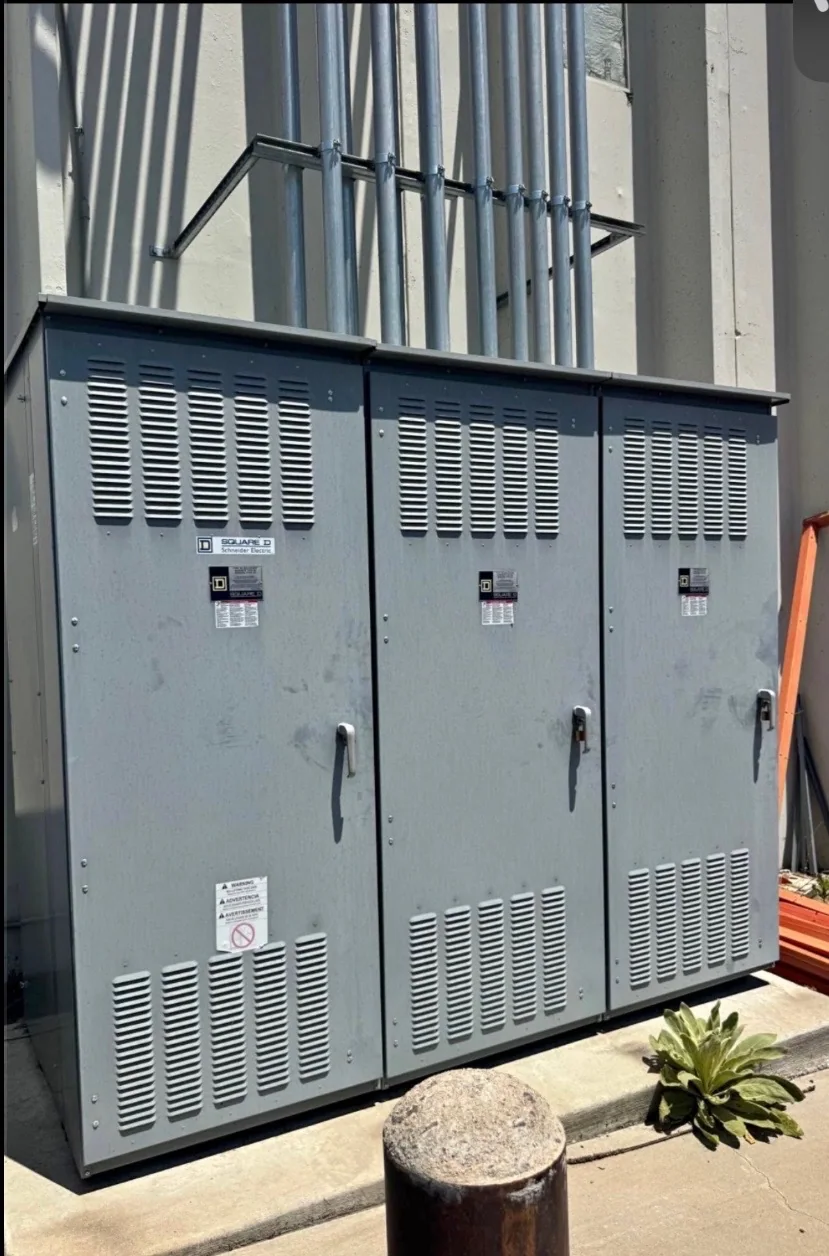
A facilities manager in Massillon, Stark County, Ohio, may inherit a motor-control-center lot after a plant ownership change. Vertical sections stand against one wall while labeled starter buckets sit nearby. Yet a bucket tag that appears to match a lineup label is not proof of identity. Separate what is visibly present from what records say, and mark every uncertain association as unknown.
Start with the lineup, not a bucket pile
Record each vertical section in order, using the exterior label or other visible identifier exactly as shown. Note the number of sections and the position of each starter bucket, empty space, feeder, disconnect, or control compartment. A schedule may describe a motor starter, variable-frequency drive, soft starter, or spare position that is no longer installed. Conversely, a bucket on a pallet may belong to another lineup or be a general spare. Do not infer a match from color, dimensions, a familiar handle, or a similar-looking nameplate.
Useful records may include a bucket schedule, one-line drawing, control schematic, or asset register. They can identify the manufacturer, lineup family, section numbers, starter sizes, control voltage, feeder information, and included drives or controls. The complete voltage class still needs documentation; this buyer considers motor-control-center equipment across voltage classes rather than assuming from appearance. Assembly, starter, control-circuit, and drive ratings are different facts.
Make inherited inventory relationships explicit
Hypothetical comparison
Hypothetical example: an inherited lot contains four labeled vertical sections, six installed buckets, two loose buckets marked “spare,” and a paper schedule with older position numbers. The lineup labels appear to read A through D, while the loose tags use another convention. The seller can list the visible labels and provide the schedule, but should not claim that either loose bucket fits section C until authorized review of the records establishes that relationship. Write “possible association, not verified” or “unknown,” rather than folding both buckets into the installed count.
Shared control circuits deserve attention. A starter bucket may depend on control wiring, interlocks, transformers, network components, or common control power not included in a loose-bucket sale. Identify controls physically present, controls shown on drawings but absent, and reserved positions. If a schedule lists drives or electronic controls, state whether each is installed, separately stored, visibly incomplete, or unknown. This defines the lot boundary without operating or opening equipment.
Describe completeness and condition without testing
Useful condition notes are factual and observable from a safe exterior position. Record dents, corrosion, water staining, missing doors, damaged handles, unreadable labels, broken windows, loose packaging, or evidence that a bucket was stored separately. Count covers, hardware, and control components only when their presence is known. A clean exterior does not establish internal condition, and dust does not prove failure. No seller testing is required.
Send existing records and safe exterior photos when available. A qualified, authorized team must establish safe conditions and handle disconnection. Do not open compartments, remove covers, touch energized equipment, dismantle buckets, or attempt a field test. If a lineup, control circuit, or stored bucket is undocumented, preserve that uncertainty.
What can affect the valuation
An offer can reflect more than cabinet count. The buyer may consider documented manufacturer and series, voltage and current ratings, section count, bucket sizes, starter types, drives, controls, bus arrangement, completeness, matching confidence, physical condition, and whether loose spares are genuinely associated with the lineup. A coherent lot with a reliable schedule may be easier to evaluate than a larger mixed pile whose labels conflict. Missing buckets, unidentified controls, water exposure, corrosion, and unclear ownership can reduce certainty.
For inherited inventory, identify the current owner, the person authorized to approve release, and any landlord, lender, successor, or site-operator restrictions. Do not include sections another party intends to retain. The buyer can make a cash offer after reviewing the equipment; once the seller accepts and the sale is agreed, payment is made upfront before the agreed pickup, with terms depending on the equipment and transaction rather than an assumed price, timeline, or local project.
Plan access, safe release, and freight
Describe the actual site: room or storage area, doorway and aisle information, loading constraints, access hours, security requirements, and the contact who can coordinate approvals. If the lineup is in an active electrical room, identify the proposed sale boundary and equipment that must remain in service. Coordinating an outage, release date, and site approval does not transfer removal work to the seller.
After agreement and authorized release, the buyer handles qualified disconnects, crane needs, rigging, loading, freight, and hauling. The seller should not arrange unsafe removal or move heavy sections to a dock. Notes about doors, elevators, overhead obstructions, staging space, and truck access help planning; unknown dimensions should remain unknown until confirmed by an authorized review.
Questions that sharpen a Massillon inventory
- What are the exact exterior labels and section order on each lineup?
- Which bucket schedule, drawing, or asset record is current, and which is historical?
- Which starter buckets, drives, controls, and spares are visibly present, and which matches remain unknown?
- Are shared control circuits, reserved positions, or retained sections shown in the documentation?
- Who owns the equipment and who can authorize release and coordinate access?
- What safe exterior photos and known condition notes are available?
- What access approvals, loading restrictions, and release boundaries must be coordinated?
A precise inventory requires disciplined labels, honest gaps, and records distinguishing an installed section from a loose spare. That gives a Massillon motor-control-center buyer enough substance to evaluate the lot while keeping safety, ownership, and removal responsibilities clear.