What should a Findlay motor control center inventory show?
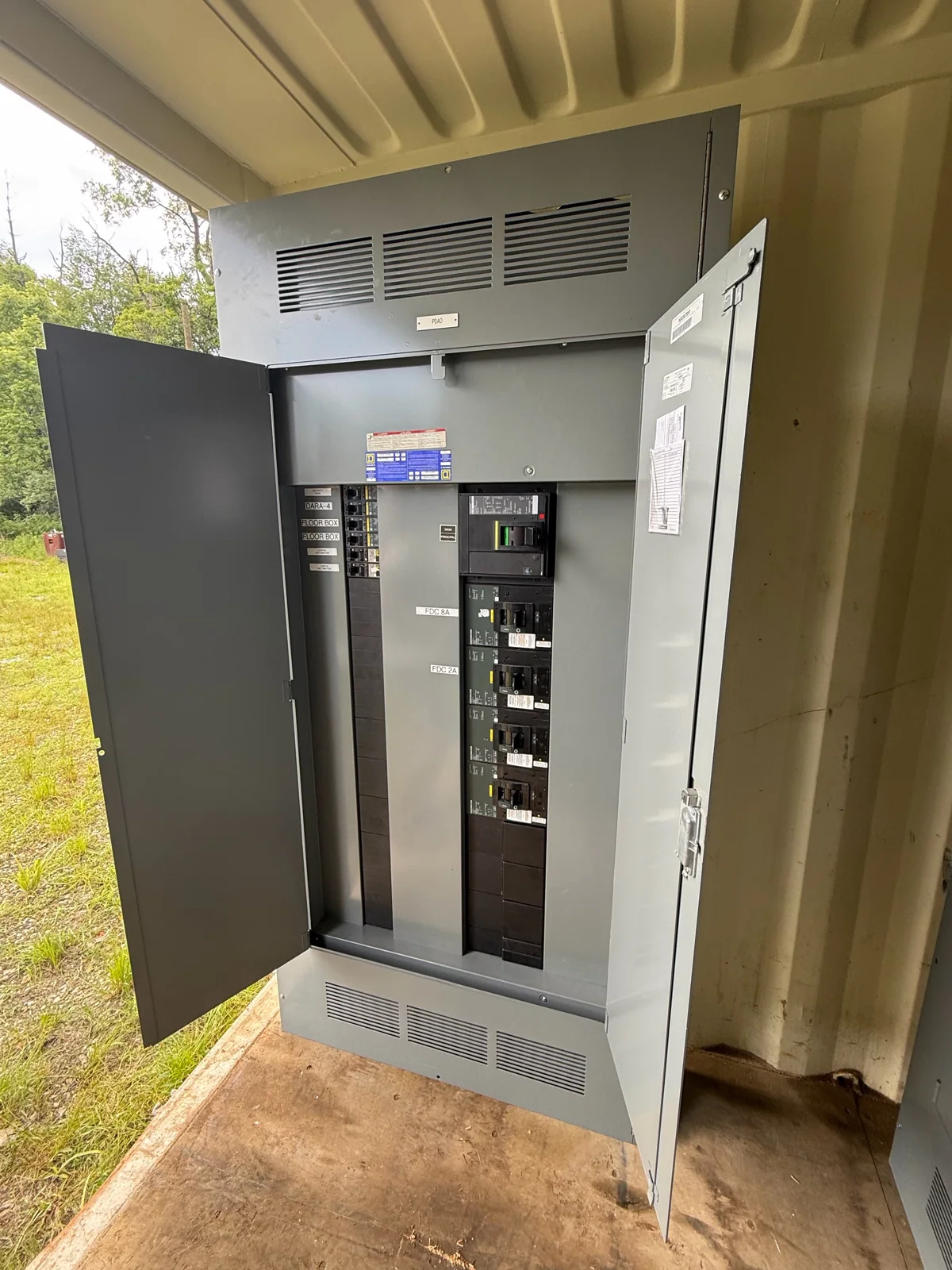
When a motor control center is available in Findlay, Ohio, start with the lineup as an assembly, not a rough cabinet count. Existing records identify Findlay as being in Hancock County, but the pickup site, owner, operating status, and release date remain unknown until the seller provides them. Describe each vertical section by its designation, nameplate information, and relationship to the lineup. A section may contain combination starters, feeder devices, disconnects, control power equipment, or blank spaces. Appearance alone does not establish voltage, current, fault rating, or compatibility.
What is the practical unit of identification? Usually it is a section plus the starter buckets or compartments associated with it. A bucket schedule can show the assigned motor or process, starter size, overload information, fuse or breaker details, and control references. Please share it with drawings, purchase records, maintenance notes, and exterior nameplate photographs. Safe exterior photos and documents are sufficient for initial review; the seller should not open compartments, operate handles, touch equipment, or test anything.
How do you reconcile a schedule with what is actually present?
A hypothetical process upgrade could release a lineup after newer controls are installed. Compare the dated starter-bucket schedule with visible section labels and count what is physically present. Mark every bucket as installed, separately stored, reserved, removed, or unknown rather than assuming a scheduled position is included. A listed but absent bucket can materially change the lot. A loose bucket should not be assigned to a section merely because its exterior looks similar.
- Record each vertical section, its label, approximate dimensions, and whether doors, barriers, covers, and bus-access hardware appear present.
- List every installed bucket by position and label, then list loose or boxed buckets separately with their tags and documented association.
- Identify included variable-frequency drives, soft starters, overloads, control transformers, relays, or PLC-related controls without inferring their specifications.
- Flag shared control circuits, common starters, interlocks, network components, and reserved positions that may not travel with the lineup.
Which details should remain unknown? Any missing schedule page, illegible label, unverified bucket match, undocumented modification, or retained control circuit should be marked unknown. Clear uncertainty is more useful than an unsupported completion claim.
What condition information affects an offer?
Condition is more than whether paint looks clean. Note corrosion, dents, water marks, contamination, missing doors, damaged hinges, cut conductors, incomplete hardware, removed wireway covers, and evidence of outdoor storage. State whether the MCC was installed, warehouse-stored, or recovered from a decommissioned data center or shut-down power plant, if documented. Operating history may be unavailable; do not substitute an assumption for a record.
Are drives and controls automatically valuable additions? No. Their value depends on identity, quantity, documented association, visible condition, completeness, and inclusion in the agreed lot. The same applies to starter buckets. A lineup with an intelligible schedule, identifiable buckets, intact enclosures, and organized controls is easier to evaluate than a mixed collection with unknown origins. Disclose known contamination or environmental concerns early so handling and release can be coordinated safely.
How is a motor control center lot valued?
The evaluation can consider documented voltage class, bus and device ratings, manufacturer information, section count, bucket mix, controls, completeness, condition, and ownership clarity. It can also consider whether the lot is a coherent lineup or only selected sections and loose components. Do not infer a rating from a neighboring device or promise compatibility without records. A seller does not need to test the equipment. After reviewing the lot, the buyer can make a cash offer; once the seller accepts and the sale is agreed, payment is made upfront before the agreed pickup according to the transaction terms.
For a hypothetical inventory, imagine four labeled vertical sections, a schedule listing twelve starters, nine buckets installed, two tagged buckets in storage, and one position marked reserved. That is not a claim about a Findlay facility; it illustrates why the offer should distinguish present equipment from scheduled or retained items. The final lot boundary, ownership, release authority, and exclusions should be written down before removal planning.
What must be coordinated before safe release?
Who can authorize access? The owner or an authorized site representative should confirm availability, identify any building or utility boundary, and coordinate access approvals, escort rules, outage restrictions, loading hours, and paperwork. A seller should not remove covers, disconnect conductors, dismantle sections, or establish safe electrical conditions. Qualified and authorized personnel must handle disconnection and determine when the equipment is safe to release.
Once the lot and release conditions are agreed, the buyer handles the removal plan: crane or other lifting equipment, qualified disconnects, rigging, loading, freight, and hauling. The seller is not expected to pay for or perform those activities. Coordination may still be needed for dock reservations, security clearance, lift paths, floor protection, and a mutually acceptable release window. Those are access details, not a transfer of removal work.
What should a seller send for an initial review?
For this Findlay route, useful questions include: Who owns the MCC and can authorize its release? Which sections and bucket positions are included? Is a bucket schedule available? Which drives, controls, spare buckets, and documents are included? Are any circuits shared with equipment that remains? What damage, moisture exposure, contamination, or missing parts are known? What approvals and access restrictions apply? Please answer from records and safe observations. A concise inventory, exterior photographs, and release information support evaluation without asking anyone to operate, open, test, or touch energized equipment.