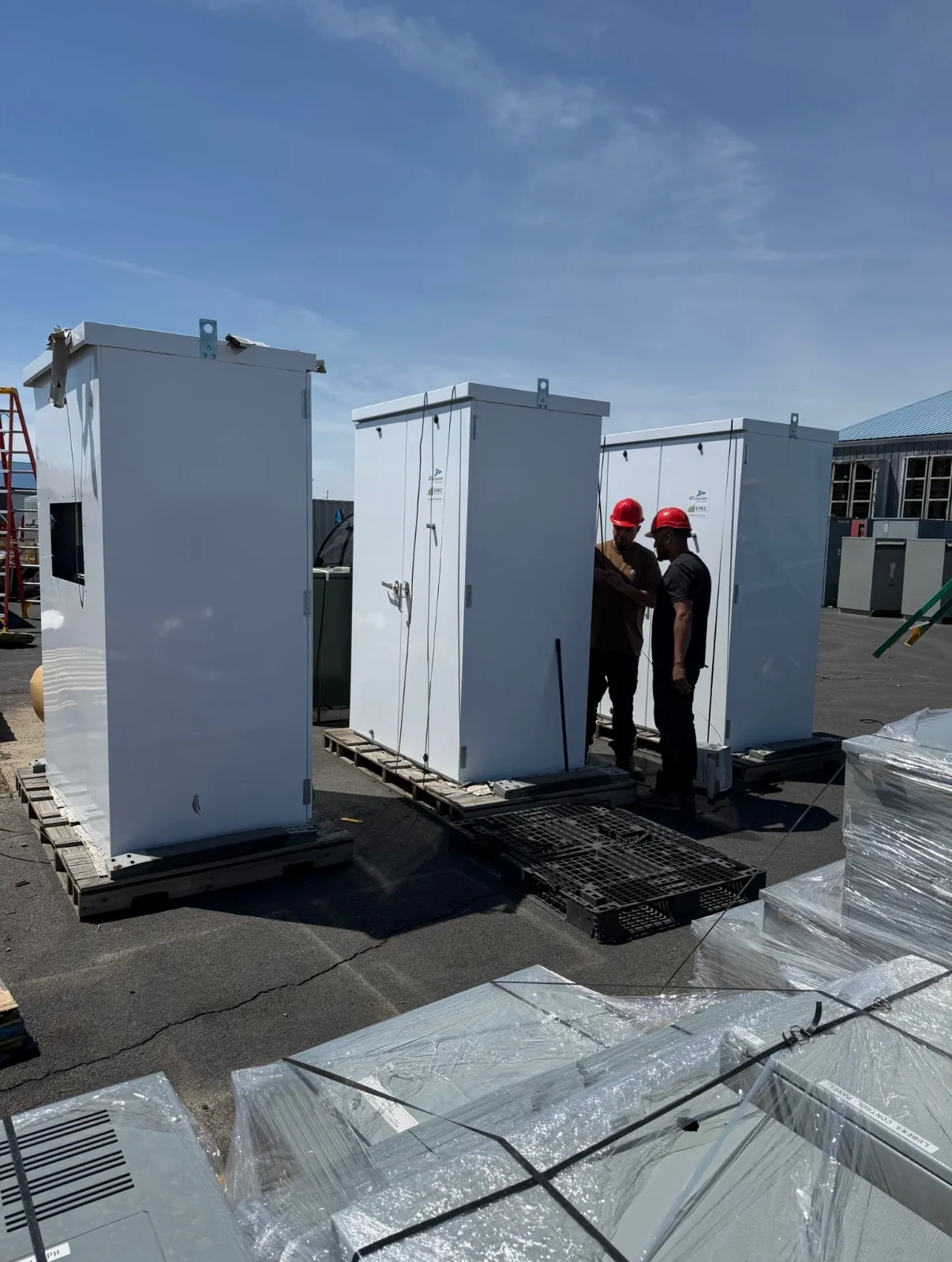
Match the Mansfield motor control center to the actual lot
A motor control center cannot be valued reliably from outside dimensions or a section count alone. For an evaluation in Mansfield and elsewhere in Richland County, start with a section-by-section inventory. Identify each vertical section, lineup designation if documented, nameplate information, and starter buckets installed there. A bucket may contain a starter, disconnect, overload components, controls, or other equipment, but its position is not proof of its electrical specifications.
Share the available bucket schedule, one-line drawing, bills of material, maintenance list, or decommissioning record. These can show which bucket belongs in which section and whether a position was active or reserved. Use the wording shown in records for voltage, current, enclosure, and control details. Do not infer a rating from color, size, or appearance.
Define a phased plant-transition boundary
Hypothetical example: a plant is moving through a phased production transition. One group of motor-control sections is scheduled for release while another must remain needed until production ends. The sale lot should name releasable sections and buckets separately from equipment that remains in service. A transition date does not establish that every nearby section is available. Retained starters, shared controls, common incoming equipment, and reserved positions should be marked retained, excluded, or unknown.
This distinction prevents a mismatch between the proposed lot and the operating plant. If release occurs in stages, provide the sequence, expected authorization, and any dependency on an outage or production milestone. Those details support coordination; the seller does not need to disconnect, operate, open, dismantle, or test equipment. A qualified, authorized team must establish safe conditions and perform required disconnection.
Build an inventory that can be evaluated
List vertical sections individually rather than reporting only “one MCC.” For each, note installed buckets, bucket labels, empty spaces, spare buckets, loose controls, and included drives. Record whether a schedule identifies a motor designation or circuit, and flag shared control circuits serving more than one section. Unknown is useful when records do not resolve an association.
- Section labels and lineup order, including gaps between physically separated groups.
- Starter-bucket labels, documented voltage and current information, and visible manufacturer markings.
- Included variable-frequency drives, soft starters, control transformers, relays, or separately stored controls.
- Known missing buckets, covers, doors, wiring, hardware, or documentation.
- Whether loose spares are documented as belonging to this lineup or are simply nearby.
Hypothetical inventory: six vertical sections, twenty installed buckets, two empty positions, three tagged spare buckets, and drives in a labeled cabinet. That is more useful than claiming the lineup is complete. If a spare has no schedule reference, identify the match as unconfirmed rather than assigning it by appearance.
Condition, records, and valuation factors
Condition matters alongside electrical identity and lot completeness. Describe visible exterior damage, missing doors or covers, corrosion, moisture exposure, impact marks, altered labels, storage conditions, and signs that components were removed. Note whether records are original, revised, partial, or unavailable. A clear nameplate and coherent schedule reduce uncertainty; undocumented modifications, mixed buckets, and missing control parts increase it.
Relevant factors include documented voltage class, section and bucket count, manufacturer and series information when visible, included drives or controls, lineup completeness, condition, ownership authority, release readiness, and practical handling cost. The buyer considers all voltage classes. The seller does not need to test equipment. Safe exterior photographs of nameplates, section fronts, labels, stored buckets, and packaging are appropriate; do not open enclosures or touch energized equipment.
The business buys surplus equipment from decommissioned data centers, shut-down power plants, and industrial transition lots. Accurate documentation matters when a control center was stored, modified, or separated from operating records. It does not establish a particular Mansfield facility or project.
Plan access and freight without shifting removal work
Provide the site contact, ownership or release authority, room location, doorway and travel-path constraints, loading hours, dock or ground-level information, and known escort, induction, security, or plant-access approvals. For a phased transition, identify operational areas and sections available under the authorized schedule.
The buyer handles the crane, qualified disconnects, rigging, loading, freight, and hauling. The seller should not arrange removal work or accept responsibility for dismantling. Access approvals, escorts, and outage coordination still need confirmation with responsible site parties so the buyer’s qualified crew can plan a safe release. Mention stairs, low clearances, narrow doors, floor-loading limits, restricted parking, or weather exposure when documented. Exact dimensions and weights should come from records or qualified review, not guesses.
The buyer can make a cash offer based on the documented lot and release conditions; once the seller accepts and the sale is agreed, payment is arranged upfront before the agreed pickup. Clear ownership, honest condition notes, and a realistic release window support valuation.
Questions to send with a Mansfield inquiry
Identify the Richland County site only as specifically as the authorized process permits and answer these questions:
- How many vertical sections are included, and what are their labels?
- Which starter buckets are installed, reserved, loose, or missing?
- Are schedules, drawings, nameplate photos, drive lists, or control schematics available?
- Which sections remain needed until production ends, and what is the authorized release boundary?
- What visible damage, storage exposure, or missing hardware is known?
- Who can approve access, and what loading restrictions apply?
Include safe exterior photographs and existing records if available. Do not operate or test anything for the inquiry. A careful section-and-bucket inventory separates a phased release from retained plant equipment and supports safe removal without asking the seller to perform electrical or lifting work.