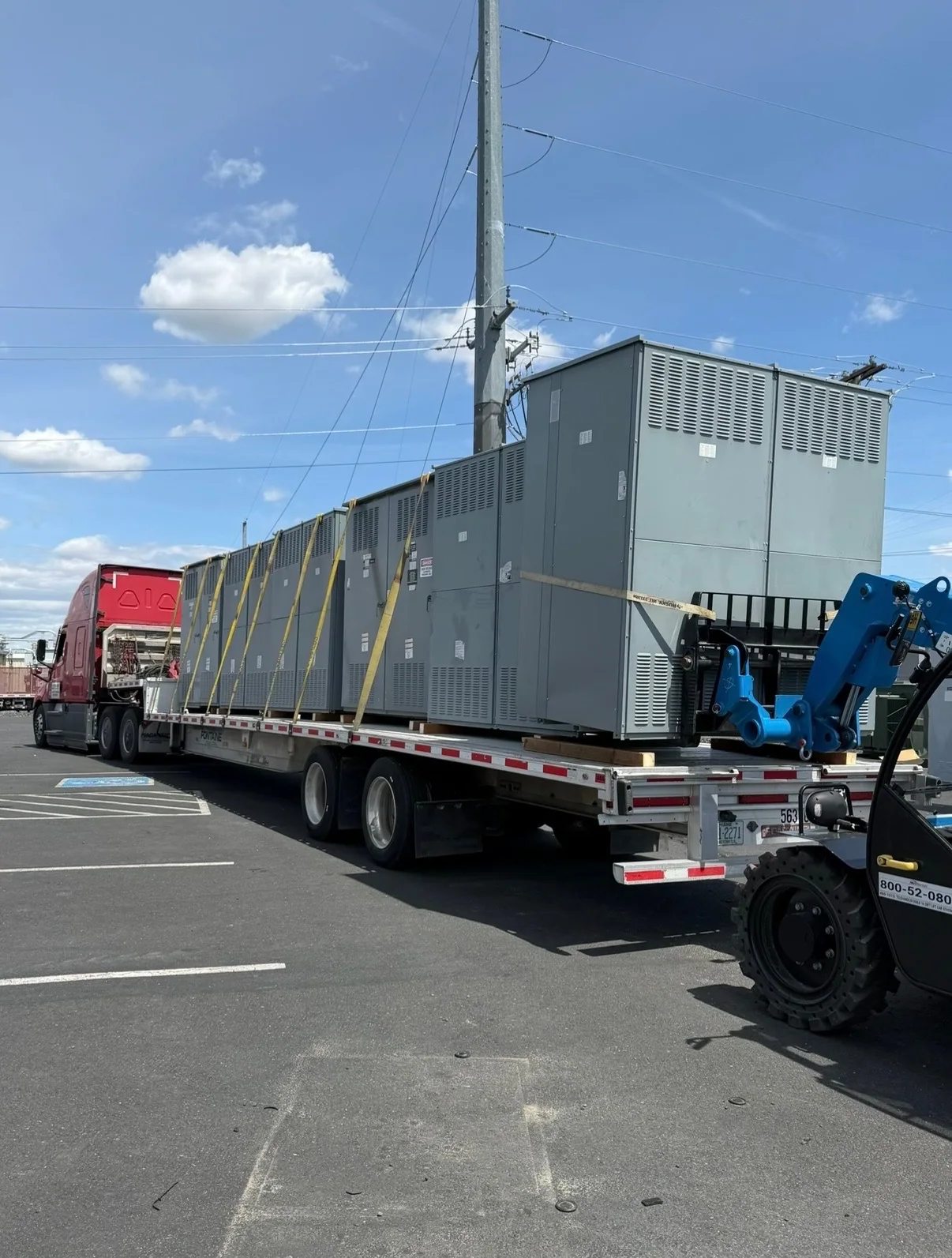
Start with identification, not appearance
When evaluating metal-clad switchgear anywhere in Ohio, first confirm that existing records actually identify the equipment as metal-clad. A photograph of a tall steel lineup cannot establish construction, voltage class, interrupting capability, or whether a breaker fits. Begin with one-line diagrams, equipment schedules, purchase records, nameplate transcriptions, and room drawings. Share the manufacturer exactly as documented, along with the assembly designation or series if available.
Record the full voltage and current wording from assembly and device labels rather than guessing a category. Note section count, lineup identifiers, bus information, protective devices, and visible breaker positions. A breaker on a nearby pallet is not automatically part of the lineup. The same caution applies to relays, grounding components, controls, and loose hardware. Keep unknown information marked unknown until a document or qualified review supports it.
Build a practical inventory
Follow the inventory from the complete assembly to its individual pieces. List each section by documented identifier, then describe it as main, feeder, tie, metering, or another type only where records support that description. Count removable breakers by position and document their nameplates separately. List stored breakers on a separate line with their tags, quantities, and stated associations; do not merge them into installed counts because they look similar.
Hypothetical inventory example: a former industrial facility may have a documented six-section metal-clad lineup, two removable feeder breakers installed in identified cells, one stored breaker labeled for a particular section, and control components with no confirmed match. This is not a claim about a specific Ohio site. Preserve the distinctions: six sections, two installed devices, one separately stored device with a proposed association, and unmatched components marked unknown. A section count without device positions is incomplete, while a breaker count without its lineup relationship can misstate the lot.
Check completeness and condition safely
Identify missing doors, covers, barriers, racking mechanisms, control wiring, relay panels, drawout hardware, labels, shipping braces, and documentation. Note whether a breaker is with the lineup or separately stored, and whether the seller knows of removed parts. Do not ask the seller to open compartments, operate mechanisms, dismantle sections, or test anything. Safe exterior photographs may show nameplates, section fronts, visible damage, storage conditions, and overall arrangement.
Condition notes should stay factual and limited to records or safe exterior observation. Report corrosion, dents, water staining, impact marks, missing panels, damaged paint, poor storage, or an uncertain history. A clean exterior does not prove internal condition, and an old date code does not alone determine value. Qualified, authorized personnel must establish safe conditions and handle electrical and physical work.
Consider the factors behind an offer
Valuation follows the documented assembly, not a generic label. Relevant factors include voltage and current, manufacturer and series, section count, breaker identity, protective-device documentation, completeness, visible condition, storage environment, and whether loose devices belong to the same lot. Clear drawings and matching labels reduce uncertainty. Missing records, unidentified breakers, altered wiring, severe corrosion, or an unclear lot boundary may require additional review.
Confirm that the seller has authority to transfer the equipment and identify any landlord, lender, utility, contractor, insurer, or project-owner interest. If the lineup served an operating facility, separate equipment approved for release from equipment that must remain in service. The buyer considers all voltage classes, but no compatibility or future use should be promised from a nameplate or photograph. An offer depends on the available information and agreed scope; it is not an automatic purchase or fixed price before review.
Plan access and staged release
Describe the real access conditions: building or yard location, documented section dimensions, door and route restrictions, floor or loading limitations, security procedures, lift access, loading hours, and the contact who can authorize entry. If a lineup is released in stages, assign each stage its sections, breakers, documents, and target date. A retained section or active adjacent lineup must be explicitly excluded rather than assumed included.
Access approvals are a coordination item. The buyer handles crane arrangements, qualified disconnects, rigging, loading, freight, and hauling; the seller does not perform those tasks. The seller should not move, disconnect, energize, de-energize, open, or dismantle equipment for evaluation. Identify authorized site representatives and coordinate a safe release window. Payment is upfront after agreement, with scope and release conditions recorded before pickup planning.
Questions before release
- Which document confirms the metal-clad designation, and which details remain unknown?
- What are the documented assembly voltage, current, manufacturer, section count, and device positions?
- Which breakers are installed, which are stored separately, and what labels associate them with sections?
- What covers, barriers, controls, relays, drawings, or hardware are missing or excluded?
- Who owns the equipment and who can authorize a staged release?
- Which portions remain in service, and what access approvals or dates must be coordinated?
Existing documents and safe exterior photographs give the buyer a clearer starting point while preserving safe boundaries. The sequence is: verify the designation, reconcile inventory, describe condition and ownership, coordinate access, agree on the exact lot, and release equipment under an authorized plan.