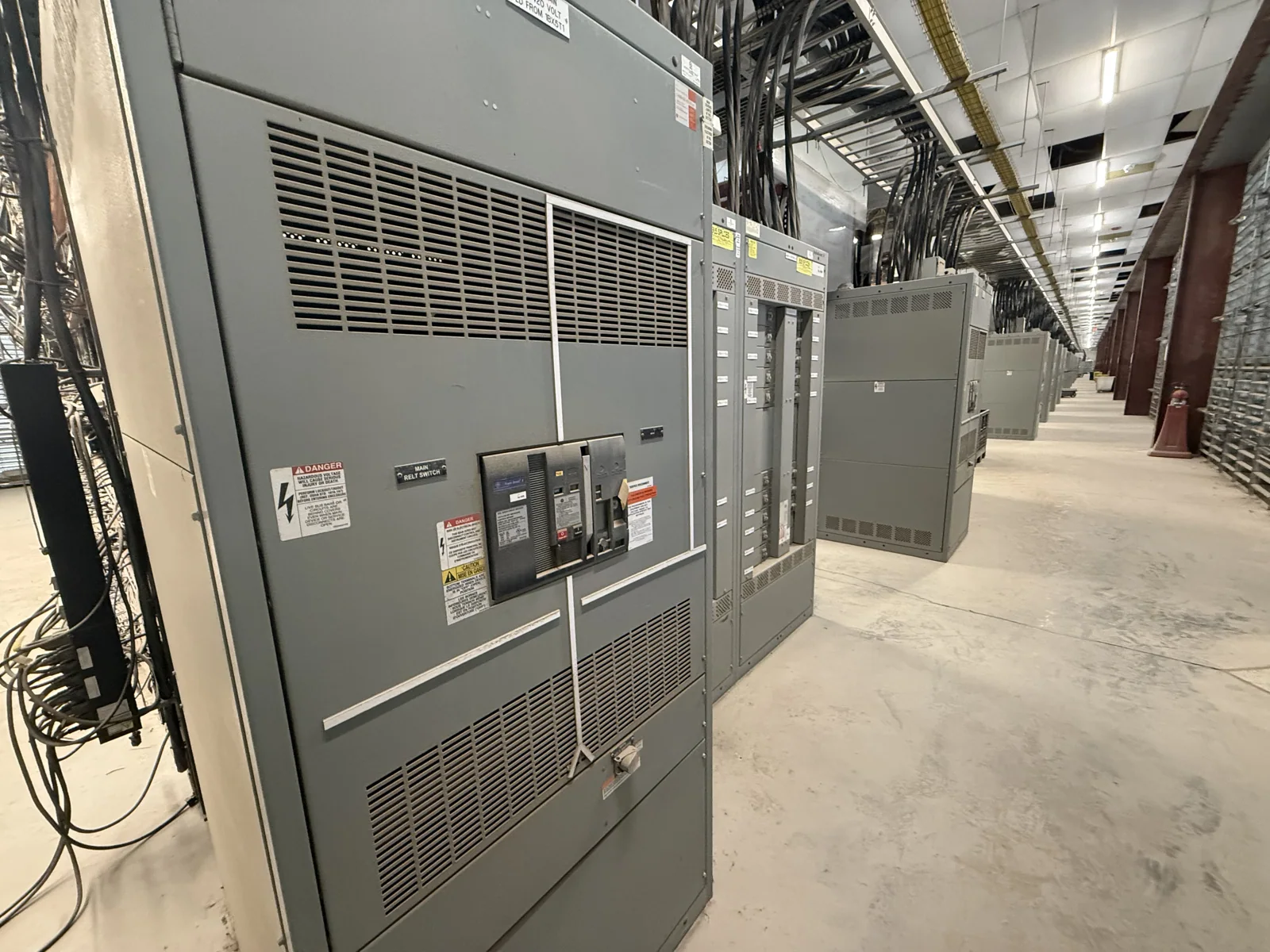
Define the lot before you count it
Metal-clad switchgear and loose breaker inventory can look like one sale while actually containing several different scopes. Start by separating the documented lineup from devices still installed in it and from breakers that were removed earlier and stored elsewhere. Do not infer metal-clad construction, voltage class, breaker fit, or common ownership from appearance.
Use existing one-line diagrams, equipment schedules, nameplate records, and removal lists. Record the manufacturer and model or series wording exactly as shown, along with documented voltage, current, interrupting information, section identification, and device position. If a label is unreadable or a loose breaker has no traceable position, mark that field unknown. An unresolved match is more useful than an invented match because it keeps the evaluation tied to what can be identified.
Separate installed devices from removed spares
For each lineup, list the section or position, the device presently associated with it, and the condition of the compartment as documented from a safe exterior viewpoint. Then create a separate list for breakers already removed from service. A removed breaker may be a spare for that lineup, a component from another assembly, or an item whose history is no longer known. Do not promise that it fits a position merely because its enclosure dimensions appear similar.
Include brand, catalog or nameplate wording, device identifier, quantity, storage location description, and any known accessories. Note whether shutters, racking hardware, secondary disconnect parts, control fuses, relays, covers, and shipping brackets are present only when the records or safe photographs support that statement. The buyer considers all voltage classes, but the applicable class must come from documentation rather than a guess based on the size of a breaker.
A practical inventory example
Hypothetical example: An owner reports a four-section indoor lineup and six breakers in a nearby storage area. The records identify four lineup positions, while only three installed device labels are legible. Two stored breakers carry matching manufacturer wording, one has a different series marking, and three have no readable position reference. A useful inventory would say: four documented sections; three installed devices with two legible position labels and one unresolved label; six removed breakers stored separately; two with a documented association, one apparently different but unconfirmed, and three unmatched. It would not call all six interchangeable or describe the lineup as complete.
Completeness and condition without unsafe work
Completeness is more than a section count. Compare drawings and schedules with the visible lineup, then flag missing doors, barriers, covers, nameplates, breaker compartments, hardware, relays, control wiring, or shipping supports when those omissions are documented. For loose breakers, record whether they are palletized, protected, tagged, or exposed to moisture, dust, impact, or prolonged storage. Describe visible corrosion, damaged paint, bent covers, cracked insulators, contamination, or missing accessories without opening a compartment or touching equipment.
The seller does not need to test the equipment. Do not open, operate, dismantle, move, or handle energized gear. Provide only safe exterior photographs and existing documents; qualified, authorized personnel must establish safe conditions and perform electrical or physical work. Unknown internal condition remains unknown until an appropriately authorized process addresses it.
What can affect an evaluation
Valuation considers identifiable scope, documented ratings, manufacturer and series information, completeness, quantity, condition, storage history, and whether the installed devices and loose breakers have credible associations. It also considers the practical cost and complexity of handling sections versus separate devices, protective packaging, unusual dimensions, and the amount of uncertainty in the records. A larger count does not automatically mean a higher offer when positions are incomplete or compatibility is unverified.
Confirm ownership and who can authorize release, including any lease, utility, tenant, lien, or project restriction. The buyer may make a cash offer after reviewing the lot; there is no automatic purchase, fixed price, promised compatibility, or guaranteed outcome. Once the seller accepts and the sale is agreed, payment is upfront before the agreed pickup, subject to the agreed scope and release authorization.
Access, staged release, and removal coordination
Share the site contact, access approvals, release window, section dimensions if documented, door and corridor constraints, loading area information, and any known restrictions on vehicles or lifting. These details help coordinate a safe plan; they do not transfer removal responsibility to the seller. The buyer handles crane coordination, qualified disconnects, rigging, loading, freight, and hauling. Seller personnel should not be asked to perform those tasks.
For a staged release, identify which sections and loose breakers are available now, which remain in service, and which require an owner, landlord, utility, or other authorized party to approve access later. Treat access approvals as coordination, not as a request for the seller to pay for removal. The final physical plan depends on qualified personnel and the site’s confirmed conditions.
Questions that make the inventory clearer
- Which documented sections are included, and which must remain in place?
- Which breakers are installed, which were removed, and where is each stored?
- What manufacturer, series, voltage, current, and device markings are readable?
- Which associations are confirmed by records, and which remain unknown?
- Who owns the equipment and who is authorized to approve each release stage?
- What safe exterior photos, drawings, schedules, and storage records are available?
- Are there known moisture, contamination, impact, missing-part, or access concerns?
Clear answers let an Ohio equipment buyer evaluate the actual metal-clad switchgear and breaker lot rather than an assumed package. Share what is documented, identify what is uncertain, and let qualified personnel manage the electrical and physical work.