Define the changeout lot before discussing value
A low-voltage motor control center changeout can release much more than a row of painted steel: vertical sections, starter buckets, disconnects, drives, control transformers, spare buckets, hardware and documents. Define what is actually available in Ohio instead of treating every nearby item as part of the sale. The buyer purchases equipment; it does not sell replacement systems or promise component fit.
Start with the proposed changeout boundary. Identify the lineup scheduled for removal, sections remaining in service, and equipment serving another process. Record vertical sections and visible labels. Count installed buckets by position, not merely by horsepower or enclosure size. A nearby bucket, loose spare and retained starter are separate categories.
Record ratings and identity without guessing
Existing one-line drawings, schedules, purchase records and nameplate images can establish facts without operating equipment. Capture manufacturer, lineup identification, section numbers, documented voltage, bus or lineup current rating, and available short-circuit information when recorded. Do not infer a rating from a bucket label, paint color, dimensions or familiar brand family. Assembly and device ratings differ.
For each starter bucket, list position, visible identification, starter or disconnect information, documented overload information, and whether it is installed or stored. List drives and soft starters separately, with legible manufacturer and model markings. Note control power supplies, network modules and common controls individually. A shared circuit may support several sections and should not be assigned to one bucket.
Hypothetical inventory example
Hypothetical example: a proposed changeout could include six vertical sections, twenty installed buckets, two separately stored buckets, three drives retained for continued production, and a shared control panel that remains with the building. This is only an inventory method, not a claim about an Ohio facility. The sale lot might be the six sections and eighteen buckets, while the two stored buckets require documented association and the retained drives and control panel are excluded. Unknown ownership, missing labels and unresolved boundaries should remain marked unknown until records or the authorized owner clarify them.
Make completeness and condition visible
Completeness is more useful than a headline quantity. Note whether doors, covers, bus barriers, bucket handles, mounting hardware and wiring diagrams are present. Identify empty spaces, reserved positions, removed buckets and loose parts. Associate a tagged spare with a section only when records support it; an unmatched spare is not a confirmed fit.
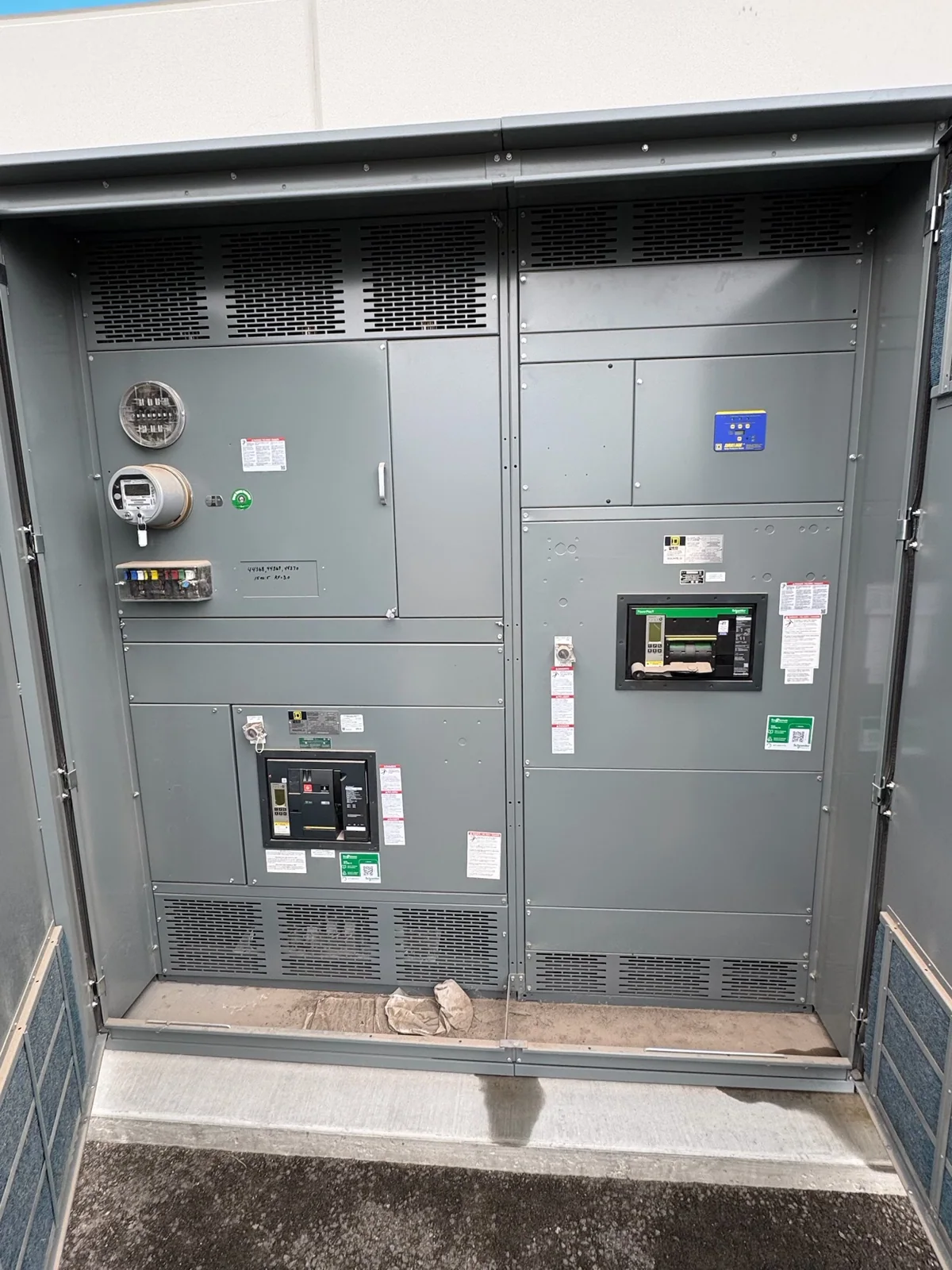
Condition notes should be observational and safe. Exterior photographs may show nameplates, doors, labels, enclosure damage, corrosion, water staining, missing covers and storage packaging. Existing records may disclose prior service, relocation, environmental exposure or known contamination. No seller testing is required. Do not open compartments, operate handles, remove covers, touch conductors or attempt to establish an energized or de-energized state. Qualified, authorized personnel must establish safe conditions and perform electrical and physical work.
Account for retained equipment and staged availability
Changeouts often happen in stages. Separate equipment available now from sections released after a later production or building milestone. For each stage, record the release description, owner contact and access approval still needed. A proposed date and outage window are coordination information, not guarantees.
Mark retained drives, shared controls, incoming feeders and communications hardware clearly. A drive may be mounted in an MCC while reserved for continued operation. A control transformer or interlock may serve adjacent equipment. The lot should identify these exclusions so retained items are not valued as available inventory. Confirm whether the facility, tenant, contractor, lender or another party has authority to release each item.
What can affect an offer
Evaluation may consider documented voltage and current ratings, manufacturer and series information, section and bucket count, completeness, condition, storage history, identifiable versus unknown items, and the effort needed to reconcile staged releases. It may also consider whether loose buckets are associated with the lineup, whether drives and controls are included, and whether ownership and release authority are clear. The business considers all voltage classes, but a low-voltage label should still be supported by available documentation.
An offer is not automatic, and no fixed price, compatibility conclusion or test result should be assumed before review. After agreement, payment is made upfront as agreed. The seller does not need to test the equipment. The buyer handles qualified disconnects, crane work, rigging, loading, freight and hauling; the seller is not expected to dismantle or remove the MCC. Site access, security, lift planning and outage coordination still need approval from authorized facility contacts.
Access planning that protects the defined lot
Share existing information about room access, doors, clearances, floor conditions, loading restrictions, hours and staged release areas. Safe exterior photographs can identify handling constraints. This supports coordination; it does not transfer removal costs or physical responsibilities to the seller. The buyer arranges qualified crews and transportation after release approval.
Common seller questions
- Which sections and bucket positions are included, and which must remain in service?
- What voltage, lineup current and manufacturer information appears on records or exterior labels?
- Are drives, shared controls, spare buckets, drawings and loose hardware included or retained?
- Is the equipment installed, stored, or released in separate phases?
- Who owns each portion and who can authorize access, disconnect coordination and release?
- Are there known missing parts, corrosion, water exposure, contamination or packaging concerns?
Begin with documents and safe exterior photographs. A boundary, unknowns and an inventory give a buyer a basis for evaluating low-voltage MCC changeout equipment without asking anyone to handle energized equipment.