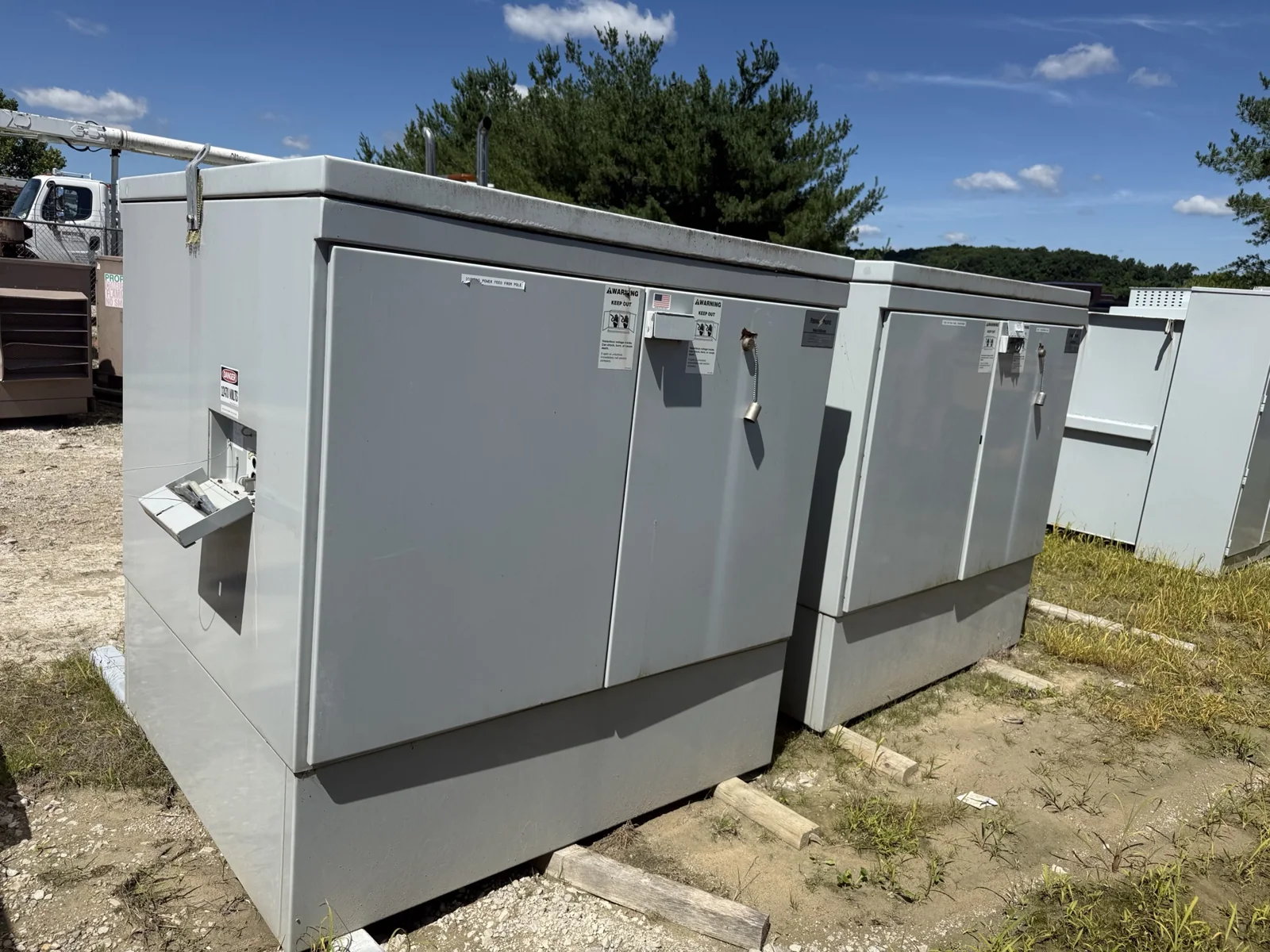
Define the phased release
Electrical equipment from a phased industrial closure is easier to evaluate when the proposed lot has a precise boundary. A hypothetical Ohio plant may stop one production area while another remains active, so everything in one electrical room is not automatically surplus. Organize the inventory by production area and release phase. Identify gear that continues to support boilers, compressed air, water systems, security, or another retained operation as excluded or retained.
The same approach can apply to a hypothetical data-center decommissioning or shut-down power plant with units released at separate milestones. The facility, schedule, address, and project facts are unknown unless the owner supplies them. This guide does not describe an existing local project.
Use records, not guesses
Begin with equipment schedules, one-line drawings, lineup directories, purchase records, and an approved decommissioning list. For each assembly, record manufacturer, identification or serial information, section count, documented voltage class, current rating, protective devices, enclosure description, and location. Transcribe nameplate and drawing language exactly. Do not infer a rating from cabinet size, a familiar brand, or breaker appearance.
A useful hypothetical entry could say: “Phase 2, finishing area, indoor lineup, five documented sections; main and feeder markings transcribed from the exterior nameplate; two removable devices in a labeled cabinet; control components present or unknown.” That preserves relationships that “one switchgear lineup” loses.
- Separate documented main, feeder, motor-control, distribution, transformer, busway, and panel categories.
- Match removable breakers, starters, relays, drives, fuses, covers, keys, and manuals to a section, or mark the association unknown.
- List missing doors, barriers, buckets, hardware, nameplates, and document sets rather than assuming completeness.
- Mark equipment reserved for a later phase, still operating, or owned by another tenant or organization.
Set ownership and release boundaries
Industrial sites may contain owner equipment, tenant improvements, utility assets, leased systems, and contractor-purchased items. Confirm who owns each asset and who can approve sale and access. A building owner’s consent does not automatically release a tenant motor-control center or utility service equipment. Record the responsible organization, approved lot description, retained boundary, and authorized contact.
For a hypothetical closure, Phase 1 could include a released packaging line and its dedicated distribution section, while the main service, fire-pump supply, and plant-wide controls remain needed until Phase 3. One consolidated pickup can reduce repeated mobilization, but only if every included area is released and access is coordinated. Staged releases may better fit milestones. Treat dates as proposed or unknown until approved.
Describe condition safely
Condition notes should distinguish exterior observations from assumptions. Record corrosion, dents, heat discoloration, water marks, visible insulation damage, missing covers, storage exposure, and packaging quality. Note whether equipment was installed, removed and stored, or never commissioned when records say so. Disclose known oil, chemical, asbestos-related, PCB-related, mold, or other environmental concerns; do not sample, disturb, or characterize an undocumented issue.
Request existing records and safe exterior photos only. Before sharing drawings or images, the owner should remove network information, security layouts, access codes, and other sensitive operational content. No seller-operated test is required. Sellers should not open compartments, operate devices, dismantle equipment, touch energized equipment, or attempt disconnection. Qualified, authorized personnel establish safe conditions and handle qualified disconnects.
Factors behind an offer
Evaluation considers documented ratings and configuration, completeness, manufacturer and device identity, condition, ownership clarity, and how the phase boundary affects the usable lot. A complete lineup with matched devices and drawings may be more actionable than a larger unidentified pile. A partial lot can still merit review when missing pieces and limitations are plainly recorded.
Timing and logistics also matter. Compare one pickup with staged releases using the number and size of sections, loading path, floor or dock restrictions, door dimensions, overhead clearance, staging space, crane needs, rigging points, and freight access. The buyer handles crane coordination, qualified disconnects, rigging, loading, freight, and hauling. The seller coordinates access approvals and discloses site requirements; removal costs are not shifted to the seller.
Practical inventory example
Hypothetical example: A three-phase closure list identifies Area A first, Area B after production ends, and plant utilities last. Area A contains a documented low-voltage distribution lineup, two motor-control sections, and separately stored drives. Area B contains a medium-voltage lineup shown in drawings, but one feeder-device association is unknown. Utilities remain excluded because they support continuing operations. The list should state each proposed or unknown phase date, authorized owner contact, installed-versus-stored status, and exact included boundary.
- Which sections, devices, spares, manuals, and accessories belong to each phase?
- Which equipment must remain in service until a later milestone?
- Who owns each asset and can approve sale, access, disconnect, and release?
- What documented ratings, nameplates, drawings, and maintenance records exist?
- Are environmental concerns, restricted areas, confidentiality limits, or water exposure known?
- Can one pickup be coordinated, or must releases be staged?
- What doors, docks, ceilings, floors, staging areas, escorts, and approval steps affect rigging and transport?
Coordinate the release
A strong submission separates facts, proposed milestones, and unknowns. Share a phase-by-phase inventory, ownership notes, document availability, and sanitized exterior views. Coordinate site approvals with authorized parties. After reviewing the lot, the buyer can make a cash offer; once the seller accepts and the sale is agreed, payment is made upfront before the agreed pickup, while the buyer’s team manages the agreed removal and transportation work. Clear records protect continuing operations and make phased industrial assets easier to review.