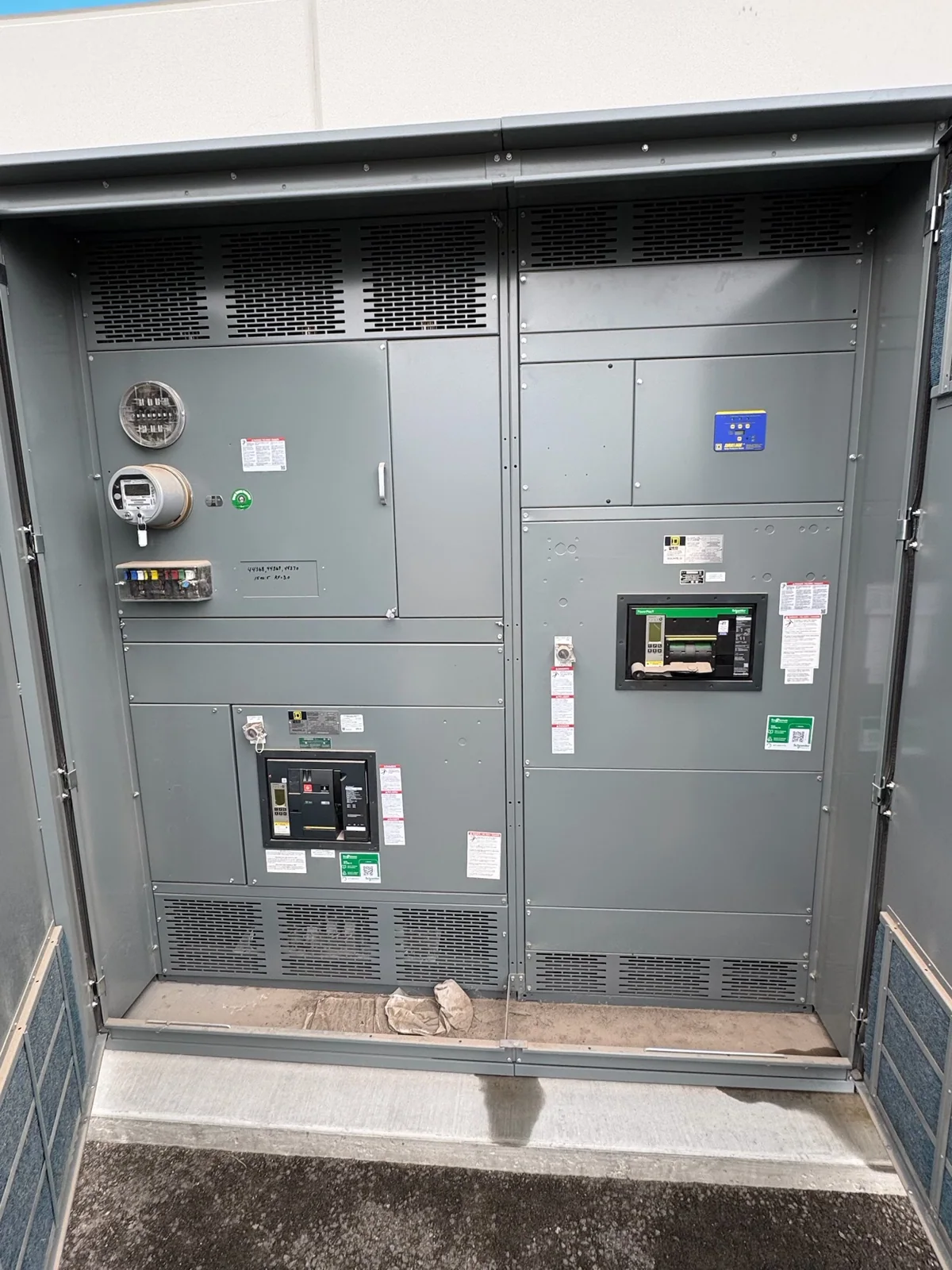
Define the physical lot before discussing value
Busway released during an industrial shutdown is easiest to evaluate when the sale boundary is described as a physical lot, not a rough count of rooms. Start with each documented run: its area identifier, approximate route, system name or series, visible nameplate information, and number of straight lengths. Record length by piece where documented, rather than assuming every section is interchangeable. List elbows, offsets, end pieces, joints, hangers, fire-barrier components, and tap-off units separately. A tap box is not simply another length; it has its own identity and condition.
A hypothetical plant shutdown might release a 160-foot overhead run serving a former production area, six elbows, two joint packages, and four tap units. That description is only an example, not a claim about an Ohio facility. If a second run in a warehouse has a different series or unknown length, keep it as a separate line item. This approach prevents an attractive total footage number from hiding mixed systems, missing fittings, or equipment that remains attached to another owner’s electrical path.
Use records and labels without making assumptions
Useful records include one-line drawings, busway schedules, removal plans, maintenance lists, purchase documents, and safe exterior photographs. Before sharing them, remove sensitive operational details, access credentials, and security information. A visible manufacturer name, series, voltage, ampere rating, phase or conductor description, enclosure type, and date code can identify the lot. Transcribe what is documented; do not infer voltage class or compatibility from appearance.
Separate installed material from loose inventory. A pallet of joint covers, a cabinet of tap-off units, or spare straight sections may belong to the same project, but that relationship should be supported by tags, schedules, or owner records. Note whether an item is identified, partially identified, or unknown. If a drawing shows ten tap units but only seven are located, report seven present and three unlocated rather than presenting ten as available.
Describe completeness and condition carefully
For each run, identify the pieces that make it a documented assembly: straight sections, bends, joints, end closures, supports, covers, and tap units. State missing parts and pieces reserved for another system. Packaging matters. Indoor stored busway is different from material exposed to roof leaks, process dust, impact, or outdoor storage. Record visible dents, corrosion, damaged housings, bent covers, missing hardware, water marks, or contamination from existing reports and safe exterior observations.
Known environmental issues should be disclosed plainly, including reported oils, chemicals, residue, suspect insulation debris, or a regulated-material concern. Do not sample, open, operate, or test equipment for this evaluation. Seller-operated testing is not required. A qualified, authorized team establishes safe conditions and handles qualified disconnection; no seller should approach energized equipment or dismantle a run to improve an offer.
Ownership, milestones, and controlled release
Decommissioning can involve several boundaries: the facility owner, a tenant, an electrical contractor, a lender, or an owner of stored surplus. Confirm who has authority to sell each section and whether a utility, landlord, insurer, or project manager must approve release. In a hypothetical tenant departure, busway serving an occupied neighboring area may remain outside the lot even if it shares a corridor. Mark retained equipment, disputed ownership, and unknown boundaries.
Give the project milestones that affect availability: shutdown date, isolation and qualified-disconnect phase, clearance for removal, building access dates, and the final deadline for loading. Staged release is acceptable when each stage has its own list and expected date. Access approvals are a coordination item, not a request for the seller to absorb removal work. The buyer handles crane needs, qualified disconnects, rigging, loading, freight, and hauling after agreement; the site still needs an authorized contact to coordinate entry, escorts, outage records, and loading-hour restrictions.
What influences an offer
Value depends on more than footage. Documented identity, consistent components, complete fittings, traceable tap units, dry storage, and a realistic release window can improve evaluation confidence. Missing joints, mixed series, corrosion, uncertain ownership, restricted access, unusual dimensions, contamination, and a long gap before pickup can reduce it. The buyer considers all voltage classes.
Physical access also matters. Note overhead elevation, aisle width, door and dock dimensions, turns, obstructions, crane setup limits, and controlled areas. These facts help plan rigging and freight; they do not require the seller to move or dismantle anything. After reviewing the lot, the buyer can provide a cash offer; once the seller accepts and the sale is agreed, payment is made upfront before the agreed pickup according to the agreement.
Practical inventory example and seller questions
A useful hypothetical inventory might read: “Area A overhead run, documented 600-amp system, twelve straight sections with recorded lengths, two elbows, six joints, three tap-off units, hangers present but quantity unverified; Area B, four stored straight sections, series unknown, one dented cover; loose items include two tagged joint kits and one untagged tap unit.” Add the record source, condition, ownership status, and release stage for every line.
- Which sections, fittings, tap units, hangers, and spares are included, and which remain in service?
- What manufacturer, series, voltage, ampere rating, lengths, and labels are documented?
- Where is each item located, and what are the overhead, door, dock, aisle, and crane-access constraints?
- Who can authorize sale, qualified disconnection, site entry, and each staged release?
- What damage, moisture, contamination, environmental concern, or missing component is already known?
Clear answers let a buyer evaluate the physical lot rather than an assumed system. Send records and safe exterior views only, identify unknowns, and keep active electrical work with qualified authorized personnel.