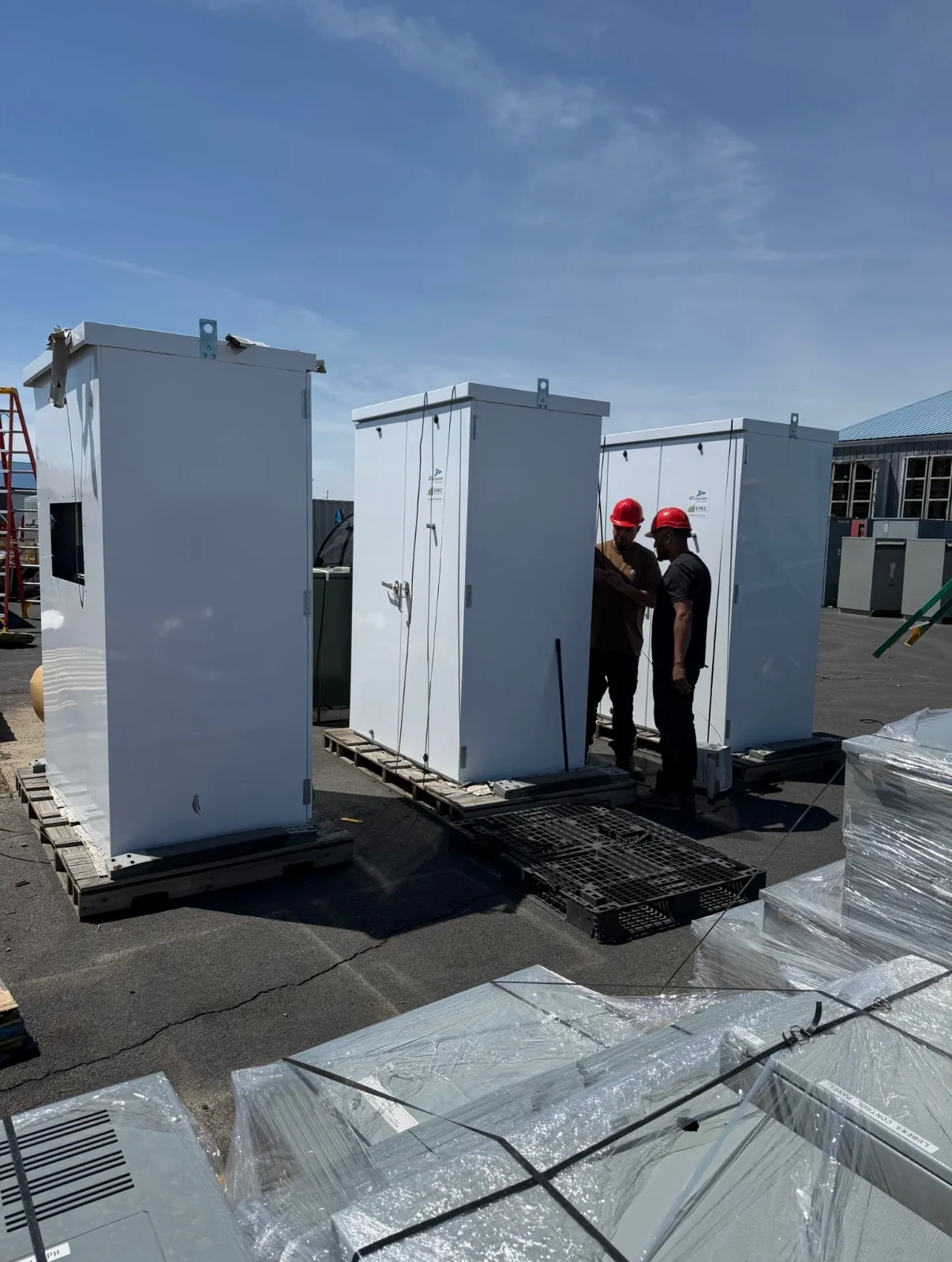
Sell GE MCC Lineups and Buckets in Ohio
GE-marked motor control center equipment can be valuable surplus when its identity, ratings and release boundary are documented. A lineup may include vertical sections, occupied starter positions, spare buckets, controls and blank or reserved spaces that are not interchangeable for valuation. This guide is for Ohio owners, operators, contractors and asset managers, including those handling equipment from a decommissioned data center or shut-down power plant. The buyer considers all voltage classes. A seller does not need to test, energize, open or dismantle anything.
Identification and documentation
GE is a marking to verify on each item, not proof of affiliation, authorization, condition or compatibility. Start with the lineup nameplate and section labels, recording wording exactly as shown. Useful fields include manufacturer marking, lineup or section identifier, documented voltage, bus or current information, enclosure description, section count and any legible date or serial information. Do not supply a catalog number from memory or infer a rating from cabinet size.
Existing one-line drawings, equipment schedules, purchase records, inspection notes and removal plans can explain intended service. Compare them with what remains visible; do not assume every listed component is present. Safe exterior photographs of each section, its nameplate and closed bucket fronts can help. Take photos only from a permitted safe location without touching equipment.
Record ratings without guessing
Ratings belong to specific items. Lineup or vertical-bus information is not automatically the rating of every starter bucket, feeder device or control transformer. Capture documented voltage and current wording for the assembly and, separately, each visible bucket or device where a label provides it. If a rating is faded, obscured, absent or inconsistent with an older schedule, mark it unknown.
This matters when a lot contains mixed sections or buckets collected over time. A stored unit may carry a GE marking yet have no verified association with the installed lineup. Physical fit does not establish electrical compatibility. A precise record of uncertainty is more useful than an assumption.
Completeness and retained controls
Use the bucket schedule as a checklist. For every section, note occupied positions, empty positions, blank covers, installed starters, feeder units, drives or other controls, and positions reserved for a process function. Compare that list with separately stored buckets and loose parts. List each bucket by its own visible identity and documented rating; do not simply add it to the section count.
- Count vertical sections individually and identify their order or labels.
- List every occupied position as present, absent or not confirmed.
- Separate spare buckets, doors, covers, fuses, relays and loose hardware from installed equipment.
- Flag missing, damaged, modified or unidentified components.
- Mark retained process controls, PLC-related items, network hardware or interlocks excluded from the sale.
Hypothetical inventory: three GE-marked sections, nine occupied positions, two stored buckets with unverified ratings, one missing front, and a retained process-control enclosure. This distinguishes observed items, documented items and unknowns; it does not claim the stored buckets fit.
Condition and potential offer factors
A potential offer can reflect completeness, documented ratings, visible condition, quantity, configuration and safe-handling complexity. Note exterior corrosion, dents, water marks, damaged paint, missing doors, bent hardware, broken windows, altered labels and storage exposure from a safe exterior view. State whether sections are installed, palletized, crated or loose, and whether bucket fronts or accessories are packaged separately.
Keep condition factual: “exterior damage visible on the lower door” is better than calling equipment refurbished or operational without evidence. The buyer does not require seller testing. Do not operate devices or expose energized parts to improve an evaluation. Unknown internal condition remains unknown until qualified personnel establish a safe, authorized process.
Define the release boundary
Identify who owns the lineup and which items are available. A plant shutdown or data-center decommissioning may leave adjacent distribution equipment, spare controls, communications hardware or process machinery in place. Separate the proposed MCC lot from assets that must remain, equipment serving another tenant and controls retained for future use. If release is phased, list sections and buckets for each phase rather than combining them into one undated count.
Access approvals, outage coordination, security rules, environmental requirements and a site contact affect planning. These are coordination matters, not a request for the seller to perform removal. After agreement, the buyer handles crane needs, qualified disconnects, rigging, loading, freight and hauling. The seller can identify permitted access windows and ownership approvals without opening, dismantling or handling energized equipment.
Checklist for an Ohio evaluation
- Provide the general location, ownership contact and authorized release date or window.
- Share the lineup schedule, one-line drawing and available decommissioning records.
- Give exact visible GE markings and documented voltage, current and section information for each item.
- Give section counts, occupied positions, spare-bucket counts, missing components and retained controls separately.
- Describe storage, exterior condition, packaging, floor access and restrictions without attempting a test.
- Identify exclusions, unreleased items and unresolved facts.
With this information, the buyer can evaluate a defined lot rather than a cabinet count. After agreement on equipment and release terms, payment is made upfront as agreed, while qualified personnel manage safe disconnect and physical recovery. The useful first submission is a careful record of markings, ratings, completeness, condition and boundaries—not a claim that any GE-marked bucket is automatically compatible or ready for service.