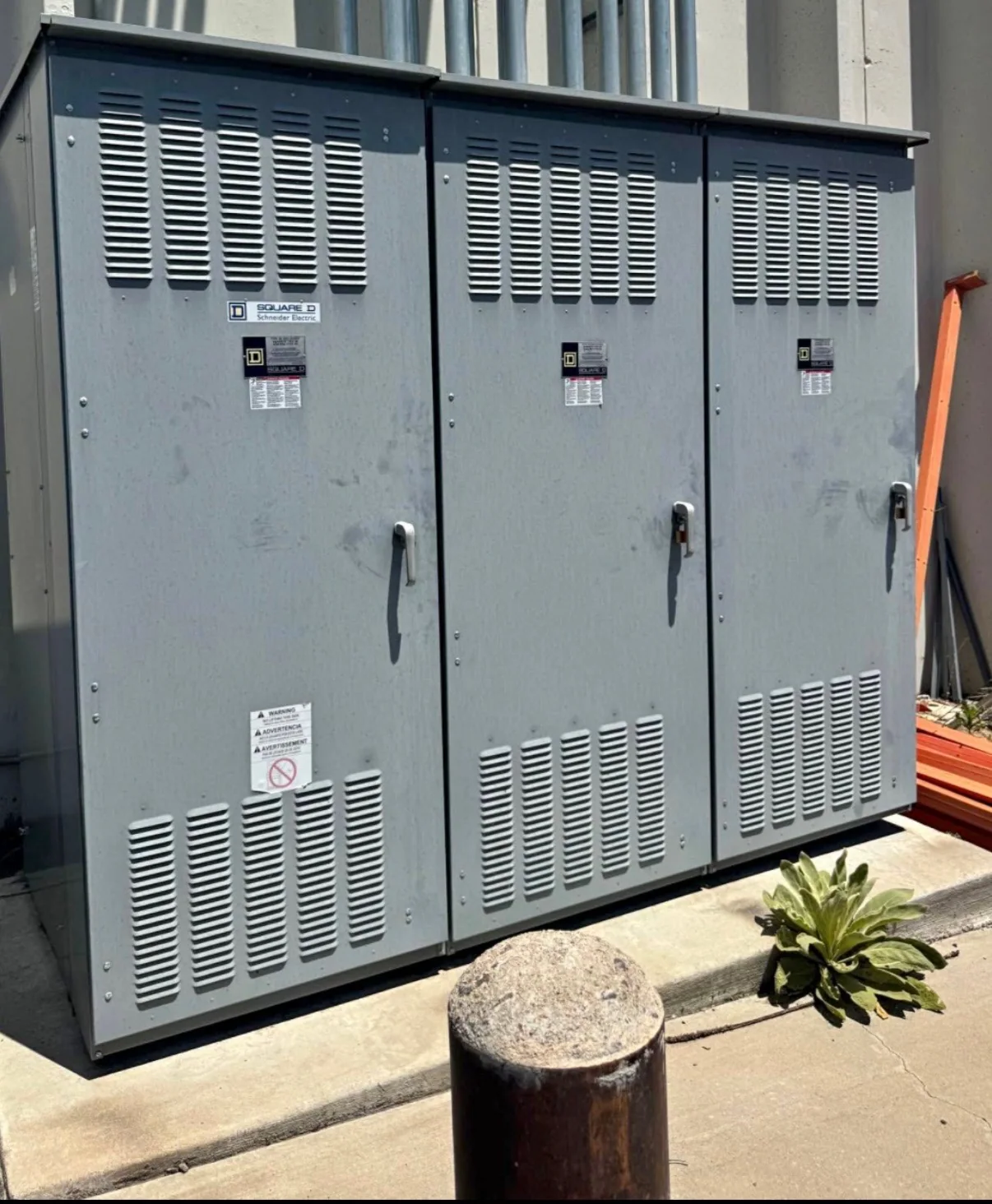
Start with the actual Eaton MCC changeout lot
An Eaton marking is a useful starting point, not a conclusion about affiliation, authorization, model compatibility, price, or condition. For an Ohio changeout, the practical question is what can be released as one identifiable lot. A vertical MCC section, its installed or loose buckets, and separately stored controls should be listed as distinct items. Do not combine every enclosure in the electrical room simply because it looks similar.
Hypothetical sale situation one: a manufacturing facility replaces several Eaton-marked MCC sections while one adjacent section continues serving an active process. The sale lot might include two released vertical sections and six removable starter buckets, while the retained section, its feeder, and any shared control circuit remain outside the sale. That boundary should come from the owner’s records and authorized personnel, not from a guess based on paint, labels, or physical proximity.
Hypothetical sale situation two: a shut-down power plant has a changeout inventory staged in an electrical room. Three Eaton-marked sections are tagged for release, but four loose buckets sit on a rack with incomplete labels. Those buckets may belong to the released lineup, may be spares, or may be unrelated. Treating the relationship as unknown is more useful than promising a complete package.
Identification and documentation that clarify value
Share an existing section schedule, one-line drawing, bucket schedule, demolition or changeout list, and any ownership or release records available. The useful fields are the marking visible on each section and bucket, section designation, documented voltage and current information, starter or feeder function, bucket quantity, enclosure type where recorded, and any drives or controls included in the lot. If a label is unreadable, say so. If a document conflicts with an exterior label, preserve both observations and identify the conflict for review.
Record each vertical section separately rather than reporting only a total lineup length. A schedule may show an empty or reserved bucket position that is not an included device. It may also reveal a control power or interlock circuit shared with equipment that will remain active. That shared circuit matters: a section cannot be represented as independently releasable merely because its front doors appear separate. Existing records can establish the proposed boundary without asking the seller to operate, open, dismantle, or test anything.
Completeness and condition without seller testing
Mark each item as present, documented but not located, or not confirmed. For each section, note visible labels, bucket fronts, covers, control components, loose accessories, and damage such as corrosion, water evidence, impact marks, cut conductors, or storage exposure. A clean exterior does not prove internal condition. Do not open compartments or establish electrical safety.
When authorized, safe exterior photographs can show nameplates, fronts, bucket labels, storage condition, and the access route. Maintenance records or packing lists may explain loose buckets or incomplete sections. No seller testing is required; qualified authorized personnel establish isolation and safe conditions before disconnect or removal.
What can affect a potential offer
Evaluation may reflect identifiable sections, documented ratings, bucket functions, lot completeness, and whether loose components associate with a particular section. Eaton-marked equipment can vary by generation, configuration, and application, so compatibility must be verified. Consistent schedules reduce uncertainty; shared controls, missing buckets, severe corrosion, or an unclear boundary can reduce useful value.
Release status is also material. Equipment retained for an active process should not be counted as available, even if a changeout is planned nearby. Conversely, a decommissioned data center or shut-down power plant may contain sections, buckets, and controls released at different times. State what is available now, what depends on an outage or owner approval, and what remains unknown. After reviewing the lot, the buyer can provide a cash offer; once the seller accepts and the sale is agreed, payment is made upfront before the agreed pickup, with the precise arrangement following the sale terms.
Worked inventory checklist and release planning
Example checklist for an evaluation
- Section A: Eaton marking visible; section designation recorded; documented voltage and current fields attached; four bucket positions, three buckets visibly present, one position not confirmed.
- Section B: Eaton marking visible; feeder function shown on the existing schedule; two buckets listed; one control assembly appears shared with a retained section and is excluded pending authorized confirmation.
- Loose inventory: six bucket fronts and two control items photographed externally; association with Sections A or B unknown; no compatibility assumed.
- Records: changeout schedule, ownership confirmation, release date or window, known missing-component list, and contact who can approve access.
Access is coordinated with the owner, facility representative, and required site process. Provide loading restrictions, door and aisle dimensions if known, floor or dock information, access hours, and whether equipment is indoors or staged. The buyer handles crane needs, qualified disconnects, rigging, loading, freight, and hauling; the seller is not asked to dismantle or transport the MCC. Access approvals are coordination, not a transfer of removal costs to the seller.
For an evaluation, send the section schedule, available records, safe exterior photos, confirmed ownership, and the proposed release boundary. Identify every active-process section that must remain and every shared control circuit still serving it. Those details let a buyer distinguish a complete released lot from a partial changeout while keeping unknown facts explicit and safety responsibilities with qualified authorized personnel.