1. Start with the documented equipment identity
A 4,160-volt label is an important starting point, not a complete description. For an Ohio evaluation, copy the full existing voltage marking exactly as it appears on the nameplate, drawing, or equipment schedule. Include phase information, frequency, current, interrupting or withstand information, and multiple voltage values only when those details are actually documented. Do not expand an abbreviated label from memory. A single number cannot establish the construction, suitability, or operating state of a lineup.
Count the lineup sections and describe their apparent roles without opening compartments: incoming sections, bus-tie or tie sections if documented, outgoing feeder sections, metering sections, and any separately stored breakers. Record manufacturer and identification numbers when visible from a safe exterior position. If a transformer is part of the proposed lot, keep its primary and secondary markings separate. A 4,160-volt primary does not make the secondary a 4,160-volt circuit, and neither marking should be substituted for the other.
2. Build a usable inventory before discussing value
The strongest inventory connects each component to a defined lot boundary. List every lineup section by its visible designation, then list incoming and outgoing devices associated with that section. Identify breaker spares separately rather than adding them to the installed count. A loose breaker may belong to a particular section, may be an unmatched spare, or may have an unknown association; state which fact is documented and which remains unknown.
Hypothetical inventory example
Hypothetical example only: an Ohio facility may report one documented 4,160-volt lineup with four visible sections, two incoming devices, three outgoing feeder devices, one tie position shown on a drawing, and two stored breaker spares. The inventory should say whether each spare is tagged to a section, whether the tags are legible, and whether the drawing and exterior labels agree. It should not claim that the lineup is complete or suitable for reuse. If a transformer is nearby, list its documented primary and secondary values as a separate item instead of folding it into the switchgear count.
3. Describe condition without testing or operating anything
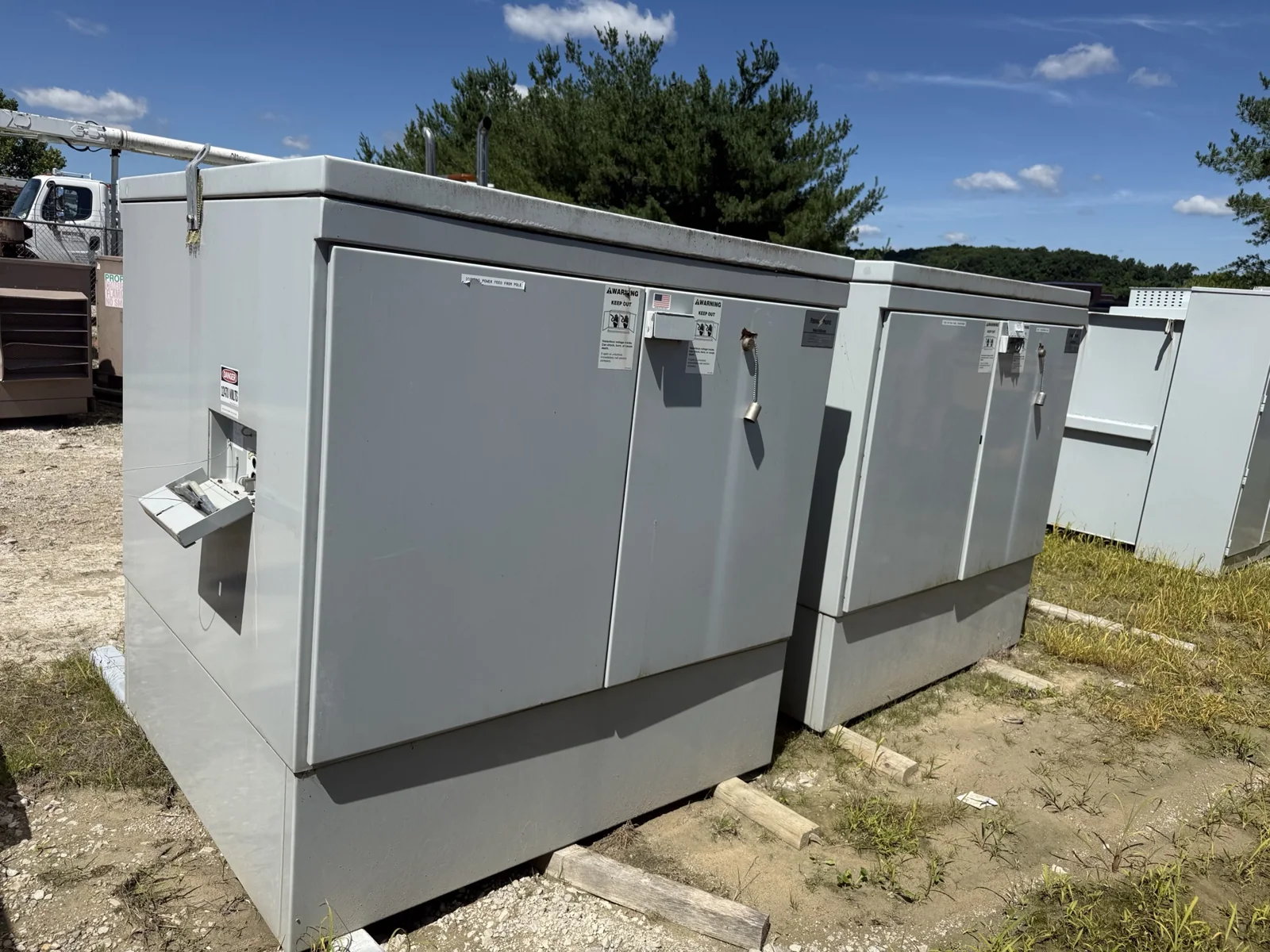
Provide existing records and safe exterior photos only. Useful records can include nameplate transcriptions, one-line diagrams, section schedules, storage logs, prior inspection paperwork, ownership records, and photographs already held by the facility. Exterior images can show labels, doors, enclosure finish, shipping braces, stored-device tags, visible impact, corrosion, moisture evidence, or missing covers. They should never require a seller to open a compartment, remove a panel, operate a mechanism, approach energized parts, or perform a test.
Explain what is known about storage and service history, while marking unknown conditions plainly. A switchgear lineup from a decommissioned data center may have a different documentation trail from equipment released during a shut-down power plant, yet neither setting proves condition by itself. Known contamination, fire or water exposure, long-term outdoor storage, missing hardware, or separated devices can affect evaluation. The buyer does not require the seller to test the equipment. Qualified, authorized personnel establish safe conditions and handle any necessary disconnection.
4. Understand the factors behind an offer
Appearance alone does not establish operating condition. The evaluation may change when records are missing, a lineup is incomplete, transformer markings are confused, or ownership and utility boundaries are unresolved. The business buys equipment rather than sells it, considers all voltage classes, and can review 4,160-volt switchgear without inferring compatibility with another system.
5. Confirm ownership, access, and release authority
Before agreement, identify the owner of the switchgear, any landlord or utility interest, and the person authorized to release it. Clarify whether the lot is installed, staged in a warehouse, or part of a shutdown inventory. For a decommissioned data center or shut-down power plant, identify retained equipment, the proposed release date, required badges or escorts, truck restrictions, loading hours, and any site safety or environmental coordination. These are planning facts, not assumptions about a particular Ohio site.
After agreement, payment is made upfront as agreed, before the coordinated release. The buyer handles the crane, qualified disconnects, rigging, loading, freight, and hauling; the seller is not asked to arrange or fund those removal activities. The seller does need to coordinate access approvals and provide accurate information about the route, staging area, site contact, and authorized release window. Do not move, dismantle, energize, or prepare the equipment beyond the seller’s normal authority.
6. Ask focused questions before release
- What is the complete documented voltage marking, including phase or multiple values, and where does each value appear?
- How many lineup sections, incoming devices, outgoing devices, ties, and separately stored breakers are included?
- Which breaker spares have a documented lineup or section association, and which associations are unknown?
- Are transformer primary and secondary markings recorded separately, if a transformer is included?
- What records and safe exterior photos are available, and what condition issues are already known?
- Who owns the equipment, who can authorize release, and what access approvals or release window must be coordinated?
Clear answers let the buyer define the lot before arranging removal. If a fact cannot be verified safely, label it unknown rather than guessing. Once ownership, documentation, condition observations, and access are aligned, the buyer can make a cash offer and, after agreement, coordinate a controlled release without asking the seller to test or handle energized 4,160-volt equipment.