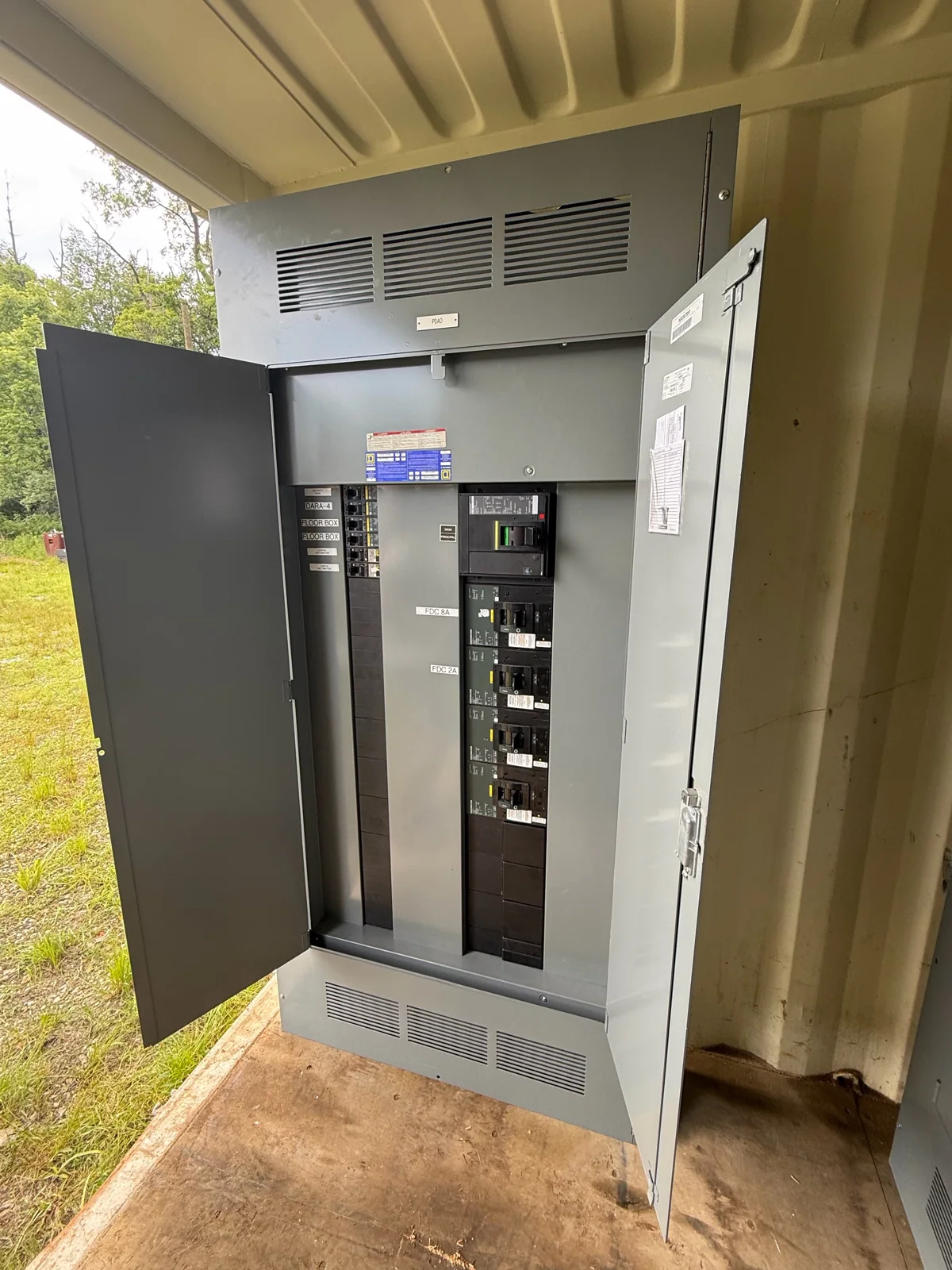
Define the 12,470-volt lot before discussing value
A 12,470-volt label is a starting point, not a complete description of a sale. The physical lot may include a connected lineup, loose breakers, instrument transformers, control cabinets, bus sections, spare parts, or equipment that must remain in service. A buyer can consider equipment from any voltage class, but each item must be evaluated on its own documented identity rather than on an assumed match.
Copy the complete existing voltage marking from the nameplate or record. Include phase information or multiple voltage values only when they are actually documented. If a transformer is nearby, distinguish its primary marking from its secondary marking; do not treat one transformer number as the rating of the switchgear. A single number also does not prove construction, compatibility, energized status, or suitability for another installation.
Build an inventory that follows the lineup
Count each lineup section and describe its position using the site’s existing labels, such as incoming, tie, main, feeder, or outgoing. Record the documented manufacturer, voltage, current, serial information, protective-device identification, and any visible section designation. Do not substitute an enclosure dimension or a familiar brand name for missing electrical documentation. A photo of a safe exterior label can help preserve what is visible without requiring anyone to open a compartment.
Include loose devices and spares separately. A removable breaker stored beside a lineup is not automatically a spare for every section, and a bucket or relay with an attractive label may belong to another assembly. Note the quantity, label, storage location, and documented association for each loose item. Also identify cable terminations, shutters, covers, control wiring, batteries, and accessories only when the records or exterior view establish that they are part of the offered lot. Unknown should remain unknown instead of becoming an assumption.
Hypothetical inventory example
Hypothetical example: a shutdown facility reports one lineup with two documented incoming sections, one tie section, four outgoing sections, and two separately stored devices. The records show 12,470 volts for the assembly but show a different documented value on a nearby transformer secondary. The seller should list the lineup sections, identify which incoming or outgoing devices are present, and mark the two stored devices as “association to be confirmed.” If one section is retained for a staged outage, it belongs outside the released lot until the authorized release is established.
Condition is more than a clean exterior
Describe observable condition without touching, operating, dismantling, or testing the equipment. Safe exterior photos may show nameplates, doors, labels, paint loss, corrosion, impact marks, missing covers, water staining, packaging, or obvious storage damage. Existing records can add context, but they do not replace a qualified assessment of safe conditions.
Tell the buyer whether the lineup is installed, palletized, covered, indoors, outdoors, or distributed across rooms. Mention known contamination, flooding, fire exposure, freezing, or prolonged open storage when supported by records or direct knowledge. Do not ask the seller to energize, de-energize, open, or prove operation. Qualified, authorized personnel must establish safe conditions and handle any required disconnection.
Offer factors and ownership boundaries
Valuation can change with completeness, documented identity, section count, device association, storage condition, physical accessibility, and the difference between a complete lineup and a parts lot. A clearly identified incoming section with its documented device may be more useful than an attractive but unverified collection of loose components. The number 12,470 alone cannot establish a price, condition, or future application.
Confirm ownership before treating equipment as surplus. A facility owner, tenant, lender, utility, contractor, or another party may control different portions of an electrical system. In a staged outage, identify the equipment that remains required for the next operating phase and the equipment that is actually released. A planned replacement does not automatically transfer ownership or make adjacent transformer, metering, or utility-side assets available.
Release, access, and freight coordination
Share the expected release date or window, outage constraints, site contact, access approvals, loading hours, and any restrictions on trucks or lifting equipment. These details coordinate the transaction; they do not shift removal costs or technical duties to the seller. After agreement, the buyer handles the crane, qualified disconnects, rigging, loading, freight, and hauling. Seller coordinates authorization and access; no dismantling.
Indoor lineups may require a documented travel path, door clearances, floor protection rules, escorts, or a planned sequence around retained gear. Outdoor equipment may involve gates, surfaces, weather exposure, or utility boundaries. Avoid promising a timeline until actual release and access requirements are known.
Questions that make the lot reviewable
- What complete voltage, phase, current, and manufacturer markings are documented on the assembly and its devices?
- How many sections, incoming devices, outgoing devices, ties, controls, and separately stored spares are included?
- Which equipment is retained during a staged outage, and who authorizes the final release?
- Is the equipment customer-owned, tenant-owned, utility-owned, or subject to another party’s approval?
- What records exist, and what exterior labels or conditions can be photographed safely?
- Where is each piece located, and what access approvals or loading restrictions must be coordinated?
Once ownership, identity, condition, completeness, and release boundaries are clear, the buyer can evaluate the lot on its actual evidence. The buyer can then make a cash offer; if the seller accepts and the parties agree to the sale, payment is made upfront before the agreed pickup. No seller testing is required; the buyer’s qualified team manages the safe release and physical removal process.