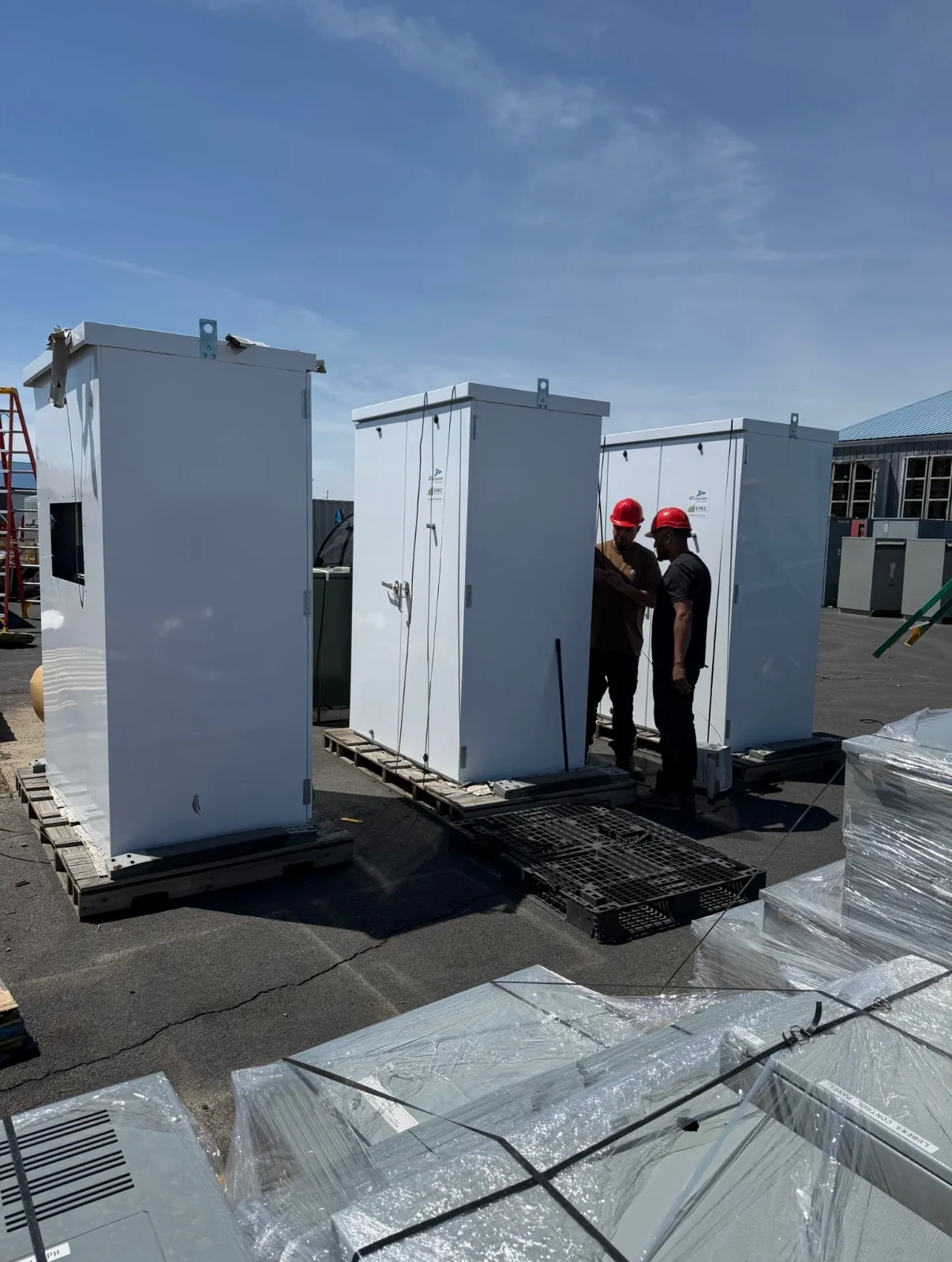
Start with the records, not an assumed voltage class
A 13,800-volt label can be an important starting point, but it is not a complete description of a switchgear lot. For an evaluation in Ohio, send the clearest existing equipment schedule, lineup drawing, nameplate transcription, purchase record, or decommissioning list available. Copy the complete documented voltage marking, including phase information or multiple voltage values only when those values actually appear in the records. Do not round a number, replace a line-to-line notation with a guess, or treat a nearby transformer number as the switchgear rating.
The schedule may identify a main or incoming section, outgoing feeder sections, protective devices, and spare positions. It can also show whether a device is installed, separately stored, reserved, or removed. A single number cannot establish construction, suitability, or operating state. An uncertain marking is better reported as unknown than “corrected” by assumption.
Build an inventory that someone can reconcile
Count the lineup sections individually and preserve the order used by the drawing or schedule. Identify the incoming section, each outgoing device position, tie or auxiliary section when documented, and any loose breakers, fuses, relays, control components, or other spares that are proposed for the same sale. A section count without device information leaves too much uncertainty; a pile of device names without section associations is difficult to value.
Hypothetical inventory example
Hypothetical example only: an owner might report one documented 13,800-volt incoming section, three feeder sections, one bus-tie position shown on the schedule, and two separately stored protective devices whose original positions are identified in the records. The report should say whether those devices are physically present, whether the schedule calls them spare, and whether covers, hardware, control wiring, and documentation remain with the lot. It should not claim that the equipment is complete merely because the lineup looks intact from outside.
- Record the manufacturer and all legible assembly and device labels without inferring a model or compatibility.
- Separate installed sections from stored breakers or accessories, and note the documented association for each loose item.
- List missing, reserved, retained, or unknown components rather than pooling them into one total.
Keep transformer markings in their proper place
Where a transformer is nearby or included in a shutdown inventory, distinguish its primary marking from its secondary marking and identify which side the 13,800-volt switchgear serves, if the records say so. Transformer primary and secondary values do not prove the switchgear's complete design or establish an operating condition. The same caution applies to a feeder label, a drawing note, or a breaker faceplate viewed by itself. Existing schedules are especially useful because they can connect sections and protective devices without requiring anyone to open a compartment.
Describe condition from safe observations
Condition affects evaluation, but sellers do not need to test, energize, operate, open, dismantle, or touch the equipment. Provide safe exterior photos only: overall lineup views, visible nameplates, doors and covers, labels, corrosion, water staining, missing hardware, and packaging. Identify unknown history. A photograph cannot verify internal cleanliness, insulation performance, interlock function, or breaker operation.
Useful records include maintenance notes, inspection reports, outage or decommissioning paperwork, shipping lists, and the latest equipment schedule. If a shutdown plant or decommissioned data center generated the lot, explain which items were removed together. Do not describe unverified equipment as tested, reconditioned, operational, or ready for reuse.
Offer factors and ownership boundaries
Valuation may reflect the completeness of the lineup, documented voltage and current information, manufacturer and device identification, section count, matching spares, physical condition, storage protection, record quality, and the effort needed to reconcile unknowns. It also depends on whether the seller can convey clear ownership. Confirm that the proposed lot belongs to the seller and is not utility-owned, leased, consigned, retained for another building, or subject to a lender, landlord, demolition contractor, or project restriction.
A credible offer follows the defined lot and its supporting evidence, not an invented model number or assumed market price. After agreement, payment is made upfront and the buyer handles crane coordination, qualified disconnects, rigging, loading, freight, and hauling.
Coordinate release and access without shifting removal work
Share the authorized contact, ownership approval, release date, outage or shutdown window, loading-area rules, escort requirements, security approvals, and any limits on truck or crane access. These details coordinate a safe release; they do not transfer crane, rigging, loading, freight, or hauling responsibilities to the seller. Qualified, authorized personnel establish safe conditions and handle disconnection. If a site remains active, identify the boundary between equipment being released and equipment that must remain in service, using records rather than visual proximity.
For a hypothetical 13,800-volt plant shutdown, the owner might have an approved equipment schedule but two release dates: one for the lineup and another for stored spares. The scenario is hypothetical; the actual facility, approvals, and timing remain unknown until documented.
Questions to answer with the submission
- How many lineup sections, incoming or outgoing devices, and separately stored spares are included?
- Which transformer primary and secondary values are documented, if a transformer is part of the records?
- What is visibly missing or damaged, and how has the equipment been stored?
- Who owns the equipment, who can authorize release, and what items must remain?
- What records, safe exterior photos, access approvals, and release dates can be shared?
What voltage, phase, current, and manufacturer markings are documented?
Clear answers separate known facts from open questions.