Sell 4,000-Amp Switchgear in Ohio
A 4,000-amp label can describe one part of a switchgear lineup, not the entire lineup or every breaker inside it. Start with a careful inventory of what the equipment actually says. This buyer considers all voltage classes, including equipment released from decommissioned data centers and shut-down power plants. Document what is known, identify what is uncertain, and do not operate or test anything for the seller.
Find the component that carries the rating
Use safe exterior labels, nameplates, schedules, one-line drawings, and other existing records. Ask which actual component bears the 4,000-amp designation: the main bus, a service section, an incoming device, a tie, or another assembly element. Record complete visible wording rather than reducing it to “4,000 amps.” Continuous current, interrupting rating, and trip settings are different values. A 4,000-amp bus rating does not establish that each feeder device is 4,000 amps, and a breaker’s rating must not be inferred from its position.
Voltage is equally important and should come from documentation or a legible exterior label, not appearance. Note manufacturer, lineup identification, section numbers, construction designation if documented, and drawing references. If a value cannot be confirmed without opening equipment or energizing it, leave that value unknown.
Build a section-by-section inventory
Count complete lineup sections and identify their order where records make that possible. Include incoming devices, outgoing devices, bus-tie or auxiliary sections, metering compartments, control sections, and removable breakers or other devices stored separately. List spare devices individually and state whether a schedule identifies their original section. A loose breaker should not automatically be represented as installed equipment or as a match for an adjacent compartment.
- Record each section’s exterior label, approximate height, width, depth, and any documented shipping or lifting restriction.
- Separate main, tie, feeder, protection, metering, and empty or reserved sections in the count.
- Describe included covers, barriers, shutters, control components, relays, hardware, and loose parts only when records or safe visual review support that description.
- Mark missing, unidentified, retained, or inaccessible items explicitly instead of pooling them into a single total.
Hypothetical example: A former data-center inventory might show six lineup sections, one documented 4,000-amp incoming section, two outgoing sections with different device ratings, one tie section, and three separately stored breakers. That example does not establish a compatible lot or actual Ohio inventory. The evaluation would need labels, schedules, dimensions, ownership authority, and confirmation of included items.
Completeness and condition affect the evaluation
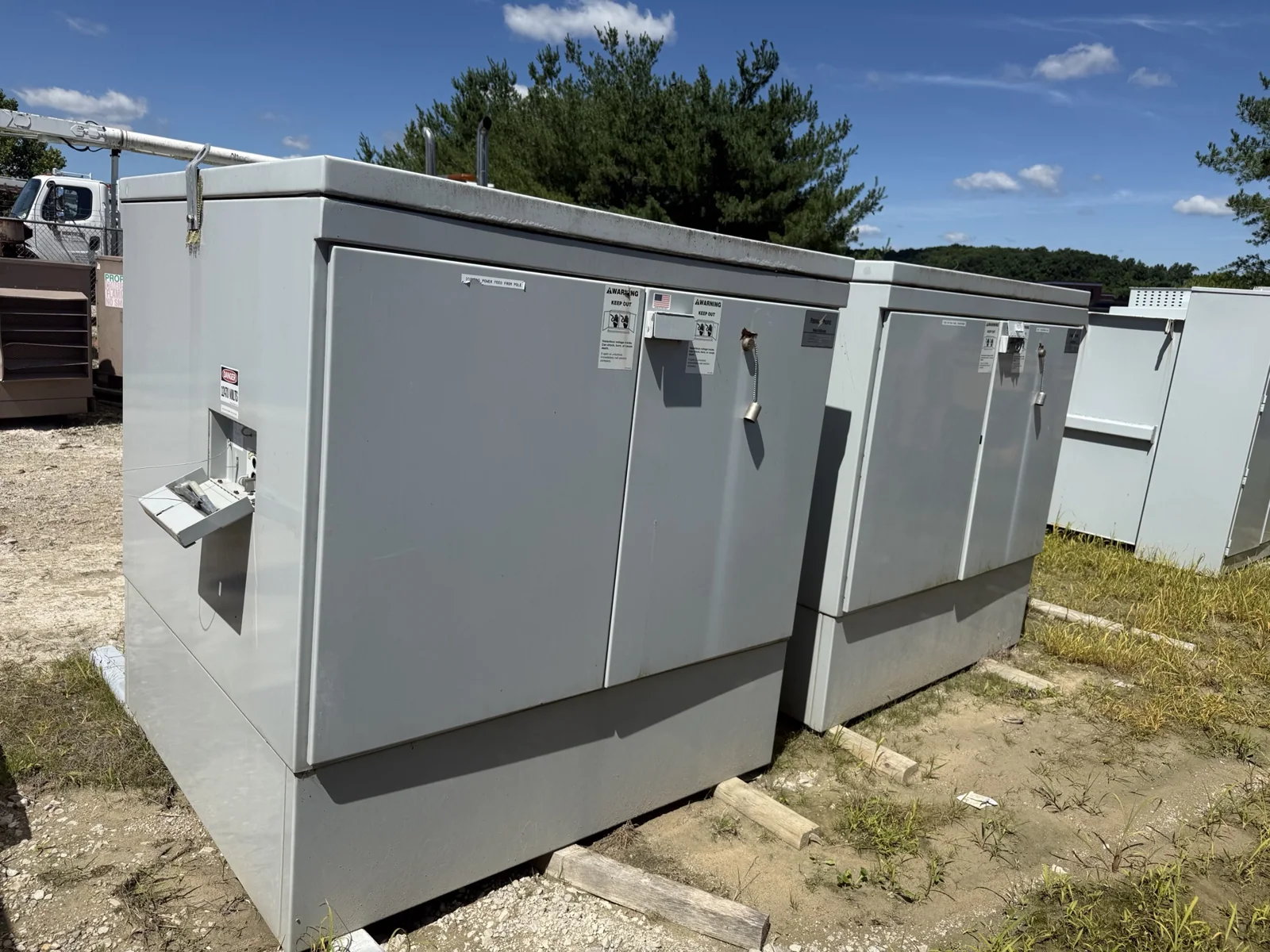
Completeness is more than a section count. Explain whether the lineup is intact, partially removed, stored in separate rooms, or being released in stages. Note visible dents, corrosion, water marks, damaged paint, missing doors, exposed components, bent hardware, packaging condition, and separated parts. Safe exterior photographs can show labels and condition; sellers should not open compartments, touch equipment, remove covers, or attempt a test.
Existing schedules can also reveal a phased release. For example, a shut-down plant may release the main and several feeders first while retaining another section until a later authorization. Treat those dates as separate release points rather than promising one pickup. Unknown interior condition, unknown accessory completeness, and an unverified breaker-to-section association should remain plainly identified as unknown.
Ownership, release, and offer considerations
Before an offer is finalized, clarify who owns the equipment and who can authorize its release. A landlord, tenant, lender, utility, plant owner, or successor may have different interests; no ownership assumption should be made from location alone. Identify the authorized contact, exact sale boundary, retained equipment, and access approvals.
Potential offer factors include documented ratings, manufacturer and configuration, complete sections, verified device matches, condition, spare availability, storage environment, staging complexity, dimensions, and release-window certainty. A large bus rating does not compensate for missing sections or unsupported claims about device capacity. After reviewing the lot, the buyer can provide a cash offer; once the seller accepts and the sale is agreed, payment is made upfront before the agreed pickup. The seller does not need to test the gear.
Plan access, staging, and freight early
Section dimensions and route constraints can determine whether a proposed lot is practical to move. Share known door widths, overhead clearances, floor or dock restrictions, elevator limits, loading hours, security rules, escort requirements, and whether sections are palletized or still in place. A phased release should identify which room contains each group, without assuming an uninspected site.
The buyer coordinates qualified disconnects, crane service, rigging, loading, freight, and hauling. Sellers are not expected to dismantle, drag, disconnect, lift, or load the equipment. Site access approvals, outage coordination, escorts, and release appointments should be arranged with the authorized parties. Sellers should keep clear of energized or uncertain equipment and allow qualified personnel to establish safe conditions and handle removal.
Questions to include with your inventory
- Which exact component is documented as 4,000 amps, and what are the documented voltage, continuous-current, and interrupting values?
- How many sections, incoming or outgoing devices, ties, meters, controls, and separately stored spares are included?
- Which dimensions and weights are recorded, and what access route, staging area, loading window, or approval is known?
- What is visibly damaged, missing, retained, unidentified, or stored separately?
- Who owns the equipment, who can authorize release, and are release dates phased?
Send existing records and safe exterior labels or photographs when available. Clear boundaries and honest unknowns help the buyer assess a 4,000-amp lineup without asking the seller to operate it, test it, or take removal risks.