Start with the 400-amp marking, not an assumption
A motor control center described as “400 amp” still needs a closer inventory. The value might belong to the lineup bus, incoming device, section rating, or another component. It should not automatically be applied to every starter bucket, feeder device, or disconnect. Provide the full voltage wording visible on the assembly label or existing record; a 400-amp designation does not identify a voltage class.
Use safe exterior labels and existing schedules only. A clear photo or transcription of the lineup nameplate can establish manufacturer, assembly identification, rated current, voltage, enclosure information, and date details when present. Separate that information from markings on individual buckets or drives. Continuous current, interrupting rating, and a protective device’s trip setting are different facts. None should be inferred from the 400-amp bus marking or from enclosure size.
Reconcile the lineup with its bucket schedule
The useful count is not simply “one MCC.” Count vertical sections, then count starter buckets, feeder buckets, drives, soft starters, control units, and blank or reserved spaces associated with each section. A bucket schedule can reveal intended positions, but it does not prove every listed item remains installed. Compare it with what is visibly present and mark discrepancies rather than guessing.
Shared control circuits deserve their own note. A control transformer, common terminal arrangement, network component, or interlock may serve more than one bucket. A schedule may identify reserved controls that are not part of the sale lot. Record whether loose buckets are tagged to a section or their association is unknown. Do not ask anyone to open compartments, operate devices, handle wiring, or test equipment.
Hypothetical inventory example: a documented lot could consist of three vertical sections, an exterior lineup label showing a 400-amp bus, six installed starter buckets, one separately stored bucket with a matching position reference, two drives listed on the schedule but not visibly confirmed, and a shared control circuit whose boundary is unclear. That is a better evaluation record than calling the entire group “400-amp MCC, complete.”
Completeness and condition need separate descriptions
Completeness concerns what belongs with the equipment. List couplers, bus connectors, doors, bucket handles, control components, spare parts, drawings, and the schedule when present and authorized for release. Identify missing buckets, covers, labels, or documents. A nearby spare is not automatically part of the MCC; note its location and any evidence linking it to the lineup.
Condition is a separate factual record. From a safe exterior position, describe visible corrosion, impact, water staining, dirt, heat discoloration, bent doors, damaged labels, storage exposure, or packaging. State whether the lineup is installed, staged indoors, or stored outdoors if known. Leave interior condition, insulation condition, operational status, and unknown damage as unknown unless records establish them. Seller testing is not required, and the seller should not energize, operate, dismantle, or open the equipment.
What can affect an offer
Evaluation may consider the documented rating of the component, voltage and configuration, intact sections, bucket mix, manufacturer information, drives and controls, and whether the schedule matches the inventory. Missing or uncertain components, visible damage, storage history, ownership clarity, and useful records also matter. A traceable lineup is easier to value than mixed sections and unassigned buckets, even when both carry the same amperage description.
Ownership must be settled before an agreement. Confirm whether the equipment belongs to the building owner, an operating company, a contractor, a tenant, or another asset holder. If the MCC serves an active process, identify what is retained and what has an authorized release date. A 400-amp label alone does not establish that the entire lineup is surplus or available for transfer.
Plan staging, approvals, and freight without unsafe seller work
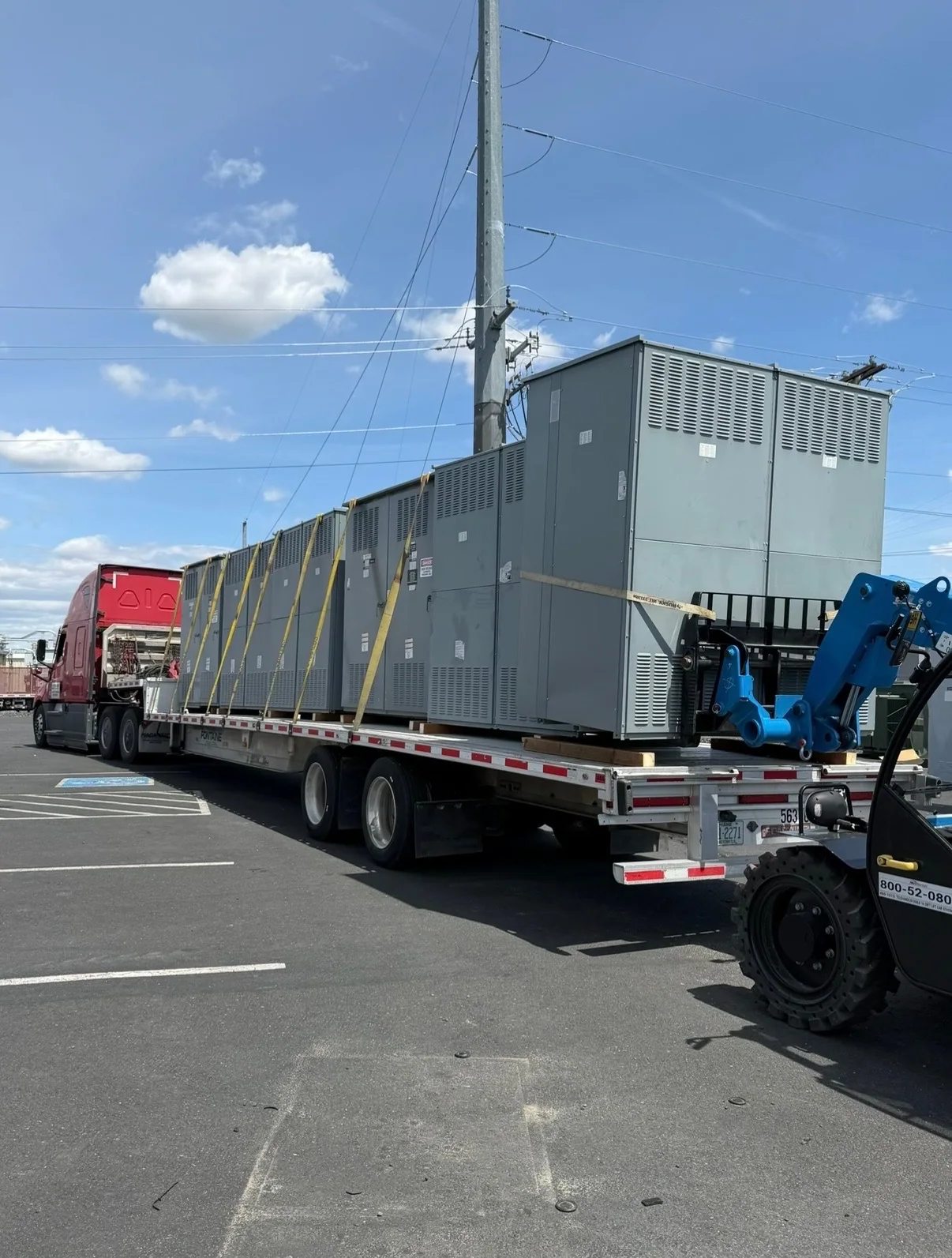
Access information can be as important as the nameplate. Share the site contact, access approvals, loading restrictions, available hours, door and route constraints, floor or mezzanine details, and whether equipment remains installed. The seller authorizes access and coordinates applicable site rules. The buyer arranges qualified, authorized personnel to establish safe conditions and handle agreed electrical isolation and disconnection, coordinated with site and utility approvals, requirements, and safety procedures, as applicable. The buyer also arranges rigging, crane coordination, loading, freight, and hauling. The seller does not need to perform electrical work, test or remove equipment, or pay removal costs.
For a decommissioned data center or shut-down power plant, describe the release boundary carefully. Note whether the lineup remains connected, whether a controlled outage is required, and which party can authorize entry. The buyer coordinates the sequence with site contacts after agreement, including any required site or utility approvals and applicable safety procedures. Confirm staging space, weather protection, lifting access, and the path from the electrical room to loading.
Questions to include with an evaluation request
- Which exact component carries the 400-amp marking, and what full voltage and current wording appears on the exterior label?
- How many vertical sections and buckets are present, and which bucket positions are installed, reserved, stored separately, or unknown?
- Does the existing schedule identify drives, controls, shared circuits, or spare buckets that are not visibly confirmed?
- What covers, doors, connectors, drawings, schedules, and other accessories are included, and what is known to be missing?
- Who owns the equipment, who can authorize release, and what portion must remain in service?
- Is the lineup installed or staged, what visible exterior condition is known, and what access approvals and loading constraints apply?
Send records and exterior views, marking uncertain values unknown. After reviewing the records, exterior views, and release boundary, the buyer may make a cash offer. If the offer is accepted and the parties agree on the equipment and release terms, payment is made upfront before the agreed pickup, and buyer-arranged qualified, authorized personnel manage safe release and transportation.