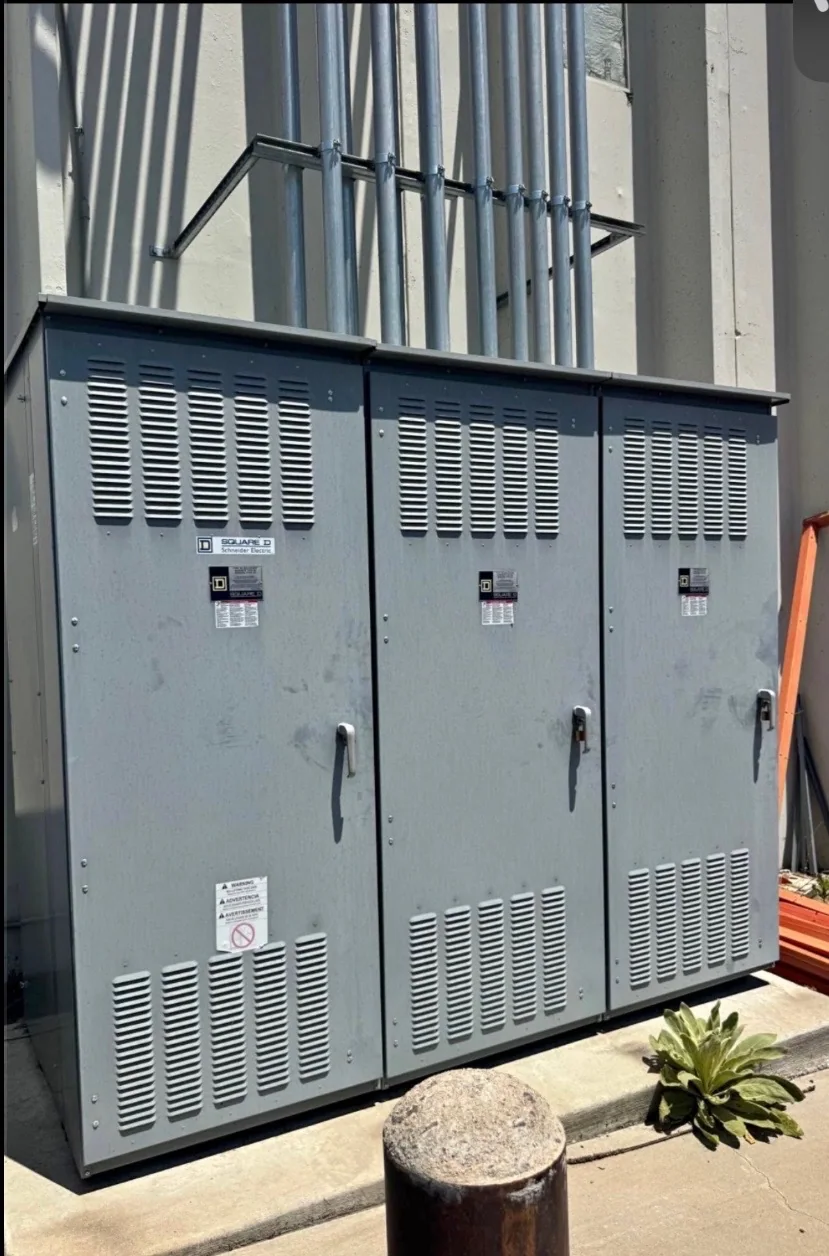
Start with the exact 34,500-volt identification
A 34,500-volt label is an important starting point, not a complete description of a switchgear lot. For an evaluation, copy the full existing voltage marking exactly as shown on the nameplate, drawing, or other available record. Include phase information or multiple voltage values only when documented. A single number cannot establish construction, suitability for a future application, or operating state.
Record the manufacturer name, equipment designation, serial or lineup reference, documented current, frequency, interrupting information, and the number of sections. List incoming devices, outgoing devices, bus-tie equipment, instrument compartments, and separately stored spares. A removable breaker or fuse may be valuable, but its association with a particular section should come from records or visible identification rather than appearance. If an item cannot be matched confidently, mark that relationship as unknown.
Build a useful sample inventory
A practical inventory might describe six indoor lineup sections, the documented 34,500-volt primary marking, one incoming device, four outgoing devices, a tie section, and two stored devices bearing section references. Note each section’s approximate height, width, depth, and weight if those figures already exist in drawings or handling records. List barriers, shutters, control cabinets, relays, grounding equipment, cable terminations, and loose hardware when visibly included or documented. This is a hypothetical example, not a claim about an Ohio installation.
Where a transformer is part of the proposed lot, separate its primary and secondary markings. The transformer primary may show a high-side value while the secondary nameplate shows a different voltage and connection. Report both sides without presenting the secondary as a switchgear rating. Likewise, identify whether the switchgear is connected to a transformer, feeder, or utility interface only when the existing records support that description.
Two hypothetical sale situations
Hypothetical sale A: a decommissioned data center
Imagine a decommissioned data center where a documented 34,500-volt lineup is no longer needed, but the building owner retains nearby transformers and low-voltage distribution. The seller’s useful package would identify the lineup boundary, sections being released, stored incoming or outgoing devices, and equipment excluded. Exterior photographs can show nameplates, doors, labels, visible corrosion, and the surrounding aisle. One-line drawings, schedules, ownership records, and decommissioning documentation can clarify what belongs together. The buyer would coordinate with the owner, facility security, and any authority whose approval governs release.
Hypothetical sale B: a shut-down power plant
Now contrast a shut-down power plant with a larger lineup spread across a switchgear room. Its inventory might include different section dimensions, a bus-tie arrangement, outgoing feeder devices, and spares stored in another room. The sale boundary may exclude equipment feeding retained auxiliary systems, even though the enclosures look adjacent. A plant record could also distinguish transformer primary gear from secondary equipment. Here, room access, floor loading information, outage status, utility approvals, and a clear release authorization may matter more than a simple section count. These are hypothetical situations; no local project, plant, customer, model, price, or compatibility should be inferred from them.
Condition, completeness, and offer factors
Describe condition from safe exterior observation and records. Note enclosure dents, missing covers, labeling quality, water or contamination indications, storage exposure, rust, cracked viewing windows, and whether doors or panels are present. Do not open compartments, operate handles, disturb cables, or test anything. A qualified, authorized team must establish safe conditions and handle disconnection. No seller testing is required for an initial evaluation.
Value depends on more than the 34,500-volt figure. Complete matching sections, documented device associations, credible dimensions, readable nameplates, control components, and protected storage can strengthen an offer. Missing barriers, substitutions, severe corrosion, uncertain ownership, incomplete records, difficult access, or an incomplete lineup can reduce confidence. The buyer considers all voltage classes, so preserve every documented value rather than presenting the lot as one rating. After agreement, payment is made upfront, and the buyer handles qualified disconnects, crane work, rigging, loading, freight, and hauling.
Ownership, approvals, and release planning
Before describing a pickup, confirm who owns the lineup, whether a utility or landlord has an interest, and which sections are retained. A seller should identify the authorized decision-maker, required site and security approvals, release date, outage coordination, and any rules for a contractor or carrier entering the property. Approvals are coordinated with the buyer; they do not shift crane, removal, or hauling costs to the seller. Section dimensions, door clearances, turning space, floor conditions, overhead obstructions, and a viable rigging path help determine the safe plan. The buyer coordinates qualified disconnects and the removal operation rather than asking the seller to dismantle equipment.
Questions to include with your records
- What is the complete documented voltage marking, including phase or multiple values where shown?
- How many lineup sections, incoming devices, outgoing devices, ties, and stored spares are included?
- Which drawings, nameplates, schedules, serial references, and ownership records are available?
- Are transformer primary and secondary markings separately documented?
- What section dimensions, weights, door clearances, floor limits, and rigging access details are known?
- Which utility, landlord, owner, security, or outage approvals must be coordinated before release?
- Can you provide safe exterior photos without opening, operating, touching, or testing the equipment?
These details let the buyer compare the proposed lot with its records, define what is actually available, and plan a controlled release without asking the seller to work on energized or uncertain equipment.