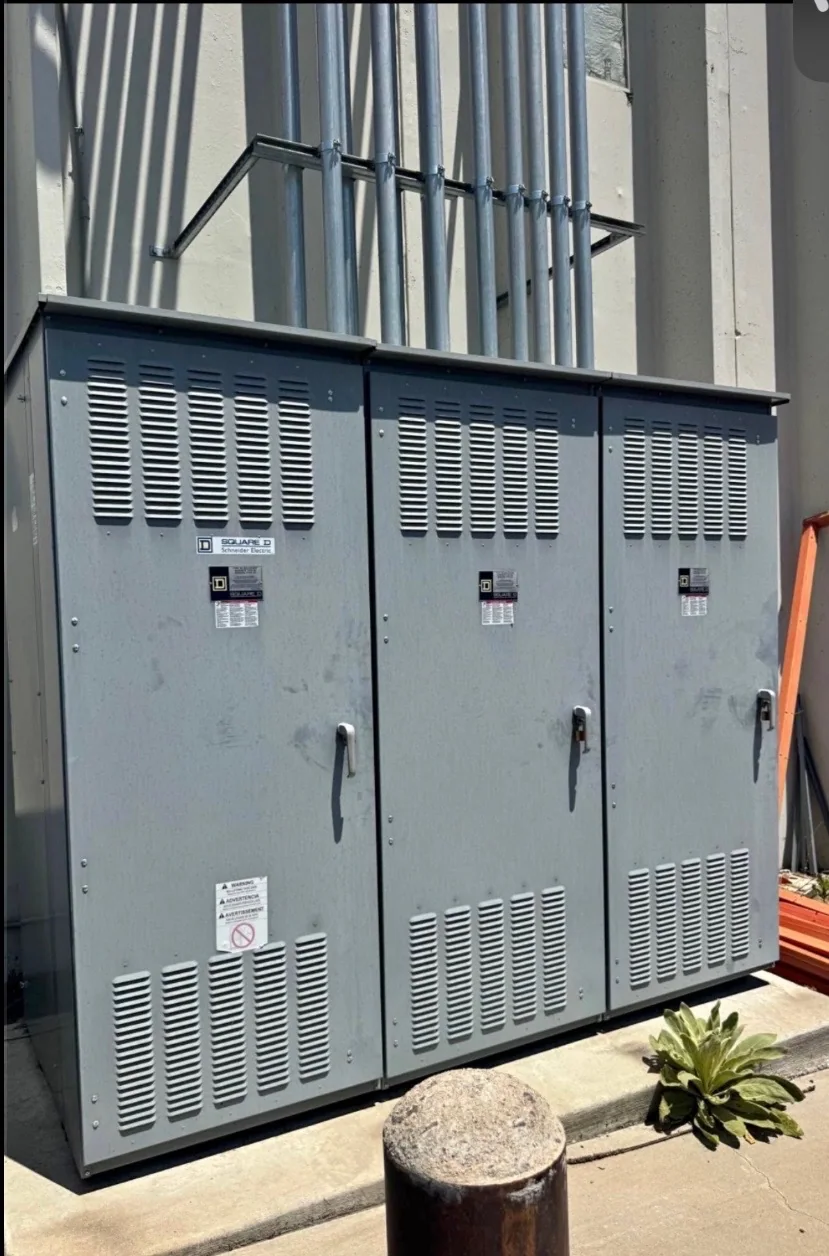
Define the 3,000-amp lot before describing its value
A 3,000-amp label is an important clue, not a complete inventory description. Start by defining the physical lot: which lineup, section numbers, loose devices, covers, transition pieces and documentation are actually offered? The rating may belong to the main bus, service section, incoming device or another component. It should never be copied onto every breaker or feeder simply because those parts sit in the same enclosure. Share visible exterior nameplate wording and existing schedules without opening, operating or testing anything.
For each section, record its lineup position and documented function where known. Useful categories include main, metering and feeder sections. Note whether a section is installed, stored nearby or retained on site. If a schedule says “3,000 A” but does not identify the rated component, leave that point unresolved. Apply the same discipline to voltage class, phase information, manufacturer, series and date codes: use labels or records, and mark unknown values as unknown.
Separate current, interruption and trip information
Several electrical terms can appear together while describing different characteristics. Continuous current concerns how much current an assembly or device is designed to carry under stated conditions. An interrupting rating concerns fault current a protective device can interrupt. A trip setting describes a protection adjustment, not bus ampacity or interrupting capability. Transcribe each value from the relevant label, schedule or approved record rather than inferring it from enclosure size.
Hypothetical inventory example: one lineup with an exterior label documenting a 3,000-amp main-bus designation; one identified main device; four feeder compartments shown on the schedule; two feeder devices visibly present; two positions empty; metering section present; and three loose breakers of uncertain association. That is more useful than calling the entire lot a complete 3,000-amp switchboard. If records and visible equipment disagree, identify the discrepancy.
Show completeness, retained sections and condition
Completeness affects whether the lot can be evaluated as an assembly, as sections or as individual components. List installed main and feeder devices separately, then list spare or loose devices with tags and any documented section association. Count doors, barriers, covers, compartment hardware and metering components when records identify them. Disclose missing devices, missing covers, bent doors, corrosion, water marks, exterior-visible damage, fire exposure, contamination and unknown storage history. Do not imply that a missing item is interchangeable with another model.
Sections retained on site need a clear boundary. For example, a hypothetical facility changeout may release the incoming section and two feeder sections while retaining a metering section and an active feeder. Name the released sections instead of relying on a photograph of the full lineup. Include the owner responsible for retained equipment and intended release date if known. Qualified, authorized personnel must establish safe conditions; the seller need not test or demonstrate operation.
Information that supports a potential offer
Valuation reflects more than the 3,000-amp figure. Relevant factors include documented voltage, manufacturer and series, section count, device identity, completeness, age or date information, visible condition, whether loose parts match the lineup, and whether equipment is installed or staged. Drawings, one-line diagrams, equipment schedules, prior purchase records and decommissioning lists can clarify what is present, especially when an assembly nameplate is clear but feeder labels are worn.
Ownership must be established before an offer is finalized. Identify the owner, any landlord or tenant interest, utility-controlled boundaries, liens or project restrictions, and release authority. Equipment from decommissioned data centers and shut-down power plants may be considered, but source facility, industry and history should be stated accurately. After reviewing the lot, the buyer can make a cash offer; once the seller accepts and the sale is agreed, payment is made upfront before the agreed pickup, and evaluation does not depend on seller testing.
Access, staging and freight planning
Loading conditions can change the practical value of a large switchboard. Describe the route to the loading point: door clearances, turns, stairs or lifts, floor changes, dock or ground access, overhead restrictions, and whether other operations limit the route. Include documented section dimensions and weights only when available, and identify uncertain measurements. Note loading-hour rules, security procedures, escort needs, outage coordination and the site contact who can approve access.
The buyer handles qualified disconnects, crane coordination, rigging, loading, freight and hauling. The seller should not dismantle equipment, move sections or make energized conditions safe. Access approvals, outage windows and retained boundaries are coordination items so removal can proceed safely; they do not shift crane, rigging or hauling work to the seller. Discuss staging, weather exposure, packaging and release sequence without asking anyone to touch energized equipment.
Seller questions for a precise review
- Which exact component or assembly carries the documented 3,000-amp rating?
- What voltage and current wording appears on the main, metering and feeder labels?
- How many sections and devices are included, and which are missing, loose, stored or retained?
- Do schedules, drawings or one-line diagrams identify feeder positions and spare-device associations?
- Who owns the lot and can authorize release, isolation coordination and site access?
- What condition, contamination, water exposure or storage history is known from records?
- What are the documented dimensions, weights, route restrictions, loading hours and staging arrangements?
Safe exterior photographs of labels, section fronts, stored parts and the access route can supplement records. Leave concealed condition, compatibility and unverified ratings open until qualified personnel review the information. With a defined lot boundary and an honest account of what remains in service, an Ohio 3,000-amp switchboard inquiry can be evaluated without unsafe handling or unsupported assumptions.