Start with the rating, not the cabinet size
A 1,600-amp label can describe a bus, a main device, a service section, or another part of a switchboard. It should not be assigned to every breaker merely because the lineup is large. Begin with exterior evidence: the assembly nameplate, section labels, one-line schedule, equipment schedule, or owner-held records. Record the manufacturer, identification number, documented voltage, current wording, and section designation exactly as shown. If a value is unreadable or absent, mark it unknown rather than estimating.
The same discipline applies to electrical terms. Continuous current, interrupting rating, and trip settings answer different questions. A 1,600-amp bus rating does not prove that each feeder device is 1,600 amp, that every device has the same interrupting rating, or that any trip unit is set to a particular value. The buyer considers all voltage classes, but a useful evaluation depends on documented values rather than assumptions.
Identify the complete service and distribution lot
Map the switchboard from left to right or by the existing drawing: service or main section, metering section where documented, and each feeder section. Note section count, visible device labels, legible bus or neutral information, and the proposed sale boundary. A complete service and distribution section may be more useful than an isolated enclosure, while a partial lineup can still be considered when its boundary is clear.
Inventory the actual components. List the main device, feeder devices, metering equipment, covers, barriers, doors, trim, bus connections, control parts, and separately stored pieces. Disclose missing breakers, shutters, covers, hardware, nameplates, or documentation. Do not call a loose breaker part of the switchboard unless existing records or a clear section association support that conclusion. Likewise, identify equipment that must remain in service and exclude it from the proposed lot.
Use a documented inventory example
Hypothetical example: an owner reports a three-section switchboard with an exterior label stating 1,600 amps, one documented main section, one metering section, and one feeder section. The inventory lists the main device, four feeder devices with their own visible markings, installed covers, and two stored devices whose original positions are unknown. The owner supplies a schedule but cannot confirm the interrupting ratings or trip settings. A responsible submission would preserve those unknowns, distinguish installed from stored equipment, and identify the two loose devices as unverified rather than promising a complete lineup.
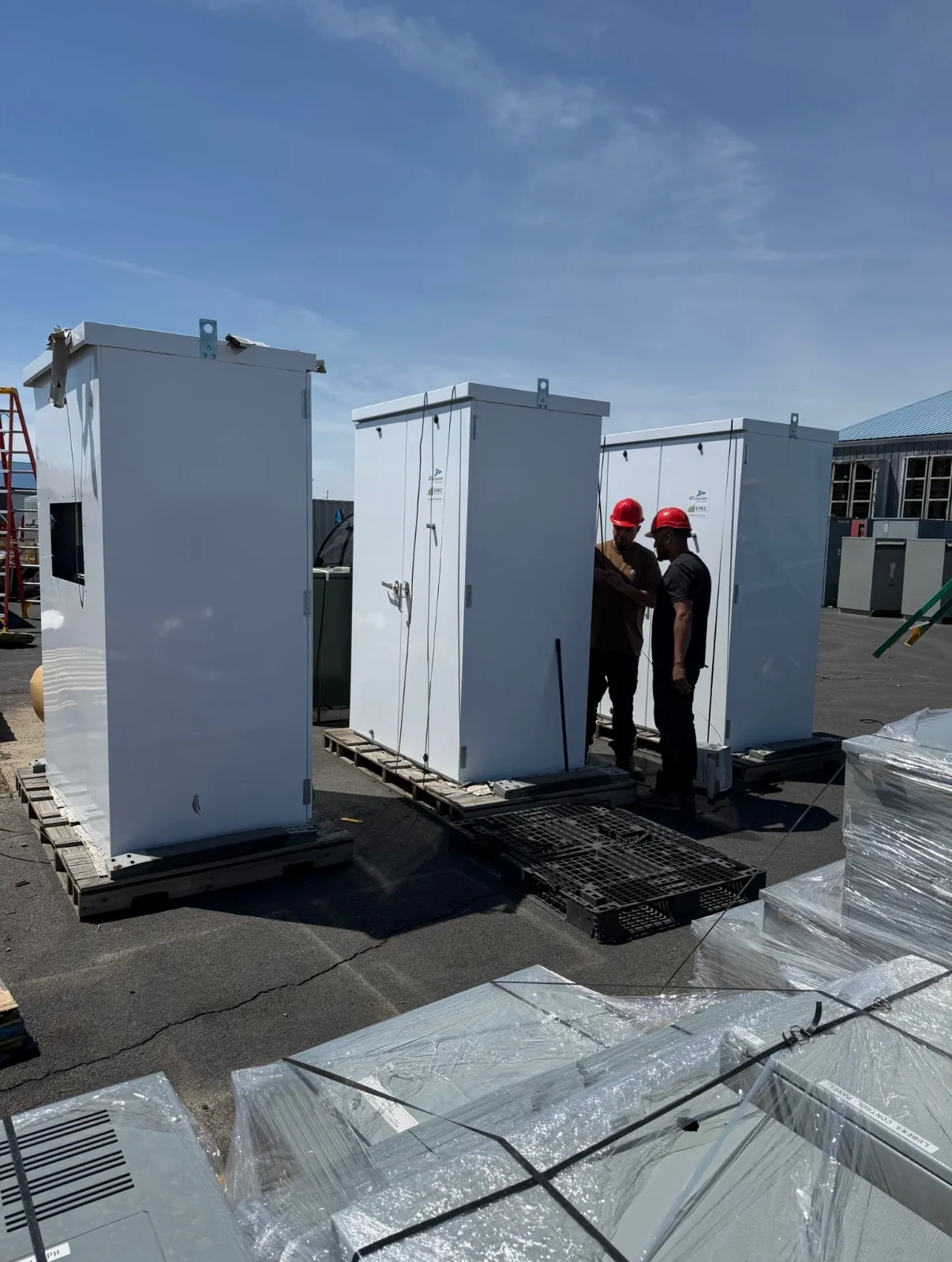
That format gives the buyer something concrete without asking the seller to open compartments, operate devices, dismantle anything, or test equipment. Safe exterior photographs may show labels, doors, section order, storage packaging, and visible damage. Existing schedules and records are useful when shared by an authorized party.
Describe condition and completeness honestly
Condition is more than whether paint looks intact. Note corrosion, dents, water staining, impact marks, missing trim, damaged doors, storage dust, packaging quality, and known contamination. Describe what is visible without inferring internal condition. Say whether the board is installed or stored; if the environment or service history is unknown, say so. A seller does not need to test for an evaluation.
Completeness affects value. A lineup with its identified main, metering, feeders, covers, barriers, and matching records is easier to define than a cabinet with unidentified loose parts. Missing devices or uncertain ownership can reduce confidence even when the main label shows 1,600 amps. The buyer can consider surplus from decommissioned data centers and shut-down power plants, subject to documentation and release review; no local project or compatibility should be presumed.
Understand what shapes a potential offer
A potential cash offer is influenced by verified ratings, voltage, manufacturer information, section count, device mix, completeness, visible condition, ownership, and the cost and complexity of handling the lot. The proposed boundary matters: a full service-to-feeder assembly is different from a main section with retained metering or feeders that cannot be released. Stored spares may add value when their association is documented, but unknown matches are not treated as confirmed.
Timing and access matter. Tell the buyer the release window, whether the building or plant is active, and who controls approvals. Share loading constraints, doorway or travel-path information, floor restrictions, and known staging space. These are coordination details, not a request for the seller to remove equipment. The buyer handles crane needs, qualified disconnects, rigging, loading, freight, and hauling after agreement and authorization.
Release the equipment safely and clearly
Before any release, confirm ownership and the authorized decision-maker. A tenant, landlord, utility, lender, or decommissioning contractor may have different interests, so the seller should identify the actual owner and any retained boundary. Provide the agreed lot description, known records, release date, site contact, access approvals, and any restrictions or hazards already reported. Unknown conditions should remain identified as unknown.
Qualified, authorized personnel establish safe conditions, isolation, disconnection, rigging, loading, and removal. The seller need not operate, open, touch, dismantle, or test the switchboard. After reviewing the equipment and release conditions, the buyer can provide a cash offer; once the seller accepts and the sale is agreed, payment is made upfront before the agreed pickup, while pickup planning proceeds through the approved site contacts. To begin, ask yourself: Which component carries the 1,600-amp rating? Which main, metering, and feeder sections are included? What is missing? Who owns each item? Where is it staged? What records and safe exterior labels can be shared? Clear answers make the evaluation more useful without inventing facts.