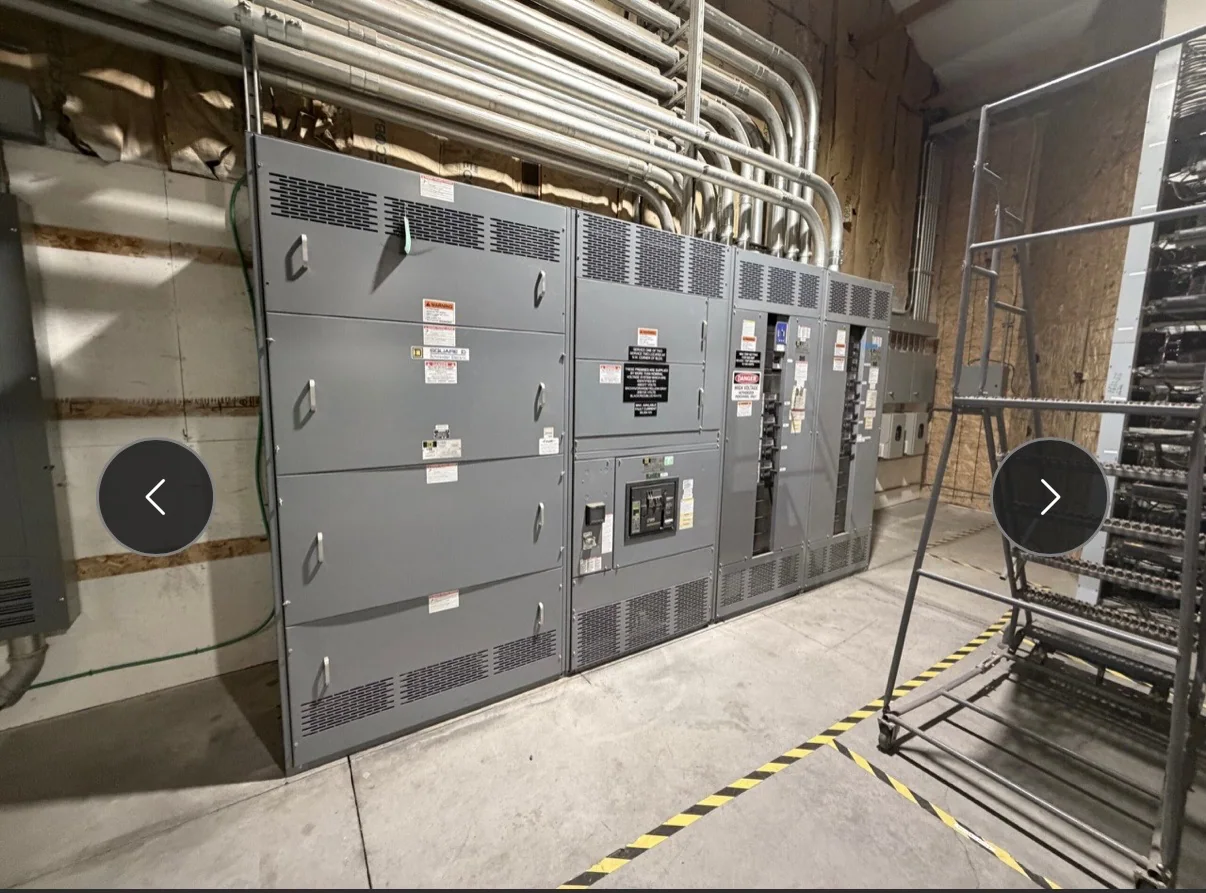
Start with the marked equipment, not an assumption
A Cutler-Hammer marking starts an evaluation, but does not prove affiliation, authorization, compatibility, price, or condition. In a hypothetical Ohio changeout, begin by separating the old lineup being considered for release from the service equipment, feeder sections, controls, or protection that the facility will retain. The proposed sale may be a complete lineup, selected sections, loose removable devices, or a mixture of installed and stored material. The exact boundary is an ownership and project question, not something to infer from appearance.
Use available one-line drawings, equipment schedules, changeout scopes, nameplate records, and receiving documents. Safe exterior photos can show labels, section identifiers, breaker fronts, shipping tags, and damage. Do not open compartments, operate devices, touch equipment, or test anything for the evaluation. Unknown information should remain identified as unknown rather than being filled in from a similar-looking Cutler-Hammer assembly.
Build identification and documentation that can be checked
Record the marking exactly as it appears on each relevant item, including punctuation and any visible series, type, voltage, current, interrupting, or enclosure wording. Keep the assembly label separate from each device label. A lineup may have one documented bus or assembly rating while individual breakers, switches, or protective devices carry different ratings. Do not use a breaker marking to describe the whole lineup, and do not infer a voltage class from cabinet size or color.
- List every section in order, with its visible identifier and whether it is part of the old lineup or retained service.
- List main and feeder positions separately, noting whether a removable device is installed, stored nearby, or not located.
- Match loose breakers, trip units, covers, control components, keys, and hardware to a documented section only when the records support that match.
- Note the source of each fact: nameplate, drawing, inventory sheet, exterior photograph, or seller statement.
Records may use a project name rather than the brand marking; explain the relationship. If a drawing conflicts with a photograph, preserve both and flag the discrepancy.
Check completeness and condition before discussing value
Changeout value depends on an identifiable, coherent lot. Count sections, installed devices, separately stored devices, doors, barriers, covers, control wiring visible from the exterior, and documented accessories. A lineup missing a feeder breaker is different from a lineup with an unidentified loose breaker. A complete-looking enclosure does not establish that internal components are present or serviceable.
Describe condition without performing a technical inspection. Safe exterior observations can include dirt, corrosion, dents, water staining, missing covers, damaged handles, cut or exposed external wiring, labeling quality, packaging, and evidence of long-term storage. State whether the equipment is installed, staged, or stored, and whether the storage environment is known. Do not claim that a device operates, passes testing, or fits another section. The buyer does not require the seller to test the equipment.
How the potential offer is shaped
A potential cash offer reflects verified identity, documented ratings, section count, completeness, condition, ownership clarity, and the proportion releasable together. Removable devices and matching accessories may add usefulness when their association is documented; unidentified items may be valued more cautiously. A clear boundary between the old lineup and retained service also reduces uncertainty. Timing matters, but no price, acceptance, or timeline should be promised before review.
For example, a hypothetical inventory might show six Cutler-Hammer-marked sections in an old indoor lineup, four installed feeder devices, one separately stored device with a matching section reference, two unlabeled covers, and a drawing that identifies one retained main section. That description supports questions about whether five sections are actually available; it does not establish compatibility, completeness, or value.
Use a practical inventory checklist
- Assembly: exact visible marking, section sequence, documented voltage and current, and available drawings.
- Devices: main and feeder positions, device markings, quantities, stored locations, and documented section associations.
- Included material: covers, barriers, trip or control components, keys, hardware, crates, and records.
- Condition: exterior damage, corrosion, moisture evidence, packaging, missing parts, and any known contamination disclosed by the owner.
- Boundary: equipment included, equipment retained, ownership authority, and any utility or landlord limitation.
- Release: authorized date, outage or removal window, access contact, route constraints, and loading requirements.
Plan access, safe release, and payment
Once described, coordinate the practical release. Share the room or yard location, doorway and corridor constraints, floor or staging limitations, operating-hour restrictions, security or access approvals, and the route from the lineup to the loading point. These approvals coordinate access; removal costs remain with the buyer. The buyer handles qualified disconnects, crane or other lifting arrangements, rigging, loading, freight, and hauling. The seller should not dismantle, move, or prepare energized equipment.
Qualified, authorized personnel must establish safe conditions and handle isolation and removal. The seller can provide records and safe exterior photos, identify the responsible owner, and confirm when access is permitted. After agreement on the offered lot and release terms, the buyer provides the agreed cash payment upfront. Preserve the documented boundary so retained service is not confused with changeout equipment. If a label, ownership fact, condition detail, or access requirement cannot be verified, record it plainly and let the evaluation account for that uncertainty.