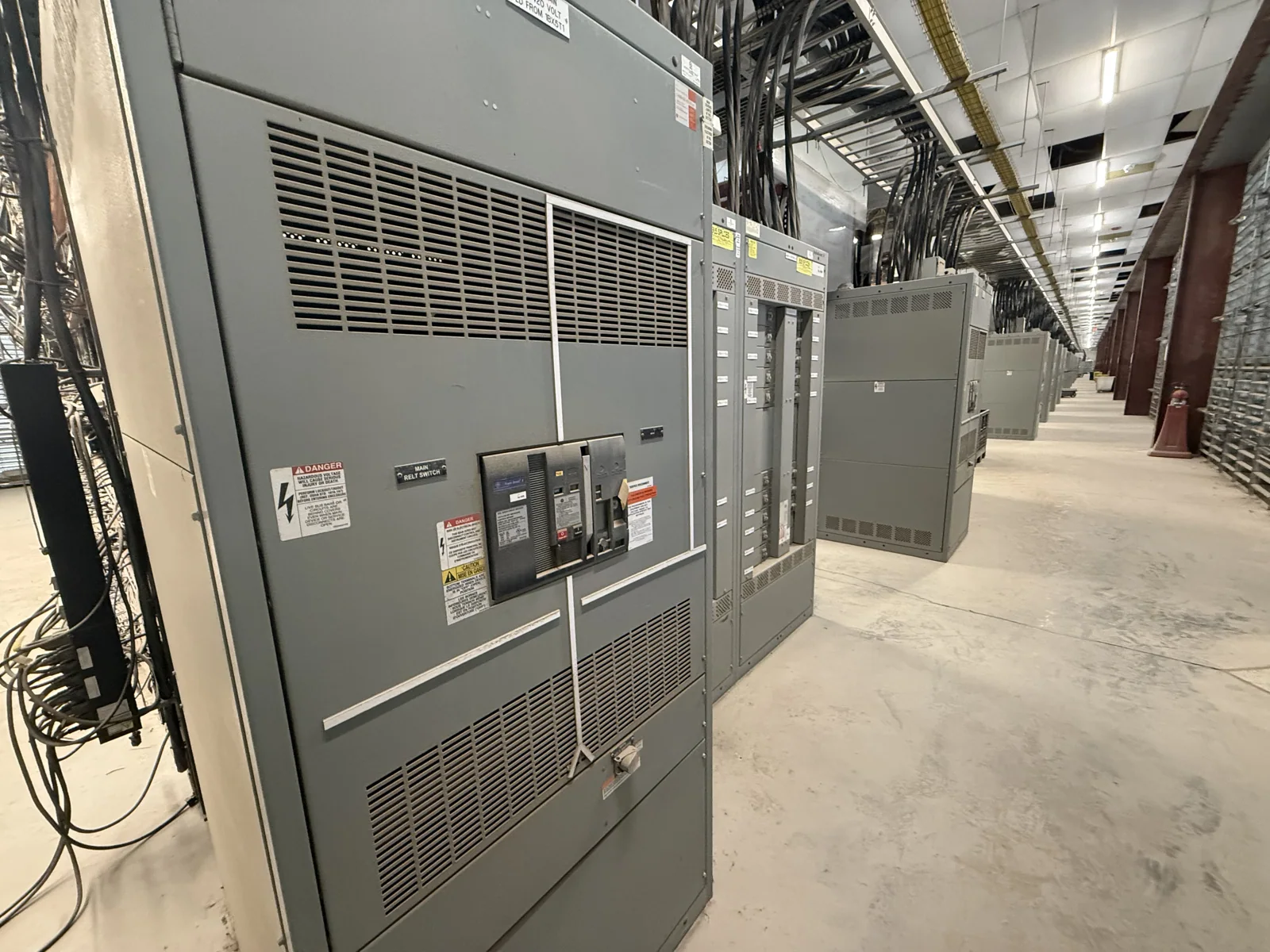
Define the Perrysburg busway lot before discussing value
For a surplus busway opportunity in Perrysburg, Ohio, the first question is not how many pieces are in a warehouse. It is what physical lot can actually be released. Existing records identify Perrysburg with Wood County, but do not establish a particular facility, project, owner, or pickup address. A boundary matters whether material came from a decommissioned data center, a shut-down power plant, an industrial changeout, or ordinary storage. Identify the owner or authorized seller, the building or room, and whether the sale includes only stored busway or related supports and accessories.
Inventory busway by part type rather than one combined count. Separate straight lengths, elbows, tees or other direction changes, splice or joint assemblies, end pieces, hanger hardware, and tap-off units or tap boxes. Record each quantity and preserve crate, pallet, shelf, or bundle identity. Note whether a “miscellaneous fittings” box is identified, mixed, sealed, or unknown.
Use labels and documents to identify the physical equipment
Look for safely visible exterior nameplates, tags, shipping labels, packing lists, purchase records, drawings, and removal inventories. If a series, manufacturer, voltage, ampere rating, phase arrangement, or enclosure description is documented, transcribe it exactly and distinguish it from an estimate. The buyer considers busway across voltage classes, but voltage and current must come from records or visible labels, not appearance or assumption.
Compatibility is a lot-definition issue. Do not combine straight sections from one system with elbows, joints, or tap boxes from another because dimensions look similar. Keep each identified series together, and mark an item unknown when its series or association cannot be established. List a tap box separately from its possible straight run; identify the record supporting any unconfirmed match.
Hypothetical stored-lot example
Hypothetical example: A stored lot might contain twelve labeled straight sections, two elbows in a separate crate, six tap boxes on a pallet, and three cartons of joints and hardware. A useful inventory would give the visible label information for the straight sections, count each elbow and tap box separately, describe the cartons as sealed or opened, and state that compatibility between the cartons and the labeled sections is unconfirmed unless documents establish it. This is an example of documentation, not a claim about a Perrysburg site.
Describe completeness, condition, and packaging without handling hazards
For each package or loose item, describe whether covers, joint kits, end caps, tap-off covers, mounting hardware, and hangers are present, missing, or unverified. Note crushed crates, bent housings, corrosion, water marks, dirt, oil or chemical exposure, torn wrapping, and unreadable labels. State what is visible from outside. Do not open enclosures, operate devices, dismantle anything, or touch energized equipment; a qualified, authorized team must establish safe conditions and handle disconnection.
The buyer does not require the seller to test the equipment. Existing inspection reports or records may be shared when available, but no seller testing should be undertaken for this inquiry.
What can affect an offer
Valuation can reflect documented voltage class, current rating, manufacturer and series, straight footage or section count, fitting mix, tap-off quantity, completeness, condition, packaging, and legal availability. It also reflects whether the material is one coherent system or several unidentified systems. A few matching elbows may matter more than many incompatible straight lengths. The buyer evaluates all voltage classes, so do not omit an item because it differs from the rest.
Ownership and release authority are equally important. If a landlord, utility, tenant, lender, contractor, or another asset owner has an interest, identify the approval needed before acceptance. Separate busway that must remain in service from busway designated for disposal. A proposed release date is useful, but it should not be treated as confirmed until the authorized parties agree.
Coordinate safe release, access, and freight
Share access rules affecting coordination: required escorts, loading-hour limits, security approvals, dock or gate procedures, floor or ceiling restrictions, pallet dimensions, and whether a crane or lifting plan is needed. Describe the route from storage to loading, including stairs, narrow doors, overhead clearance, and surfaces, only from existing site knowledge. The buyer coordinates qualified disconnects, rigging, crane work, loading, freight, and hauling; the seller is not asked to remove, dismantle, or prepare energized equipment. Access approvals are coordinated with the seller and site owner, not treated as a transfer of removal costs.
Before release, provide a list of what is included, what remains, who can authorize access, and which records accompany the lot. A cash offer can be considered once the equipment, ownership, condition, and logistics are defined and the lot is reviewed. Once the seller accepts and the sale is agreed, payment is made upfront before the agreed pickup, subject to the agreed scope and release arrangements.
Useful records and seller questions
- What manufacturer, series, voltage, current, and section information appears on safely visible labels or existing documents?
- How many straight lengths, elbows, joints, tap boxes, end pieces, hangers, and accessory packages are included?
- Which items are packaged together, and are any cartons mixed, opened, damaged, or unidentified?
- Is the lot owned and authorized for release, and what equipment must remain in service?
- What are the known storage conditions, visible damage, contamination concerns, and access approvals?
- Who can coordinate site access and confirm the authorized release window?
Safe exterior photos, label photos taken without opening or touching equipment, packing lists, drawings, and an itemized count are a strong starting package. Unknowns can be stated plainly; precise uncertainty is more useful than an assumed fit or rating.