Start with a clear busway identity
For a surplus busway evaluation in Marysville, Ohio, begin with what can be established without disturbing the installation. Existing location records place Marysville in Union County, but the exact facility, owner, and release authority remain facts for the seller to confirm. Busway is more than a row of similar-looking metal enclosures: a useful inventory separates straight lengths, elbows, joints, and tap-off units. Record the quantity of each type, approximate length of every straight section, and any orientation or end detail shown on an existing schedule.
Use the visible nameplate or label wording exactly where it is legible. The series, manufacturer, voltage, ampere rating, phase or conductor information, enclosure designation, and any catalog or section marking can materially improve identification. Do not infer a voltage class from appearance, and do not assume that a familiar brand makes every component interchangeable. The buyer considers electrical equipment across voltage classes, but a documented rating is still needed to value a specific lot. Safe exterior photographs of labels and installed surfaces are welcome; the seller should not open, operate, dismantle, touch energized equipment, or test anything.
Build the lot from parts, not a single count
A complete-looking run may have more value than an unstructured pile, while a short run can still be useful if its fittings and labels are understood. List straight pieces separately from elbows, tees if present, end closures, joints, flanges, supports, and tap-off units. For each tap-off, note its visible label, device description, rating if documented, and whether it is physically included with the lot. Count hangers and hardware only when they are actually present; do not represent expected accessories as included.
Hypothetical example: an overhead replacement might release 18 documented straight lengths, two elbows, 17 joints, four tap-off units, and a group of hangers. That example is not a claim about a Marysville project. A seller could make it useful by identifying which pieces belong to the same run, giving measured or recorded lengths, and marking unknown items as unknown. A drawing, bill of material, maintenance schedule, or decommissioning list can help reconcile the paper count with visible equipment. Mixed series, missing joint covers, unidentified tap boxes, and loose parts should be listed rather than quietly pooled together.
Describe condition and compatibility honestly
Condition affects both usability and handling. Note visible dents, bent housings, corrosion, heat discoloration, water exposure, damaged joint areas, missing covers, cut conductors, altered tap-off hardware, and packaging that has failed. State whether a piece is installed overhead, staged on a pallet, or stored loose. Do not promise that a busway section can be reused merely because its dimensions appear similar. Components from different systems may not mate, carry the same rating, or share the same joint design.
Documentation should distinguish an original label from a later inventory tag and should identify any gap between the record and the observed exterior. If a run has been modified, flag that history without attempting an inspection. The buyer can evaluate the disclosed condition and records; the seller is not expected to perform electrical testing. Ownership matters as much as appearance, especially where a building owner, tenant, contractor, utility, or lender may have a claim. Confirm that the offered equipment is authorized for sale and identify anything retained for ongoing service.
Let access and freight shape the offer
Valuation can reflect documented voltage and current ratings, recognizable series, compatible quantities, run length, tap-off demand, fitting availability, condition, completeness, storage protection, and the cost of specialized handling. It can also reflect uncertainty: missing labels, mixed systems, incomplete records, or an unclear lot boundary may require a more cautious offer.
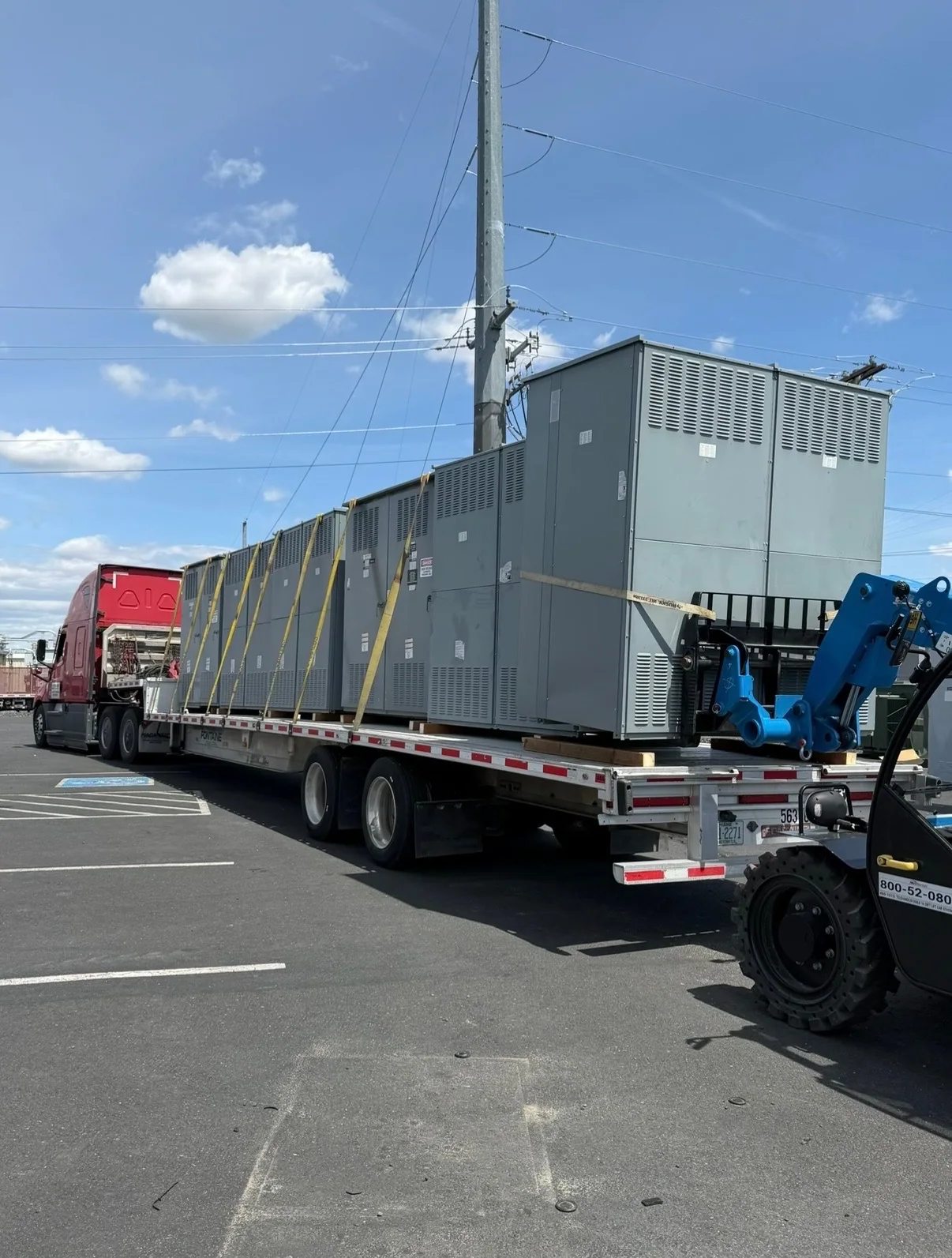
Describe the actual route from the equipment to the loading point without asking the seller to dismantle anything. Useful facts include ceiling height, obstructions, doors, dock or ground-level access, aisle width, floor or roof restrictions, staging space, permitted loading hours, and any access approval or escort requirement. For an overhead replacement, identify the documented ceiling access and the planned release window, while leaving safe disconnection to a qualified, authorized team. The buyer coordinates qualified disconnects, crane service, rigging, loading, freight, and hauling; the seller does not need to arrange or pay for those removal activities. Access approvals are coordinated with the responsible site parties rather than treated as a transfer of removal cost.
Move from agreement to safe release
Questions that close the information gap
- What manufacturer, series, voltage, ampere rating, and identifying labels are visible or documented?
- How many straight lengths, elbows, joints, tap-off units, hangers, covers, and loose accessories are actually included?
- Which pieces are installed, stored, retained, damaged, or of unknown association?
- Who owns the equipment, who can authorize release, and what site approvals or dates govern access?
- Are drawings, schedules, photographs, storage notes, or decommissioning records available?
After the buyer reviews the information, the seller can clarify the proposed lot boundary and any exclusions. With that information, the business can provide a cash offer; once the seller accepts and the transaction terms are agreed, payment is made upfront before the agreed pickup. Release should then be coordinated with the authorized site contact. The seller should not energize, test, open, or remove the busway. A qualified team establishes safe conditions and manages disconnecting, rigging, loading, freight, and hauling, allowing the Marysville seller to provide accurate records and exterior views while the buyer handles the physical transition.