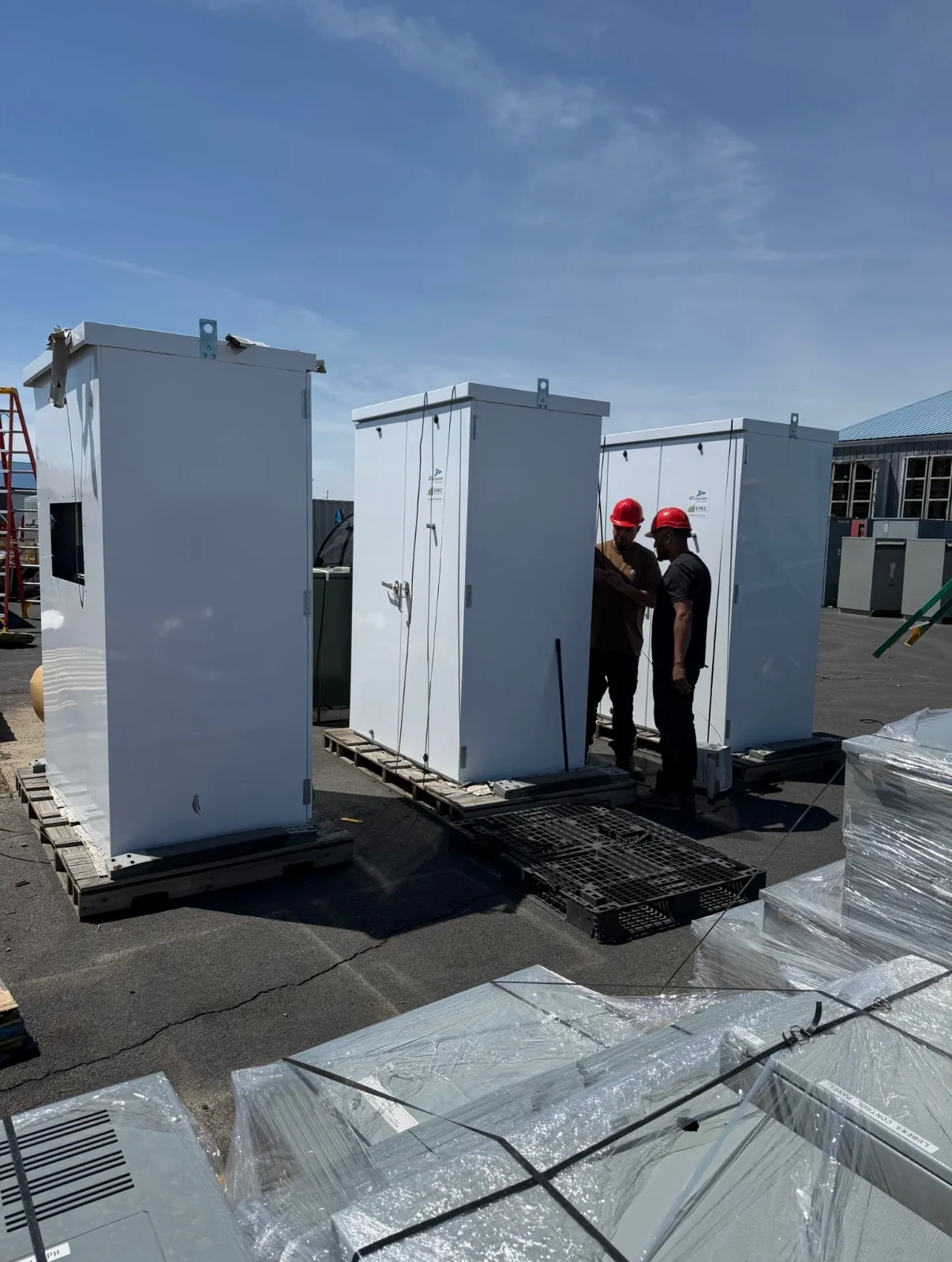
When a data center closure releases electrical equipment, a unit substation should be described as a complete, bounded lot rather than as one anonymous transformer. Start with the documented relationship between the primary switching section, transformer, and secondary distribution section. This is a hypothetical Ohio facility, not a claim about a local project. The buyer evaluates equipment across voltage classes when ownership, condition, ratings, and release terms are clear.
Define what the unit substation includes
Inventory the physical sections separately. A typical lot may contain primary switchgear or fused switching, a dry-type or liquid-filled transformer, and a low-voltage switchboard or distribution section. It may also include transition compartments, bus connections, protective devices, control wiring, neutral equipment, and loose accessories. Do not assume that an adjacent lineup, spare transformer, remote distribution panel, or cable termination belongs to the same sale. Mark each item as included, excluded, or unknown.
Record the documented primary rating and documented secondary rating exactly as shown on nameplates, schedules, or drawings. Voltage, phase, frequency, kVA, current, impedance, insulation level, interrupting rating, and enclosure information can apply to different sections and should not be blended together. A breaker rating is not automatically the rating of the assembly, and a transformer nameplate does not establish the rating of connected switchgear. If a value is unreadable or absent, report it as unknown instead of estimating from size or appearance.
Build a complete, traceable inventory
For each transformer, capture manufacturer, serial or asset identifier, type, kVA, primary and secondary voltage, cooling information, fluid designation if applicable, and stated weight. For switching and distribution sections, list labels, devices, documented frame or trip information, bus rating, main and feeder quantities, and removable devices stored separately. Note whether barriers, covers, shipping splits, hardware, cable compartments, neutral assemblies, and controls are present. A clean section count is more useful than saying the lineup is “complete.”
Hypothetical example: a closure package might contain one documented liquid-filled transformer, one primary switching section, three secondary distribution sections, two stored feeder devices, and a pallet of identified covers. The package should say whether the stored devices match those sections, whether the pallet is part of the sale, and which neighboring gear remains with the building. This is an example format, not a claim about an Ohio facility.
Document condition without unsafe activity
Existing records and safe exterior photographs can show nameplates, labels, doors, paint, gaskets, corrosion, impact marks, packaging, and water intrusion. Disclose known fluid leaks, staining, damaged bushings, cracked insulators, contamination, fire or flood exposure, and missing panels. Keep environmental information factual; do not sample, open, operate, or assume a fluid.
The seller does not need to test the equipment. Do not open compartments, remove covers, approach energized parts, or perform seller-operated measurements. Qualified, authorized personnel establish safe conditions and handle any required disconnection. If a transformer has been stored outdoors or a lineup has sat in a partially conditioned room, state the storage history and protection from weather when known. Unknown history is preferable to an unsupported assurance.
Separate ownership and release boundaries
Data centers can involve an owner, tenant, landlord, electrical contractor, equipment lessor, or utility interface. Confirm who owns each transformer, switchgear section, spare, and control cabinet. A tenant’s decommissioning plan does not by itself authorize removal of landlord-owned service equipment or utility-owned primary assets. Identify retained equipment, live neighboring systems, easements, and any section needed for another tenant or building load. Drawings and photos should be redacted to remove security-sensitive layouts, access credentials, network information, and other operational details before sharing.
Describe milestones in writing: shutdown approval, outage or isolation window, decommissioning completion, owner sign-off, and the date the lot may be released. The buyer can coordinate access approvals with the authorized site contact. That coordination is not a request for the seller to perform removal or to absorb crane, qualified disconnect, rigging, loading, freight, or hauling work; the buyer handles those activities through qualified resources after agreement.
What influences an evaluation
Offer considerations include rating accuracy, manufacturer and serial data, section-to-device completeness, transformer type and fluid disclosure, condition, storage, contamination or damage, ownership clarity, and safe-access complexity. Dimensions, weight, door widths, floor limits, turning space, dock details, obstructions, and crane reach establish a practical release plan. A large unit may need a planned lift and specialized haul route; a sectional lineup may require sequencing around retained systems.
Questions to answer before release
- What are the documented primary and secondary voltage, kVA, current, and interrupting ratings for each section?
- Which transformer, switching sections, distribution sections, spares, covers, and accessories are included?
- Who owns the equipment and who can authorize release, outage coordination, and site access?
- What condition, fluid, environmental, fire, water, or storage issues are known?
- Which equipment must remain, and what milestone establishes the sale boundary?
- What are the approximate dimensions, weights, travel paths, loading points, access restrictions, and approval requirements?
With those answers, a data-center closure becomes a defined electrical-equipment lot rather than an uncertain teardown. Share records and safe exterior views only, identify every unknown, and let authorized professionals establish safe conditions. After the parties agree, the buyer can arrange the qualified disconnects, rigging, loading, freight, and hauling needed to release the documented unit substation.